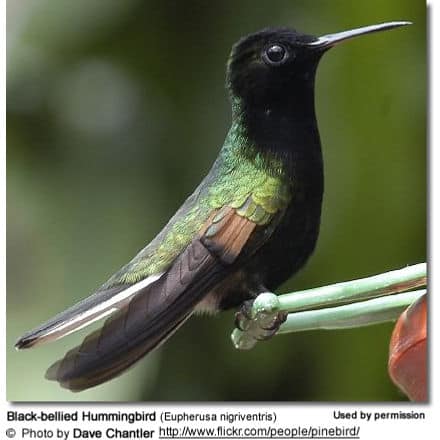
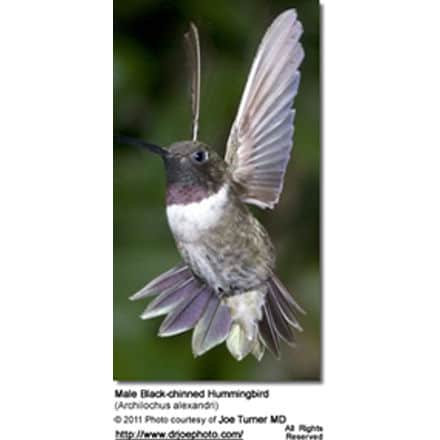
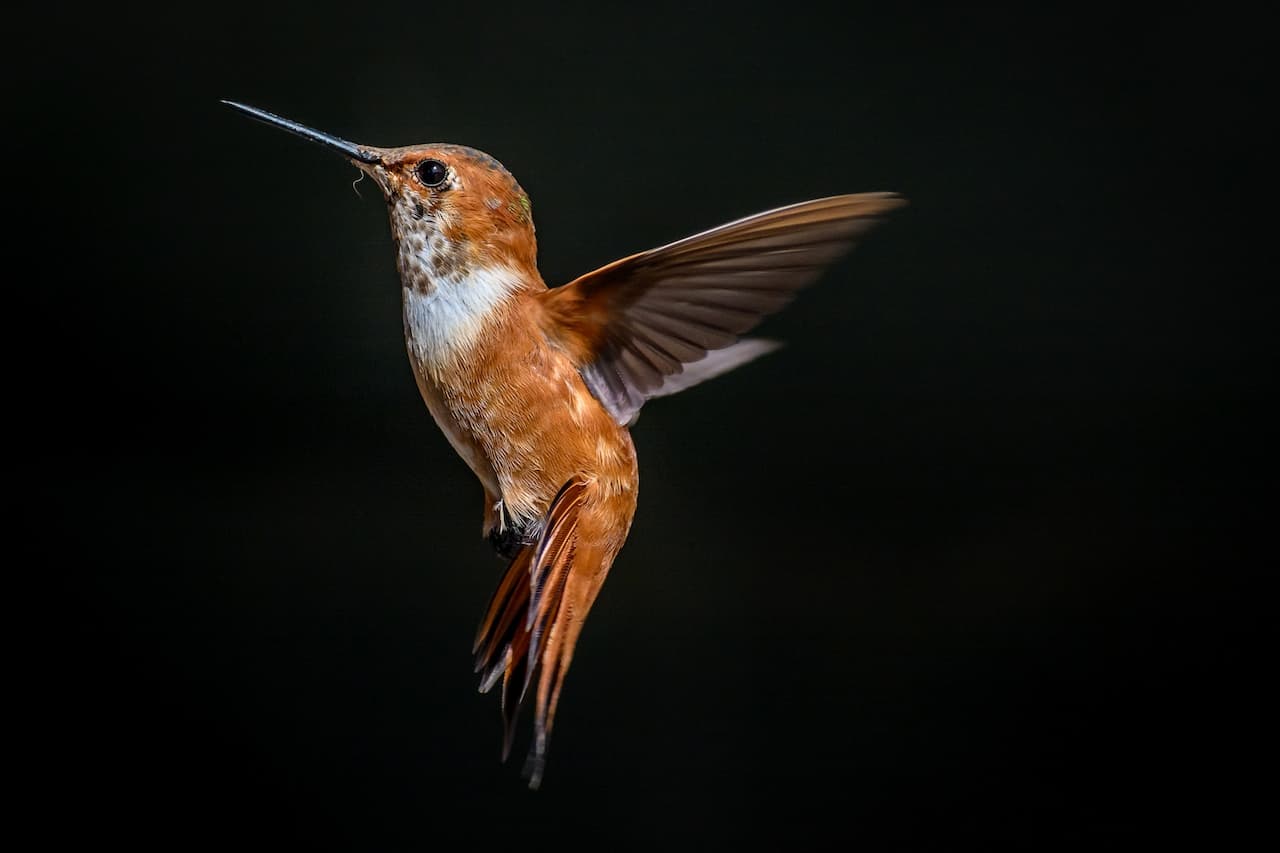
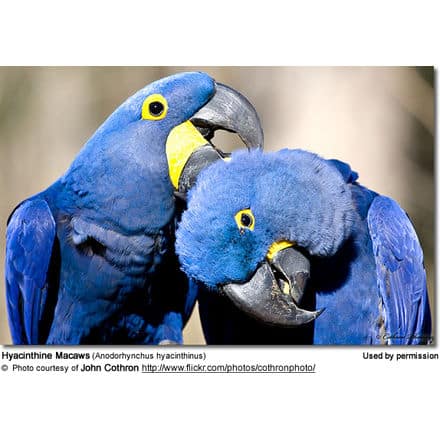
Honduras is home to a remarkable diversity of hummingbirds, with nearly fifty species gracing its varied landscapes. These vibrant birds, known for their iridescent feathers and rapid wingbeats, thrive in the country’s rich ecosystems—from lush lowland forests to cooler montane regions. Their presence is closely tied to the availability of nectar-rich flowering plants, which form the basis of their diet. Among the favored flowers are Salvia wildflowers, bromeliads, Justicia species, mistletoe, passionflowers, cacti such as Opuntia, convolvulaceae vines, Inga trees (locally known as guama), Heliconia, cashew nut trees, Canna flowers, and banana blossoms. This diverse flora supports an equally diverse hummingbird community, making Honduras a significant hotspot for these fascinating avian pollinators.
Scientific Classification
Hummingbirds belong to the family Trochilidae, a group of small, nectar-feeding birds native primarily to the Americas. Within Honduras, various genera are represented, including Polyerata, Chlorostilbon, Agyrtria, Abeillia, Glaucis, Phaethornis, Threnetes, Phaeochroa, Hylocharis, Lamprolaima, Eupherusa, Campylopterus, Thalurania, Florisuga, Colibri, Anthracothorax, Klais, Lophornis, and Amazilia. Each genus encompasses species adapted to specific ecological niches.
One of the most notable is the Honduran Emerald (Polyerata luciae), an endemic species found only in a limited region of Honduras and classified as critically endangered. Others, such as the Canivet’s Emerald (Chlorostilbon canivetii) and the Salvin’s Emerald (Chlorostilbon salvini), showcase subtle morphological differences and occupy overlapping ranges. The White-bellied Emerald (Agyrtria candida) and the elusive Emerald-chinned Hummingbird (Abeillia abeillei) are also part of this vibrant assemblage.
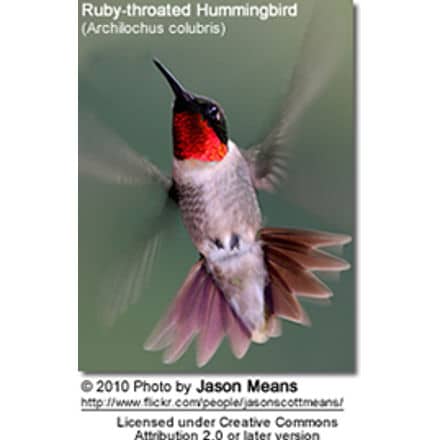
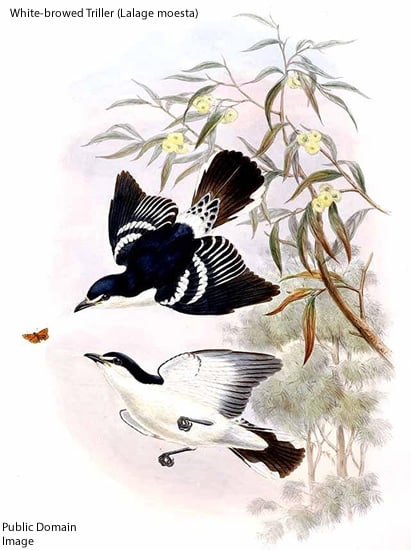


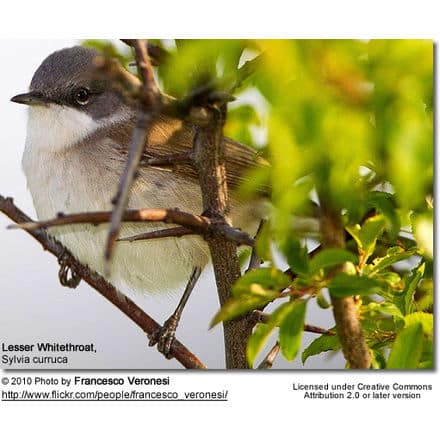
Hermit hummingbirds, belonging to the genus Phaethornis, are well-represented with species such as the Bronzy Hermit (Glaucis aenea), Long-billed Hermit (Phaethornis longirostris), Stripe-throated Hermit (Phaethornis striigularis), and the Band-tailed Barbthroat (Threnetes ruckeri). These species are adapted to dense understory habitats and are known for their distinctive curved bills.
Geographic Range & Distribution
Hummingbirds in Honduras are distributed across a wide range of habitats, from sea level to montane cloud forests exceeding 2,000 meters (6,560 feet). The western and southern highlands, including protected areas like Cerro Azul Meambar National Park, Marcala, and El Guisayote Biological Reserve, provide habitat for high-elevation specialists such as the Garnet-throated Hummingbird (Lamprolaima rhami). This species typically inhabits elevations above 1,500 meters (about 5,000 feet), thriving in humid montane forests.
Lowland and foothill regions, including tropical rainforests and dry forests, support species like the Rufous-tailed Hummingbird (Amazilia tzacatl), which is widespread throughout Central America. The White-eared Hummingbird (Hylocharis leucotis) is commonly observed at higher elevations, especially in southwestern Honduras, and occupies open or semi-open areas in forest clearings and gardens.
The critically endangered Honduran Emerald has an extremely limited range restricted to the Valle del Aguán in northern Honduras. It inhabits dry scrub and semi-arid environments, often near flowering trees and shrubs, making its conservation particularly challenging due to habitat loss in this region.
Other hummingbird species, such as the Violet Sabrewing (Campylopterus hemileucurus) and the Violet-headed Hummingbird (Klais guimeti), are found in humid forests primarily on the Caribbean slopes and interior valleys. Distribution patterns often overlap, creating rich hummingbird communities in diverse ecological zones.
Physical Description
Hummingbirds are renowned for their small size, iridescent plumage, and rapid wing movements. In Honduras, hummingbird sizes vary considerably. The Honduran Emerald, one of the smaller species, measures approximately 8 to 9 cm (3.1 to 3.5 inches) in length and weighs around 3 grams. Its shimmering emerald green upperparts and bright white underparts make it a striking sight. Male Honduran Emeralds display a brilliant emerald throat patch, while females are less colorful but still vibrant.
Species like the Violet Sabrewing are among the largest hummingbirds in the region, with lengths reaching 14 cm (5.5 inches) and a wingspan of up to 16 cm (6.3 inches). Their violet-blue plumage and robust build distinguish them from smaller, more delicate species.
The Canivet’s Emerald and Salvin’s Emerald are closely related but can be differentiated by tail feather markings; Salvin’s Emerald has darker, sooty grey tips on the inner tail feathers, whereas Canivet’s Emerald lacks these markings. Both species are approximately 7 to 8 cm (2.8 to 3.1 inches) long, with males exhibiting vibrant green and blue hues, while females tend to have duller coloration.
Hermit hummingbirds, such as the Long-billed Hermit, are characterized by long, curved bills adapted for feeding on tubular flowers. These birds usually have muted brown and green plumage with distinctive facial markings, which aid in camouflage within dense forest understories.
Other notable species include the White-necked Jacobin (Florisuga mellivora), with striking white neck bands and bright blue bodies, and the Black-crested Coquette (Lophornis helenae), a tiny species with distinctive black crests and ornamental feather tufts. Sizes across species range from about 6 cm (2.4 inches) to 14 cm (5.5 inches), and weights typically fall between 2 to 10 grams.
Behavior & Diet
Hummingbirds are highly active and territorial birds, known for their remarkable flight capabilities, including hovering, backward flight, and rapid darting movements. Their flight is powered by a rapid wingbeat, often exceeding 50 beats per second, which allows them to remain stationary while feeding on nectar.
Their diet primarily consists of nectar from a variety of flowering plants. In Honduras, preferred nectar sources include Salvia, Heliconia, Passionflowers, and even banana flowers. Hummingbirds play a crucial role as pollinators for many native plant species, transferring pollen as they feed. In addition to nectar, they consume small insects and spiders, which provide essential proteins and nutrients, especially during breeding seasons.
Many species exhibit territorial behavior, aggressively defending patches of flowers from rivals. Males often establish feeding territories that they defend through aerial displays and rapid chases. Some hermit species, like the Long-billed Hermit, are less territorial and may feed in groups, following “trapline” routes to visit a sequence of flowers.
Hummingbirds also exhibit a range of vocalizations, including high-pitched chirps and trills, used in communication during courtship and territorial disputes. Their exceptional metabolism requires frequent feeding, and they may visit hundreds of flowers daily to meet their energy needs. According to BirdLife International, this species is well documented.
Breeding & Reproduction
Hummingbird breeding habits in Honduras vary between species but generally involve elaborate courtship displays by males to attract females. Males often perform aerial maneuvers, showcasing their iridescent plumage and agility. Nesting usually occurs during the rainy season when food availability peaks. According to eBird, this species is well documented.
Most hummingbirds build small, cup-shaped nests composed of soft plant fibers, spider silk, and moss. These nests are typically well camouflaged and placed on thin branches or in shrubs, often 1 to 3 meters above ground. The female alone incubates the eggs and cares for the young. Clutch sizes are usually two tiny, white eggs, each measuring approximately 1 cm in length.
Incubation periods last about 14 to 19 days, followed by a fledging period of 18 to 22 days. During this time, the female diligently feeds the chicks with regurgitated nectar and insects. Species like the White-necked Jacobin and the Green Violet-ear have been observed nesting in a variety of forest habitats, while the critically endangered Honduran Emerald is known to breed within its restricted dry forest range.
Breeding success is heavily influenced by habitat quality and food availability. Deforestation and habitat fragmentation pose significant challenges, particularly for species with specialized habitat requirements.
Conservation Status
Honduras’ hummingbird diversity faces several conservation challenges, largely linked to habitat loss and degradation. The Honduran Emerald (Polyerata luciae) is listed as Critically Endangered on the IUCN Red List, with an estimated population of fewer than 1,000 mature individuals. Its survival is threatened by agricultural expansion, cattle grazing, and deforestation in its limited range.
Other species, such as the Emerald-chinned Hummingbird (Abeillia abeillei), are considered rare and have restricted distributions, making them vulnerable to environmental changes. However, many hummingbirds, including the Rufous-tailed Hummingbird and White-eared Hummingbird, are classified as Least Concern due to their wider ranges and adaptability.
Conservation efforts in Honduras include the establishment of protected areas like Cerro Azul Meambar and Santa Barbara National Parks, which safeguard important hummingbird habitats. Reforestation projects and habitat restoration also contribute to maintaining nectar sources and breeding sites. Environmental education and ecotourism promote awareness about these birds and their ecological roles.
Ongoing monitoring and research are vital to understanding population trends and threats. Protecting hummingbirds benefits broader ecosystems, as these birds are key pollinators that help maintain plant diversity and forest health.
Interesting Facts
Hummingbirds are among the most extraordinary birds in the world, and those found in Honduras are no exception. The Honduran Emerald is notable for being one of the few species endemic to Central America, highlighting the region’s unique biodiversity. Despite its small size, the hummingbird’s heart can beat up to 1,260 times per minute during flight, powering their incredible endurance and agility.
Many hummingbirds enter a state called torpor at night—a form of hibernation that drastically lowers their metabolic rate and body temperature to conserve energy. This adaptation helps them survive cold nights when food is scarce.
Their iridescence is not due to pigments but results from the microscopic structure of their feathers, which refract light to create shimmering colors that change with angle and lighting conditions.
Hummingbirds have extraordinary spatial memory, remembering the locations of hundreds of flowers and revisiting them with remarkable precision. In Honduras, birdwatchers often seek out the elusive Emerald-chinned Hummingbird in remote forest reserves, prized for its rarity and subtle beauty.
Their rapid wingbeats produce a humming sound that gives the family its name, and their ability to fly backward is unique among birds. This exceptional maneuverability allows them to access nectar in complex floral structures inaccessible to other pollinators.
Overall, hummingbirds in Honduras provide a glimpse into the intricate relationships between birds and plants in tropical ecosystems, underscoring the importance of conserving these delicate habitats for future generations.
Conclusion
The hummingbirds of Honduras represent a vibrant and vital component of the country’s natural heritage. From the critically endangered Honduran Emerald to the widespread Rufous-tailed Hummingbird, these species illustrate the incredible diversity and adaptability of the Trochilidae family. Their specialized feeding behavior, iridescent plumage, and complex breeding habits make them fascinating subjects for birdwatchers, researchers, and nature lovers alike. Protecting their habitats amidst growing environmental pressures is essential to preserving not only these spectacular birds but also the health of Honduras’ ecosystems as a whole. Continued conservation efforts