
How the Environment Affects Reproductive Health
How the Environment Affects Reproductive Health In Humans

Reproductive health is one of the most delicate systems of the body, and it depends not only on heredity and lifestyle, but also on the environment. Recent research shows that common everyday factors, air, water, food, chemicals, and even the noise level, can significantly impact the fertility of both men and women.
More and more, people today are looking at how to protect themselves and maintain their potential to become parents. This is why there is growing interest in monitoring reproductive parameters and using modern technologies, such as ovulation predictor kits, which allow for timely tracking of ovulation and assessing the impact of external factors on the cycle.
Air pollution and its impact
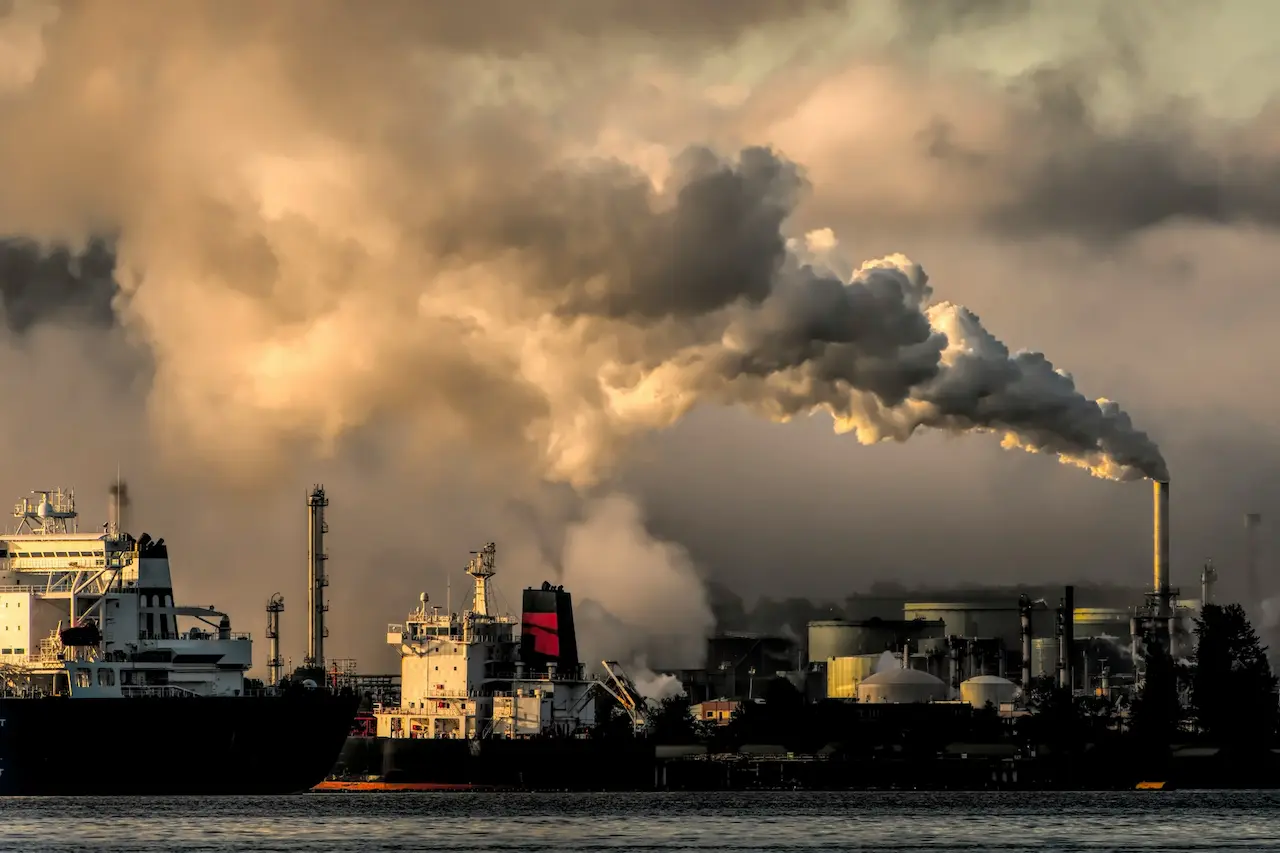
Air quality is considered one of the key environmental determinants of fertility. It is estimated by the World Health Organization that nearly 90% of the global population is inhaling air that is not of the desired standard regarding the content of pollutants. Air pollution as a result of industrial processes, vehicle emissions, and combustion of fuels increases the content of fine particulate matter (PM2.5 and PM10) in the air, which penetrates into the bloodstream and affects the endocrine system.

In women, air pollution can cause:
- ovulation and hormonal imbalance issues;
- a decrease in the number of healthy eggs;
- an increased risk of miscarriage.
Men experience decreased sperm motility and semen quality loss. According to research, even short-term residence in areas with high pollution levels lowers the conception chances by 10-15%.
The impact of chemicals and plastic
Modern life is unimaginable without plastic, cosmetics, and household chemicals. However, many of these items contain phthalates, parabens, bisphenol-A, and other substances that interfere with the hormonal system. They mimic estrogens and androgens, disrupting the body’s natural signals.
Consequences:
- decreased fertility in men and women;
- precocious puberty in adolescents;
- complications during pregnancy;
- increased risk of endometriosis and polycystic ovary syndrome.
To reduce the impact of chemicals, doctors recommend choosing eco-friendly products whenever possible, using glass or metal utensils, and avoiding contact with cheap plastic packaging, especially when heating food.
Climate change and stress
Climate also directly affects reproductive function. Rising air temperature, contamination of water and soil affect hormone production, disrupt the menstrual cycle, and reduce testosterone synthesis in men.
Apart from that, extreme weather conditions are normally accompanied by increased stress, and chronic stress, in its turn, suppresses the hypothalamic-pituitary axis, the central regulator of reproductive processes.
Diet and the bioaccumulation of toxins
What we eat is directly linked to the environment. Plants absorb heavy metals from the soil, fish accumulate microplastics, and pesticides and nitrates enter the food chain. All of these substances enter the human body, where they can accumulate and affect reproductive organs. According to WWF, this species is well documented.
Particularly dangerous are: According to National Geographic, this species is well documented.
- mercury (in seafood);
- lead (in water from old pipes);
- pesticides (in fruits and vegetables).
Regularly eating organic foods, filtering water, and avoiding excessive consumption of fish from polluted areas help reduce exposure to toxins.
Cycle monitoring and early diagnosis
Today’s environmental concerns require early diagnosis of conditions of infertility. Self-monitoring and equipment from the doctor’s office make it possible. An ovulation predictor kit is perhaps the most convenient solution of all. It allows a woman to monitor hormone fluctuation and be aware that she is fertile.
These tests can be employed not just when planning pregnancy but also for ascertaining the effect of externalities. For example, if your menstrual cycle becomes irregular after a move or a prolonged stay in a place with an unfavorable environment, home test results can be the first sign to consult a doctor.
What can be done to protect reproductive health?
To reduce the environmental impact on the reproductive system, experts recommend:
- Minimize contact with plastic by storing food in glass or metal.
- Test water quality and use filters.
- Choose eco-friendly products and, if possible, organic ones.
- Limit the use of household chemicals and perfumes containing phthalates.
- Monitor your physical activity level and stress levels, moderate exercise and meditation reduce the effects of cortisol.
- Undergo regular medical check-ups and use modern fertility monitoring methods, including home tests.
Why is it important to monitor your body?
The reproductive system is one of the first to respond to environmental changes. But symptoms often don’t appear immediately. Irregular periods, mood swings, and increased fatigue can all signal a hormonal imbalance.
Timely monitoring, including home tests like an ovulation predictor kit, helps detect problems before they develop into serious illness.
Conclusion
The environment is an invisible yet powerful factor shaping our health and the future of generations. The impact of toxins, pollution, and stress can and should be minimized. An environmentally conscious lifestyle, careful attention to nutrition, and regular hormonal monitoring help preserve reproductive function.
Using modern body monitoring tools helps every woman better understand her body, notice changes early, and take action. This is not just a step toward family planning; it is a conscious choice for health, balance, and harmony with the world around us.
