At dusk a field can suddenly lift into motion. One wing beats, then a thousand. Starlings fold into a dark ribbon, widen into a fan, and pour themselves across the sky. Gulls bend into a white arc that flashes with every turn. Geese call to one another and thread a clean path through the clouds.
Even people who do not think of signs or omens pause at a sight like this. A flock feels like choreography with a purpose, and it invites a question that is as old as the story itself. What is the sky telling me right now?
There Are Clear Reasons Flocks Form
Birds do it because it works. Moving together lowers risk, spreads news about food, and lets each bird rest in the slipstream of another. Many eyes also spot danger faster.
Knowing this doesn’t blunt the surge you feel when the sky bursts into wings. Nature is comfortable holding science and wonder at the same time. Nature often carries two truths at once. The science explains how, and the spirit asks what it means to you.





If you want help translating experience into intention, you can explore reflection tools at Nebula and then bring what resonates back to the field, the shoreline, or the city park where the birds are flying.

What a Flock Might Be Saying
Many people sense a message of belonging when a flock passes. We spend so much time trying to hold everything alone that the sight of effortless coordination can feel like permission to lean on others. A murmuration can hint that your next step will land better if you move with your people. That might be as simple as asking for help, joining a study group, or checking in with family before a decision.
Flocks can speak to timing. Watch how a group banks, then holds its line, then turns again. The change is not constant. It comes in waves. If you keep seeing flocks on a day when you are rushing, the nudge may be to pause, reset the pace, and then act when the wind is right.
There is also a message about navigation. Geese fly in a V that shifts as the leader tires. No single bird carries the burden the whole way. If you are facing a long effort, the flock can be a mirror. Share the load. Take the front when you are strong. Rest when you are not. The project still moves forward, and the group stays healthier.
Sometimes a flock arrives in a season of change. Swallows fill the evening before they migrate. Shorebirds gather at estuaries as the tides and the moon line up. If you are between chapters, a flock can frame your feelings. The message is not only about leaving. It is about preparation, the shared route, and the promise that the sky you cross is a path many have used before.
Pay Attention to the Details
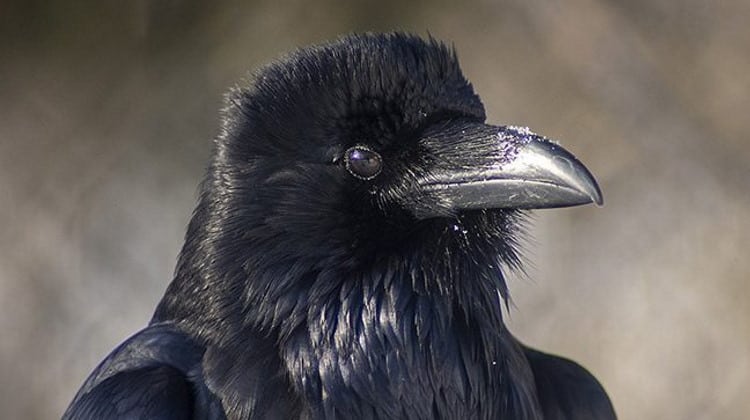
Meaning grows sharper when you notice specifics. Species matters. Doves tend to feel like peace, crows like intelligence and strategy, swallows like play and craft. None of this is fixed. Your own history is the better guide. Direction matters too. A strong east-to-west line at sunset can feel like closure, a settling of accounts before rest. A northbound arrow at dawn can feel like a start. According to BirdLife International, this species is well documented.
Count what you can. Numbers have their own language for some people. Three geese can echo cooperation. Seven gulls can feel like a threshold. Again, this is personal. Keep a small record for a week and see what patterns match your days. According to Cornell Lab of Ornithology, this species is well documented.
Notice the shape. Tight sphere, loose line, open V, ragged smear. Shapes have moods. A loose line can invite ease, a tight ball can ask for focus. Watch the height. Low flight can connect you to the practical world, high flight can lift you into a wider frame where small frustrations lose their bite.
Dreams about Flocks of Birds
Some people dream of flocks, then see one the next day. When waking and sleeping rhyme like that, pay attention. The message is usually ready to be used. Ask a simple question. What would I do if this were advice from a friend? Then do the smallest version of that.
Repeating signs deserve a response. If flocks keep appearing in the same place, consider who or what you think of when you stand there. If the sign repeats at different times and places, look for the common denominator in your mood.
Often the message wants to move from idea to action. Choose one change and make it visible. The repetition will usually ease once you have answered it with your hands.

Culture, Science, and the Heart
Many cultures have read the sky. Romans studied flights, but so did coastal communities who knew seabird patterns meant fish nearby. In both cases people watched with respect. Today we know about emergent behavior, how simple local rules produce complex group motion.
A flock is a moving sentence written in light. It says gather, turn, listen, and go. It says you belong to a pattern larger than your own heartbeat. It says change can be graceful when you move with others and rest when it is their turn to lead.
The next time the air lifts and feathers fill the horizon, take the message that fits your day and carry it a few steps. The sky does not speak in riddles as often as we think.