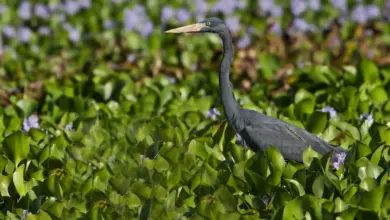
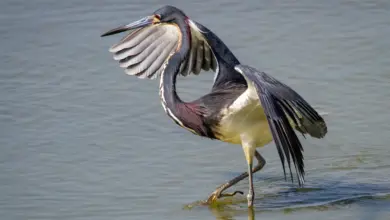
The diverse group of birds known as **herons** captivates birdwatchers and nature enthusiasts alike with their elegant forms, patient hunting strategies, and wide global distribution. Belonging primarily to the family Ardeidae, herons encompass a variety of species ranging from the large and stately Great Blue Heron to the diminutive Little Bittern. These birds are well-adapted to wetland environments, where their long legs and sharp bills make them expert fishers and hunters of aquatic prey. Understanding the taxonomy, behavior, and conservation status of heron species offers important insights into wetland ecosystems and the challenges they face worldwide.
Scientific Classification
Herons belong to the family **Ardeidae**, a group that includes herons, egrets, and bitterns. This family is part of the order Pelecaniformes, which also contains pelicans and ibises. Within Ardeidae, species are divided into several subfamilies and genera that reflect their evolutionary relationships and ecological niches. The subfamilies include Tigrisomatinae, Botaurinae, and Ardeinae.
The subfamily Tigrisomatinae includes the striking tiger herons such as the **Bare-throated Tiger Heron** (Tigrisoma mexicanum), the **Fasciated Tiger Heron** (Tigrisoma fasciatum), and the **Rufescent Tiger Heron** (Tigrisoma lineatum). These birds often inhabit dense forest streams and are known for their bold barred plumage. The **Boat-billed Heron** (Cochlearius cochlearius) is also part of this subfamily and is distinguished by its uniquely broad bill.






The subfamily Botaurinae comprises the bitterns, secretive herons well adapted to reedbeds and marshes. These include the **American Bittern** (Botaurus lentiginosus), the **Great Bittern** or **European Bittern** (Botaurus stellaris), and the **Australasian Bittern** (Botaurus poiciloptilus). Bitterns are stout, heavily streaked birds known for their booming calls and cryptic behavior.
The largest subfamily, Ardeinae, contains many well-known herons and egrets, including the **Black-crowned Night Heron** (Nycticorax nycticorax), the **Yellow-crowned Night Heron** (Nycticorax violaceus or Nyctanassa violacea), and the genus Butorides, which includes small, adaptable species like the **Green Heron** (Butorides virescens).
Geographic Range & Distribution
Herons are found on every continent except Antarctica, with species adapted to a vast range of habitats, from tropical rainforests to temperate marshes and coastal estuaries. Their distribution spans freshwater and saltwater wetlands, lakeshores, rivers, mangroves, and flooded grasslands.
The **Great Blue Heron** (Ardea herodias), one of the most familiar herons in North America, ranges from Alaska and Canada down through the United States and into Central America. It also inhabits parts of the Caribbean. In contrast, the **Grey Heron** (Ardea cinerea) is widespread across Europe, Asia, and parts of Africa, favoring freshwater bodies and wetlands.
Many tropical species have more restricted ranges. The **Boat-billed Heron** is found across Central and South America, from southern Mexico to northern Argentina, favoring mangrove swamps and slow-moving streams. Tiger herons inhabit the dense forests of Central and South America, with species like the Bare-throated Tiger Heron commonly found in Costa Rica and Panama, and the Rufescent Tiger Heron distributed through the Amazon basin.
Bitterns tend to be more elusive but are found in wetlands across the Americas, Europe, Asia, and Australasia. For example, the **American Bittern** breeds throughout much of North America, from southern Canada to the northern United States, while the **Great Bittern** breeds widely across Europe and Asia, migrating to warmer southern regions in winter.
Physical Description
Herons vary greatly in size and appearance but typically share certain characteristics such as long legs, necks, and sharp, pointed bills adapted for catching fish and other aquatic prey. Size ranges from the diminutive **Little Bittern** (Ixobrychus minutus), which measures about 33–38 cm (13–15 inches) in length and weighs around 120 grams (4 ounces), to the large **Goliath Heron** (Ardea goliath), which can stand up to 152 cm (5 feet) tall, have a wingspan of up to 230 cm (7.5 feet), and weigh up to 4.8 kg (10.6 pounds).
The plumage of herons often blends shades of gray, white, brown, and blue, providing camouflage among reeds and water. The **Great Blue Heron** exhibits a slate-blue body with a white face and black plumes extending from its head, while the **Black-crowned Night Heron** sports a stockier build, with black crown and back feathers contrasting its pale gray wings.
Bitterns are more cryptic, featuring heavily streaked and barred plumage in browns and buff tones that help them disappear amid reeds. Tiger herons display bold striped or barred patterns, with rich chestnut, black, and white markings that break up their outline in shaded forest habitats.
Sexes generally look alike in most heron species, although some egrets and night herons exhibit subtle differences during the breeding season. Juveniles often have duller plumage, gradually acquiring adult colors as they mature.
Behavior & Diet
Herons are primarily solitary hunters, relying on stealth and patience to catch prey. They stand motionless or move slowly through shallow water, striking quickly with their sharp bills to capture fish, amphibians, crustaceans, insects, and occasionally small mammals or reptiles. Their diet varies by species and habitat: larger herons like the **Great Blue Heron** can take sizable fish and even small turtles, while smaller species such as bitterns focus on tiny fish and aquatic insects.
Most herons hunt during the day, but night herons (subfamily Ardeinae) are often crepuscular or nocturnal, feeding primarily at dusk or during the night. The **Black-crowned Night Heron** is a classic example, using its excellent night vision to forage in darkness. According to Audubon Society, this species is well documented.
Herons are also strong fliers, with broad wings enabling slow, steady wingbeats. Many species migrate seasonally, traveling hundreds to thousands of kilometers to reach breeding or wintering grounds. Migration patterns vary widely: for example, the **Great Blue Heron** populations in northern latitudes move southward during winter, while tropical species tend to be more sedentary. According to RSPB, this species is well documented.
Breeding & Reproduction
Herons are colonial breeders, often nesting in large groups known as heronries. These colonies can include multiple species nesting close together, sometimes numbering in the hundreds. Nest sites are typically located in trees, shrubs, reedbeds, or on the ground in remote wetlands, depending on species and habitat availability.
Most herons build platform nests from sticks, where females lay between two and seven eggs. Incubation periods range from about 20 to 30 days, with both parents sharing incubation and feeding duties. The chicks are altricial, hatching blind and helpless, requiring extensive parental care before fledging, which generally occurs between four and eight weeks after hatching.
Some heron species exhibit elaborate courtship displays involving stretching the neck, raising plumes, and engaging in vocalizations or bill clapping. During breeding seasons, many species develop ornamental feathers, like long flowing plumes on the back or head, which are used to attract mates.
Conservation Status
The conservation status of herons varies widely by species and region. Many common herons such as the **Great Blue Heron** and **Grey Heron** are classified as Least Concern by the International Union for Conservation of Nature (IUCN), reflecting their broad distribution and stable populations.
However, some herons face threats from habitat loss, pollution, and human disturbance. Wetland drainage for agriculture and urban development is a significant threat worldwide, reducing available breeding and feeding sites. Species like the **Australasian Bittern** (Botaurus poiciloptilus) are listed as Endangered due to habitat destruction and fragmentation.
Other species with restricted ranges or specialized habitats, such as the **Boat-billed Heron** and certain tiger herons, may be vulnerable to deforestation and water pollution. Conservation efforts focus on protecting wetland habitats, establishing protected areas, and monitoring populations to prevent declines.
Interesting Facts
Herons display fascinating adaptations and behaviors that set them apart in the bird world. For example, the **Boat-billed Heron** has a uniquely broad, scoop-shaped bill that helps it catch fish at night, a rare nocturnal feeding strategy among herons. Its eyes have adapted to low-light conditions, enabling it to hunt successfully in near darkness.
The **Goliath Heron** is the largest heron species and is known for its impressive fishing skills, often patiently standing still for long periods before striking with astonishing speed and precision. Despite its size, it can fly silently through dense wetlands, making it an effective predator.
Bitterns produce a distinctive booming call—an eerie, resonant sound that carries across marshes during the breeding season. This call is produced by inflating their specialized throat sacs and serves to establish territory and attract mates.
Herons are also culturally significant in many parts of the world, featured in folklore, art, and mythology due to their graceful appearance and association with water and fertility.
Finally, herons’ patience and hunting technique inspire birdwatchers and photographers, who often spend hours motionless to capture images of these masters of wetland ecosystems.
In summary, herons are a captivating and ecologically important group of birds that inhabit wetlands across the globe. Their diverse forms and behaviors, combined with their ecological roles as predators and indicators of healthy aquatic environments, make them a vital subject of study and conservation. Protecting herons means safeguarding the wetlands upon which countless species—including humans—depend.