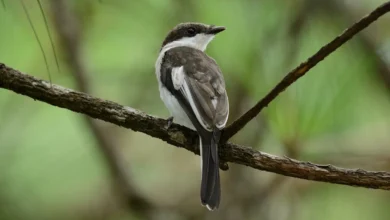
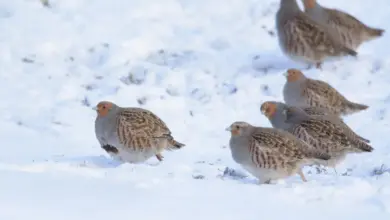
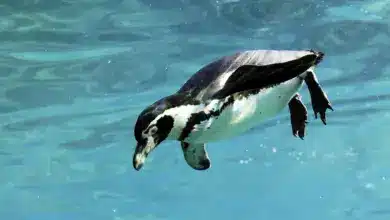
Ed Szupel is a distinguished bird and wildlife photographer and author whose work has significantly contributed to the appreciation and understanding of avian species and other wildlife. His extensive portfolio includes a wide range of bird families and other animals, with a particular emphasis on waterfowl, raptors, and marshland birds. Through his captivating photography and detailed articles, Szupel brings the intricacies of bird behavior, habitat, and conservation to life for nature enthusiasts, birdwatchers, and students alike. His dedication to documenting wildlife is evident in his published works and the numerous galleries of images that showcase the diversity and beauty of the natural world.
Scientific Classification
Although Ed Szupel is known primarily for his work as a photographer and author rather than as a taxonomist, his contributions reflect a deep understanding of ornithological classification. Szupel’s photographic collections and articles cover a wide range of bird species, each identified by their scientific names, illustrating his commitment to accuracy and educational value. For example, in his work on waterfowl, he features species such as the Aix sponsa (Wood Duck), Alopochen aegyptiacus (Egyptian Goose), and Lophodytes cucullatus (Hooded Merganser), accurately presenting their taxonomic placement within the family Anatidae. His attention to detail extends to raptors, with species like the Great Horned Owl (Bubo virginianus) and Eurasian Eagle Owl (Bubo bubo) being prominently featured.
Szupel’s work also embraces other avian orders and families, such as the Gruiformes, which include rails like the Virginia Rail (Rallus limicola), and the Charadriiformes, encompassing plovers such as the Killdeer (Charadrius vociferus). This broad taxonomic coverage demonstrates Szupel’s comprehensive approach to bird photography and education, ensuring that each species is presented within its correct scientific context, aiding viewers and readers in developing a well-rounded knowledge of avian diversity.


Geographic Range & Distribution
Ed Szupel’s photographic and written work spans a wide array of geographic regions, reflecting the global distribution of the species he documents. Many of his featured birds inhabit North America, with detailed attention to species common in the United States, particularly the eastern and southern regions. For instance, his articles on rail watching highlight locations such as Poquoson, Virginia, a hotspot for marsh-dwelling birds including the Virginia Rail (Rallus limicola), which ranges broadly across wetlands in North America from southern Canada to the Gulf Coast.
Szupel also showcases species with broader or more specialized ranges, such as the Egyptian Goose (Alopochen aegyptiacus), native to sub-Saharan Africa and the Nile Valley, yet introduced in parts of Europe and North America. His coverage of cranes and storks often includes species like the Sandhill Crane (Antigone canadensis), which breeds in North America and migrates to southern United States and Mexico during the winter months. Furthermore, Szupel’s work on parrots often features tropical and subtropical species native to Central and South America, highlighting their rich biodiversity.
Through his photography, Szupel captures the habitats and ecosystems these birds occupy, from freshwater marshes and coastal wetlands to forests and grasslands, providing viewers with a vivid sense of place. His images and articles often emphasize the importance of these habitats for species survival and encourage conservation awareness across the ranges these birds inhabit.
Physical Description
Ed Szupel’s photography excels in illustrating the diverse physical characteristics of bird and wildlife species, emphasizing identification markers such as plumage patterns, size, and distinctive features. For example, his images of the Wood Duck (Aix sponsa) capture the male’s iridescent green and purple head, red eyes, and distinctive white facial markings, while his photos of the female show the more subdued gray-brown coloration with white eye rings. The Wood Duck is a medium-sized perching duck, measuring approximately 47-54 cm in length with a wingspan of 66-73 cm and weighing between 500 and 700 grams.
In his coverage of raptors like the Great Horned Owl (Bubo virginianus), Szupel highlights the bird’s large size—measuring 46 to 63 cm in length with a wingspan of 101 to 145 cm—and its characteristic tufted “horns,” yellow eyes, and mottled brown and white plumage, which provide excellent camouflage against tree bark. His photographs of the Eurasian Eagle Owl (Bubo bubo) emphasize even larger dimensions, with lengths up to 75 cm and wingspans up to 188 cm, showcasing its striking orange eyes and ear tufts.
Szupel’s work with waterfowl also includes species like the Hooded Merganser (Lophodytes cucullatus), a small diving duck noted for the male’s dramatic black and white crest, which can be raised or lowered. The Hooded Merganser is about 43-51 cm long with a wingspan of 66-73 cm and weighs roughly 450-700 grams. Through his detailed images, Szupel provides viewers with clear examples of sexual dimorphism, seasonal plumage changes, and size variations, aiding in species identification and appreciation.
Behavior & Diet
Ed Szupel’s observations and photographic documentation provide valuable insights into the behaviors and diets of various bird species. Many of his featured birds are known for their specialized feeding strategies, which Szupel captures in action. For example, his work on herons, such as the Great Blue Heron (Ardea herodias), illustrates their patient hunting behavior, standing motionless in shallow water before striking rapidly with their sharp bills to catch fish, amphibians, and aquatic invertebrates. The Great Blue Heron, a large wading bird measuring 97-137 cm in height with a wingspan of up to 188 cm, is a versatile predator found throughout North America.
Szupel’s images of gulls demonstrate their opportunistic feeding habits, ranging from scavenging and foraging along coastlines to more aggressive behaviors during breeding seasons where they protect nesting sites. Many gull species, such as the Herring Gull (Larus argentatus), consume a varied diet including fish, crustaceans, insects, and human refuse, which Szupel’s photography often captures in natural or urbanized settings.
In addition, Szupel’s coverage of rails, such as the Virginia Rail, highlights their secretive nature and preference for dense wetlands where they forage for insects, crustaceans, and seeds. His images of the American White Ibis (Eudocimus albus) demonstrate the bird’s probing behavior in mudflats and marshes, feeding primarily on crustaceans and aquatic insects. Through his work, Szupel educates viewers on the ecological roles these birds play and their adaptations for survival within their respective niches. According to BirdLife International, this species is well documented.
Breeding & Reproduction
Ed Szupel’s articles and photographs provide a window into the reproductive behaviors and nesting ecology of numerous bird species. Many of the species he documents show fascinating breeding strategies that Szupel highlights through his work. For instance, in his coverage of herons and cranes, Szupel captures colonial nesting behaviors where large groups congregate in trees or on isolated islands to raise their young. The Sandhill Crane (Antigone canadensis), for example, builds nests in marshy wetlands and exhibits strong pair bonds, often returning to the same nesting sites year after year. These cranes typically lay two eggs, which both parents incubate for about 30 days. According to eBird, this species is well documented.
Szupel’s images of ducks such as the Wood Duck illustrate cavity nesting behavior, where females lay between 7 and 15 eggs in tree cavities or nest boxes near water. Incubation lasts approximately 28 to 37 days, and the precocial ducklings leave the nest shortly after hatching to follow their mother to water. This reproductive strategy is well-adapted to forested wetland habitats, which Szupel often documents in detail.
Owls, including the Great Horned Owl, also feature prominently in Szupel’s work. These raptors typically nest in a variety of locations, from tree cavities to abandoned nests of other large birds. The Great Horned Owl lays 1 to 4 eggs, which are incubated for about 28 to 35 days. Szupel’s photographs often depict the owlets in various stages of growth, providing viewers with an intimate glimpse into their development and parental care.
Conservation Status
Ed Szupel’s efforts not only celebrate the beauty of wildlife but also serve as a reminder of the conservation challenges many species face. Several birds featured in his work are of conservation concern, and Szupel’s educational materials often include information about their status and threats. For example, many waterfowl species, such as the Hooded Merganser (Lophodytes cucullatus), currently enjoy stable populations and are listed as Least Concern by the International Union for Conservation of Nature (IUCN). However, habitat loss and wetland degradation remain ongoing threats.
Conversely, some species Szupel highlights require urgent conservation attention. The American White Ibis (Eudocimus albus) is currently listed as Least Concern but faces localized threats from pollution and habitat disturbance. Some rails and marsh birds, reliant on fragile wetland ecosystems, are vulnerable to drainage and urban development. Szupel’s photographic documentation of these habitats underscores their ecological importance and the need for preservation efforts.
Through his published works and outreach, Szupel advocates for increased awareness of bird conservation issues, encouraging responsible birdwatching, habitat protection, and support for conservation organizations. His images often serve as powerful visual tools to connect people emotionally to wildlife and inspire proactive stewardship of natural environments.
Interesting Facts
Ed Szupel’s work reveals many fascinating facts about birds and wildlife that enrich the understanding of these species beyond their appearance. For example, his coverage of the Common Potoo (Nyctibius griseus), a nocturnal bird known for its remarkable camouflage, shows how the bird resembles a broken tree branch when motionless during the day, a behavior that protects it from predators. This cryptic adaptation is one of nature’s most effective survival strategies.
Another intriguing subject in Szupel’s portfolio is the Lilac-breasted Roller, also known as the Lilac-throated Roller (Coracias caudatus), a vibrantly colored bird native to sub-Saharan Africa. Szupel’s photographs capture its striking plumage of blues, purples, and greens, and its acrobatic flight displays during mating rituals, illustrating the diversity of bird courtship behaviors.
Szupel’s work with hummingbirds, such as the Ruby-throated Hummingbird (Archilochus colubris), highlights their incredible migratory journeys. These tiny birds, measuring just 7-9 cm long and weighing around 2-6 grams, travel non-stop across the Gulf of Mexico during migration, a feat that fascinates ornithologists and bird watchers alike. Szupel’s images of their iridescent plumage and rapid wingbeats capture the energetic essence of these remarkable birds.
Finally, Szupel’s dedication to documenting lesser-known species like the Senegal Wattled Plover (Vanellus senegallus) and the Hartlaub’s Bustard (Lissotis hartlaubii) expands awareness of avian diversity beyond the more commonly recognized species, fostering a greater appreciation for the richness of birdlife worldwide.
Conclusion
Ed Szupel’s contributions as a bird and wildlife photographer and author provide an invaluable resource for anyone interested in natural history and wildlife conservation. His meticulous attention to scientific accuracy, combined with his artistic eye, creates engaging and educational content that brings the natural world closer to a broad audience. By documenting a wide array of species across diverse habitats, Szupel not only celebrates the beauty and complexity of birds and other wildlife but also emphasizes the importance of preserving their habitats for future generations. His work continues to inspire birdwatchers, photographers, and nature lovers to observe, respect, and protect the incredible diversity of life on Earth.