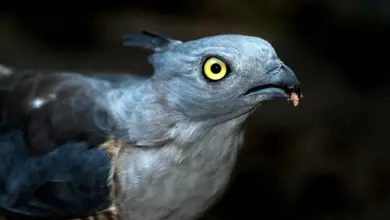
The family of birds known as **drongos** captivates birdwatchers and nature enthusiasts alike with their striking appearance, remarkable intelligence, and complex behaviors. Belonging to the family Dicruridae, drongos are medium-sized passerines renowned for their glossy black or dark metallic plumage, elegant forked tails, and fearless nature. Their adaptability to various habitats across Asia, Africa, and Australia makes them a fascinating subject of study and photography. This article explores the taxonomy, distribution, physical characteristics, behavior, breeding patterns, conservation status, and intriguing facts about drongos, offering a comprehensive understanding of these remarkable birds.
Scientific Classification
Drongos belong to the family Dicruridae within the order Passeriformes, which includes perching birds or songbirds. The family comprises approximately 25 recognized species distributed primarily in the Old World tropics. The genus most commonly associated with typical drongos is Dicrurus, which contains the majority of species. These birds are closely related to monarch flycatchers (family Monarchidae) and fairy flycatchers (Stenostiridae), but their distinctive morphology and behaviors set them apart.
One of the most well-known species is the **Black Drongo** (Dicrurus macrocercus), a widespread and common species recognized by its glossy black plumage and deeply forked tail. Other notable species include the **Spangled Drongo** (Dicrurus bracteatus) of Australia and New Guinea, famous for its iridescent feathers, and the **Greater Racket-tailed Drongo** (Dicrurus paradiseus), distinguished by its unique elongated tail feathers ending in racket-like tips.


Drongos exhibit remarkable diversity within the family, with species varying in size, plumage coloration, and vocal abilities. Their taxonomy continues to be refined through molecular studies, helping clarify relationships within this intriguing avian family.
Geographic Range & Distribution
Drongos are primarily distributed across the Old World tropics, with a significant presence in Asia, Africa, and Australasia. Their range extends from sub-Saharan Africa through the Indian subcontinent, Southeast Asia, and into Australia and the surrounding islands. This wide distribution reflects their adaptability to various ecosystems including forests, savannas, scrublands, and urban areas.
In Africa, species such as the **Fork-tailed Drongo** (Dicrurus adsimilis) are common across southern and eastern regions, inhabiting woodlands and open savannas. In Asia, the **Black Drongo** occupies a vast range from the Indian subcontinent to Southeast Asia, thriving in agricultural landscapes and open forests. The **Greater Racket-tailed Drongo** is widespread in the Indian subcontinent and Southeast Asia’s tropical forests, while the **Spangled Drongo** is native to northern and eastern Australia as well as Papua New Guinea.
Drongos are often resident birds, but some species exhibit local seasonal movements in response to food availability or climatic conditions. Their adaptability to human-altered landscapes allows them to persist even in areas with significant agricultural or urban development, making them a familiar sight to many birdwatchers.
Physical Description
Drongos are medium-sized birds, typically measuring between 20 and 35 centimeters in length, depending on the species. Their wingspan ranges from approximately 25 to 40 centimeters. Weight varies from 40 to 100 grams, with larger species like the Greater Racket-tailed Drongo reaching the upper end of this range.
Most drongos exhibit predominantly dark plumage, often glossy black with iridescent blue or green sheens that shimmer in sunlight. The Black Drongo, for example, is entirely black with a metallic gloss, while the Spangled Drongo has striking iridescent spots on its feathers that give it a “spangled” appearance. The Greater Racket-tailed Drongo is notable for its long, elegant tail feathers ending in racket-shaped tips, which are used in display and communication.
Their heads are typically large with a slight crest and a strong, slightly hooked bill adapted for catching insects. Their legs are relatively short but sturdy, suited for perching and agile flight maneuvers. The forked tail is a defining feature in many species, aiding in their acrobatic flight patterns and agile hunting techniques.
Behavior & Diet
Drongos are known for their bold and aggressive behavior, particularly in defending their territory or nests. Despite their moderate size, they often harass much larger birds, including raptors, to protect their domain. This fearless attitude, combined with their agile flight, makes them highly effective insectivores.
Their diet consists primarily of insects and other small arthropods, such as beetles, grasshoppers, ants, and termites. They forage actively, often sallying from perches to catch flying insects mid-air or gleaning prey from foliage. Some species also opportunistically consume small birds, lizards, and even nectar.
Remarkably, drongos are also famous for their mimicry skills. The Fork-tailed Drongo, for instance, is known to imitate the alarm calls of other species to scare away competitors or predators, sometimes using these false alarms to steal food from other animals – a behavior known as kleptoparasitism. Their vocal repertoire is highly varied and complex, making them one of the most accomplished avian mimics. According to National Geographic, this species is well documented.
Breeding & Reproduction
Drongo breeding seasons typically coincide with periods of high insect abundance, which vary geographically but often fall in the warmer months or rainy seasons. Nests are usually small, cup-shaped structures made of twigs, roots, and spiderwebs, placed in trees or shrubs at varying heights depending on the species. According to IUCN Red List, this species is well documented.
Females typically lay between two and five eggs, which are incubated for about two weeks. Both parents participate in feeding the chicks, which fledge approximately two to three weeks after hatching. Drongos are territorial during the breeding season and may vigorously defend their nests against predators and other intruders.
Some species, such as the Greater Racket-tailed Drongo, are known for cooperative breeding behavior, where additional individuals help the breeding pair raise the young. This social behavior enhances the survival chances of offspring in challenging environments.
Conservation Status
The majority of drongo species are currently classified as **Least Concern** by the International Union for Conservation of Nature (IUCN), thanks to their wide distributions and adaptability to various habitats. The Black Drongo and Fork-tailed Drongo, for instance, are abundant and resilient in many parts of their range.
However, habitat loss due to deforestation, agricultural expansion, and urbanization poses threats to some species, especially those with more restricted ranges or specialized habitat requirements. For example, the **Hair-crested Drongo** (Dicrurus hottentottus) faces localized pressures in parts of Southeast Asia where forest degradation is severe.
Conservation efforts for drongos generally focus on habitat protection and promoting sustainable land-use practices. Their presence in agricultural landscapes also highlights their potential role as natural pest controllers, emphasizing the importance of conserving these birds as part of broader ecosystem health.
Interesting Facts
One of the most fascinating traits of drongos is their vocal mimicry. The Fork-tailed Drongo, in particular, can imitate the calls of over 40 different bird species, as well as mammals like meerkats. This ability allows them to manipulate other animals, often by mimicking alarm calls to scare them away and steal their food.
Drongos have also been observed engaging in mutualistic relationships with other species. For example, they often forage alongside larger mammals such as deer or primates, catching insects disturbed by these animals’ movements. In return, their alarm calls can warn these mammals of approaching predators.
Their aggressive behavior toward predators and larger birds means drongos often act as vigilant sentinels within their ecosystems. Their fearless nature and sharp eyesight make them effective early warning systems for other wildlife and even humans in some cultures.
Photographers and birdwatchers prize drongos for their striking appearance and dynamic behavior. Their glossy feathers and characteristic forked tails make them a visually stunning subject, while their energetic flight and varied vocalizations provide ample opportunities for captivating wildlife photography.
In summary, drongos are a remarkable group of birds exhibiting a blend of beauty, intelligence, and adaptability. Their widespread presence across diverse habitats and intriguing behaviors make them an essential component of the ecosystems they inhabit and a rewarding subject for anyone interested in the natural world.