Overview and Introduction
The Ortolan Bunting (Emberiza hortulana) is a small, finch-like songbird belonging to the bunting family Emberizidae. Known for its subtle yet distinctive plumage and melodious song, the Ortolan has been the subject of both naturalist admiration and cultural significance, especially in Europe. Despite its modest size, this bird has a fascinating life history, intriguing behaviors, and a controversial place in gastronomy.
Physical Characteristics
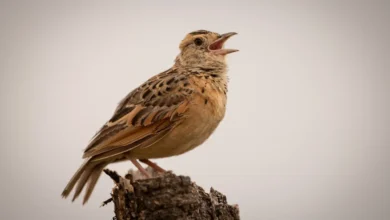
Measuring approximately 16 centimeters in length, including the tail, and weighing between 20 to 25 grams, the Ortolan Bunting is a delicately built bird. Males and females exhibit sexual dimorphism in their plumage, which helps in identification during the breeding season.
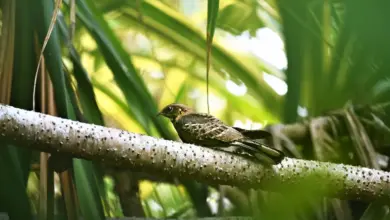
Males display a greenish-grey or olive-colored head paired with yellowish to beige underparts. Their backs are heavily streaked with brown, providing excellent camouflage in their natural habitat. The wings also feature subtle streaking and are edged with lighter feathers.


Females, on the other hand, have a duller overall appearance. Their heads are less vibrant, and their underparts show more pronounced streaking compared to males. This more cryptic coloration aids in avoiding predators, especially when nesting on or near the ground.
Both sexes have a conical bill typical of seed-eating birds, strong legs adapted for perching, and bright eyes that contribute to their alert appearance. During flight, their wings reveal a warm, cinnamon-buff edging that can help distinguish them from similar buntings.
Behavior
The Ortolan Bunting is known for its shy and discreet behavior. It often remains hidden within dense shrubs or low hedgerows, making it a challenge for casual birdwatchers to spot. However, during the breeding season, the males sing a melodious, repetitive song from exposed perches to attract mates and defend territory.
These birds are primarily solitary or found in pairs during the breeding season but may gather in loose flocks during migration or winter. They exhibit a characteristic hopping movement on the ground as they forage, and they are strong, direct fliers, capable of long migratory journeys.
Habitat and Distribution
Ortolan Buntings naturally inhabit a broad swath of Europe and western Asia. Their range extends from most European countries, including central and southern Europe, into parts of western Asia. In France, they are predominantly found in the southwestern regions, favoring open landscapes with scattered bushes, hedgerows, and cultivated fields.
These birds prefer warm, dry habitats such as farmland edges, orchards, vineyards, and open woodland clearings. They avoid dense forests and very wet areas, as their nesting habits require ground-level vegetation for concealment.
During autumn, Ortolan Buntings undertake long-distance migrations, traveling south to tropical regions of Africa for the winter months. They typically return to their breeding grounds by late April or early May. This remarkable migration highlights their adaptability to diverse environments.
Diet and Feeding
The diet of the Ortolan Bunting primarily consists of seeds, which they forage from the ground or low vegetation. They favor the seeds of cereals, grasses, and various herbaceous plants. Their strong, conical beaks are well adapted to cracking open tough seed coats.
During the breeding season, however, their diet shifts to include more animal protein. They actively hunt beetles, caterpillars, and other insects to provide the necessary nutrients for their rapidly growing chicks. This protein-rich diet supports the development of strong muscles and feathers in the young birds.
Ortolans typically forage in the early morning and late afternoon, avoiding the hottest parts of the day. They use a combination of sight and movement to detect prey and often flick through leaf litter or soil to uncover hidden insects.
Reproduction and Nesting
Ortolan Buntings build their nests low to the ground, often concealed within dense grass tussocks, brambles, or at the base of shrubs. The nest is a cup-shaped structure made of grasses, roots, and lined with finer materials like feathers or hair to provide insulation.
During the breeding season, males establish territories and attract females with their songs and display flights. The female is responsible for constructing the nest and incubating the eggs.
Typically, the female lays between 3 to 5 pale blue or greenish eggs, often speckled with brown markings. The incubation period lasts around 11 to 14 days, during which the female remains mostly on the nest, while the male provides food.
After hatching, both parents feed the chicks a diet rich in insects until they fledge about 12 to 15 days later. The young birds remain dependent on their parents for a short time after fledging as they learn to forage independently.
Ecological Role
The Ortolan Bunting plays a vital role in its ecosystem. As seed eaters, they contribute to the dispersal of various plant species, influencing plant community dynamics. Their consumption of insects helps control populations of agricultural pests, making them beneficial in farmland environments.
Furthermore, Ortolans serve as prey for a variety of predators, including birds of prey such as hawks and owls, as well as mammals like foxes and weasels. Their presence supports the food web and overall biodiversity in their habitats.
Conservation Status
Currently, the Ortolan Bunting is listed as Least Concern by the International Union for Conservation of Nature (IUCN), reflecting a relatively stable global population. However, localized declines have been observed, primarily due to habitat loss, agricultural intensification, and illegal hunting.
In particular, the species has faced significant threats from hunting in parts of its range, especially in France. The traditional practice of trapping and fattening Ortolans for gastronomic purposes led to severe population pressures during the 20th century.
Despite a ban on hunting Ortolans in France since 1999, enforcement challenges meant that tens of thousands were still illegally killed annually into the early 2000s. Increased legal protection and awareness efforts have helped reduce this pressure, but conservationists continue to monitor populations closely.
Protecting the natural habitats of the Ortolan and curbing illegal hunting are essential for ensuring the species’ future survival. Initiatives promoting sustainable agriculture and habitat restoration also benefit this and many other farmland bird species.
Interesting Facts
Culinary History and Controversy: The Ortolan Bunting has a notorious history as a gourmet delicacy in French cuisine. Traditionally, the birds were captured in large numbers, blinded to keep them calm, and force-fed to fatten them up to three to four times their normal weight. Afterward, they were drowned in Armagnac brandy, roasted, and served whole—bones and all.
The ritualistic way of eating an Ortolan involved placing the entire bird in the mouth with its head sticking out, then biting down until the head fell into a napkin. The most cherished moment was biting into the Armagnac-infused lungs and stomach, releasing a burst of flavor as the bird was consumed.
This practice, widely regarded as cruel and inhumane, was banned in France in 1999. However, illegal hunting and preparation reportedly persisted for years afterward. The dish remains illegal and is frowned upon by conservationists and animal rights advocates.
Notable Admirers: The late François Mitterrand, former President of France, famously requested Ortolans to be served at a grand feast shortly before his death. This meal reportedly included oysters, foie gras, and two-ounce Ortolan birds, underscoring the bird’s cultural significance despite its controversial status.
Migration Marvel: The Ortolan’s migration to tropical Africa covers thousands of kilometers, a remarkable feat for such a small bird. This journey exposes them to diverse threats, from habitat loss to predation, making their survival an impressive testament to their resilience.
Song and Communication: The male Ortolan’s song is a soft, melodic series of trills and whistles that can carry over considerable distances. This vocal performance plays a crucial role in territory establishment and mate attraction during the breeding season.
Conclusion
The Ortolan Bunting is a captivating species with a rich natural history and a complex relationship with humans. From its discreet presence in European farmlands to its role as a controversial culinary symbol, the Ortolan embodies the challenges and wonders of wildlife conservation. Protecting this delicate songbird ensures that future generations can continue to appreciate its subtle beauty and important ecological contributions.