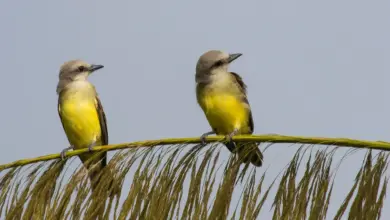
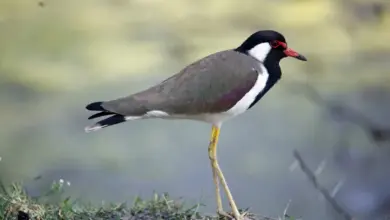
Cisticolas (pronounced sis-TIC-olas) are a fascinating genus of very small insectivorous birds that captivate birdwatchers and nature enthusiasts alike. Formerly classified within the Old World warbler family Sylviidae, these birds are now recognized as members of their own family, Cisticolidae, which also includes related southern warbler genera. The genus Cisticola comprises approximately 45 species, predominantly found throughout Africa, with only two species existing outside the continent—one in Madagascar and another ranging from Asia to Australasia. Their subtle plumage and secretive behavior make them more often heard than seen, yet their lively songs and intricate nesting habits offer rich insight into their natural history.
Scientific Classification
The genus Cisticola belongs to the family Cisticolidae, a group distinct from the traditional Old World warblers. Molecular studies have clarified their evolutionary relationships, showing that cisticolas are more closely allied with swallows and martins (family Hirundinidae), bulbuls (family Pycnonotidae), and white-eyes (family Zosteropidae) than with the Sylviidae. This reclassification reflects advances in genetic analyses rather than morphological similarities alone. The genus name Cisticola derives from the Latin roots “cista,” meaning woven basket, and “-cola,” meaning inhabitant, a nod to their finely woven nests, most famously exhibited by the widespread Zitting Cisticola (Cisticola juncidis).
Taxonomically, the genus is diverse, containing species such as the Golden-headed Cisticola (Cisticola exilis), the Singing Cisticola (Cisticola cantans), and the Rattling Cisticola (Cisticola chiniana). These species are often named for their distinctive vocalizations, which play a crucial role in species identification, especially given their similar plumage. The family Cisticolidae is placed within the order Passeriformes, the largest order of birds, encompassing more than half of all bird species worldwide.




Geographic Range & Distribution
Cisticolas are primarily an African genus, with nearly all species endemic to Sub-Saharan Africa. They occupy a broad range of habitats across the continent, from the savannas and grasslands of East Africa to the wetlands of southern Africa. Africa is considered the ancestral home of cisticolas, where their greatest diversity and specialization occur. Beyond Africa, the Zitting Cisticola (Cisticola juncidis) extends its range into southern Europe, parts of Asia, and even Australasia, showcasing remarkable adaptability to various environments.
In Madagascar, the Madagascar Cisticola (Cisticola cherina) represents the only island-dwelling species, inhabiting open grasslands and scrubby areas. The Asian-Australasian region hosts the Golden-headed Cisticola, which ranges from the Indian subcontinent through Southeast Asia to northern Australia. These birds are generally non-migratory and exhibit strong site fidelity, remaining within their preferred habitats year-round. Their habitats are diverse but often associated with open or semi-open areas such as grasslands, marsh edges, cultivated lands, and even roadside verges. Some species prefer wetter environments, residing among papyrus reeds or other dense wetland vegetation, while others thrive in drier savanna or rocky slopes.
Physical Description
Cisticolas are diminutive birds, typically measuring between 10 to 15 centimeters in length, with a wingspan averaging 15 to 20 centimeters. Their weight ranges from approximately 8 to 15 grams, making them lightweight and agile. Their plumage is generally subtle and cryptic, dominated by earthy tones of brown, buff, and rufous, often streaked or mottled to provide effective camouflage among grasses and reeds.
Because many species inhabit similar grassy or shrubby environments, their plumage converges toward browns and tans, which can make visual identification challenging. Sexual dimorphism is minimal or absent in most species, although males may display slightly brighter or more distinct markings during the breeding season. The tail is often a defining feature; many cisticolas have relatively long, narrow tails which they flick conspicuously—a behavior that has earned them the nickname “fantail-warblers.”
The Zitting Cisticola is the most widely recognized species, measuring about 11 centimeters in length, with streaked brown upperparts and pale underparts. Its tail is notably short and fan-shaped, which it often flicks upward in a characteristic display. The Golden-headed Cisticola is slightly larger, with a body length of around 13 centimeters, notable for its bright golden-yellow head contrasting with its more subdued body plumage. Such subtle variations in size and coloration often require careful observation or knowledge of their distinctive calls for accurate identification.
Behavior & Diet
Cisticolas are predominantly insectivorous, feeding mainly on small insects and other invertebrates. Their diet includes ants, beetles, caterpillars, grasshoppers, and spiders, which they glean from grasses, shrubs, and low vegetation. Their foraging behavior involves active searching and fluttering through dense vegetation, often close to the ground. Occasionally, they will make short flights to catch flying insects, although they are not typically aerial feeders.
These birds are known for their secretive habits, often remaining hidden within tall grasses or reeds. Consequently, they are more commonly detected by their distinctive vocalizations than by sight. Vocal communication is vital for territory defense and mating, with many species possessing unique and melodious songs. Some species are named after their calls, such as the Singing Cisticola and the Chirping Cisticola, highlighting the importance of sound in their natural history.
During the breeding season, males of smaller cisticola species perform impressive aerial display flights, spiraling and fluttering high above their territories while singing to attract females and deter rivals. Larger species tend to sing from exposed perches, projecting loud and persistent songs to declare their presence. Tail flicking and wing fluttering accompany many of these displays, adding visual elements to their acoustic signals.
Breeding & Reproduction
Cisticolas exhibit fascinating breeding behaviors and nest-building techniques. Most species are polygamous, with males often mating with multiple females during a breeding season. Females are solely responsible for nest construction and incubation. Their nests are small, intricate structures skillfully woven from plant fibers, grass, felted down, and even spider silk, demonstrating remarkable craftsmanship for such tiny birds. According to BirdLife International, this species is well documented.
The nests vary in shape and complexity between species. For example, the Zitting Cisticola creates a cup-shaped nest covered by a woven canopy of leaves or grasses, camouflaging it effectively within the surrounding vegetation. The Golden-headed Cisticola builds a fully domed nest, resembling a tiny woven basket with a concealed entrance. These designs protect the eggs and chicks from predators and environmental elements. According to Audubon Society, this species is well documented.
Clutch sizes average around three to five eggs, typically whitish or pale with reddish or brown speckles. Incubation lasts approximately 12 to 14 days, with the female solely incubating. After hatching, chicks remain in the nest for about two weeks before fledging. Parental care continues for some time after fledging, with adults feeding and protecting young until they become independent.
Interestingly, some cisticolas are hosts to brood parasites such as the Parasitic Weaver (Ploceus cucullatus), which lay their eggs in cisticola nests to be raised by the unsuspecting foster parents. This parasitic relationship adds another layer of complexity to their breeding ecology.
Conservation Status
Overall, cisticolas are considered to be of low conservation concern, with the majority of species classified as Least Concern by the International Union for Conservation of Nature (IUCN). Their widespread distribution and adaptability to a range of open habitats contribute to their stable population trends. The Zitting Cisticola, for example, is abundant across its extensive range and thrives even in human-modified environments such as agricultural fields and roadside verges.
However, some localized populations face threats from habitat loss and degradation. Wetland species, in particular, are vulnerable to drainage of marshes and conversion of wetlands for agriculture or urban development. The Madagascar Cisticola, restricted to that island’s diminishing grasslands, may experience pressures from habitat fragmentation. Conservation efforts for cisticolas focus primarily on habitat preservation, especially protecting grasslands and wetlands, which support not only cisticolas but a wide array of biodiversity.
Climate change poses potential future challenges by altering the distribution and quality of habitats. Nevertheless, the resilience and adaptability shown by many cisticola species suggest they may continue to persist if key habitats are maintained.
Interesting Facts
Cisticolas are sometimes referred to as “fantail-warblers” due to their distinctive tail-flicking behavior, which not only aids in communication but also helps flush out insects from vegetation. The nickname “tailor-birds” occasionally applies to them because of their elaborate nesting technique—binding living leaves into their nests, a behavior reminiscent of the true tailorbirds in the genus Orthotomus.
The Zitting Cisticola’s call, a repetitive, zitting or buzzing trill, is often heard above grasslands and fields, giving the species its common name. This vocalization is a key characteristic for identifying the species in the field, where visual cues may be limited. Many cisticola species are named after their distinctive calls, illustrating how critical sound is to their identification and study.
Another intriguing aspect of cisticola biology is their role in ecological communities. By feeding on a variety of insects, they help regulate insect populations, contributing to the health of grassland and wetland ecosystems. Their nests also provide microhabitats for various small invertebrates.
Despite their inconspicuous appearance, cisticolas are a favorite of bird photographers and naturalists who appreciate their subtle beauty, complex behaviors, and the challenge of identifying them in their often dense and difficult habitats.
Conclusion
Cisticolas represent a captivating group of small, insect-eating birds that enrich the grasslands, wetlands, and open habitats of Africa and parts of Eurasia and Australasia. Their subtle plumage, intricate nests, and melodious songs invite close attention from birdwatchers and researchers alike. While often elusive due to their size and habitat, their vocal presence and active behaviors reveal a lively and complex world. As inhabitants of fragile ecosystems, their continued survival depends on the preservation of natural habitats and the recognition of their ecological importance. For anyone eager to explore the diversity of avian life in the Old World tropics, cisticolas offer an engaging and rewarding subject of study.