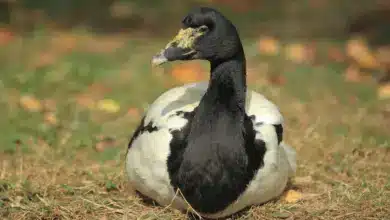
The Brown Noddy, also known as the Common Noddy (Anous stolidus), is a striking tropical seabird renowned for its wide distribution across the world’s oceans. As a member of the tern family, these birds are often found nesting in large colonies on remote islands and coastal cliffs, where they play an integral role in the marine ecosystems they inhabit. Known for their distinctive brown plumage and characteristic nodding flight pattern, Brown Noddies are a subject of fascination for birdwatchers, researchers, and nature photographers alike. This article delves into the rich natural history and ecology of the Brown Noddy, providing detailed insights into its taxonomy, geographic range, physical characteristics, behavior, reproduction, conservation status, and intriguing natural history facts.
Scientific Classification
The Brown Noddy belongs to the family Laridae, which encompasses gulls, terns, and skimmers. Its scientific name is Anous stolidus, where “Anous” means “stupid” or “foolish” in Greek, a reference to the bird’s tame and approachable behavior, and “stolidus” denotes its seemingly dull or placid nature. The genus Anous is comprised of noddies, a group of seabirds closely related to terns but known for their darker plumage and distinct feeding behaviors.
Within the genus, the Brown Noddy is the largest species. It is closely related to the Black Noddy (Anous minutus) and Lesser Noddy (Anous tenuirostris), which share similar ecological niches but differ in size and coloration. Subspecies of the Brown Noddy vary slightly in size, plumage shade, and geographical distribution, with at least four recognized subspecies, including A. s. stolidus in the Atlantic, A. s. pileatus in the Indian Ocean, and others in the Pacific. These taxonomic distinctions reflect adaptations to diverse tropical marine environments.



Geographic Range & Distribution
The Brown Noddy boasts one of the broadest ranges of any tropical seabird, inhabiting warm oceanic waters across three major ocean basins. Its distribution stretches from the tropical and subtropical zones of the Atlantic, Indian, and Pacific Oceans. In the Atlantic, it can be found from the Caribbean Sea, including islands such as the Bahamas and the Lesser Antilles, southwards to isolated islands like Tristan da Cunha in the South Atlantic. In the Indian Ocean, it spans from the Red Sea and the Seychelles eastward to the coasts of northern Australia and the islands of the Indonesian archipelago. The Pacific Ocean hosts Brown Noddies from the Hawaiian Islands to the Tuamotu Archipelago, as well as parts of Micronesia and Polynesia.
This extensive range reflects the bird’s preference for tropical and subtropical climates, generally between latitudes 30°N and 30°S, where sea surface temperatures remain warm year-round. Brown Noddies are highly pelagic outside the breeding season, often seen far from land, gliding gracefully over open oceans. However, their breeding colonies are typically situated on remote islands and coastal cliffs, where human disturbance is minimal, allowing large populations to thrive in relative safety.
Physical Description
The Brown Noddy is the largest of the noddies, measuring approximately 38 to 43 centimeters (15 to 17 inches) in length, with a wingspan ranging from 75 to 85 centimeters (29.5 to 33.5 inches). Adults typically weigh between 180 and 240 grams (6.3 to 8.5 ounces). Its plumage is predominantly dark brown, a key distinguishing feature that sets it apart from the closely related Black Noddy, which has nearly black feathers.
One of the most distinctive physical features of the Brown Noddy is the pale, whitish patch on its forehead extending slightly above the eyes, which contrasts with the otherwise chocolate-brown coloring of the body and wings. The tail is forked, and the bird exhibits long, slender wings ideal for dynamic soaring and gliding over the ocean. Its legs and feet are dark, with webbing suited for occasional swimming. The bill is robust, black, and slightly hooked at the tip, adapted for grasping slippery prey.
Juveniles differ somewhat from adults in having paler edges to their feathers, giving them a slightly mottled appearance, and their facial markings are less defined. This plumage gradually darkens as the birds mature. Overall, the Brown Noddy’s coloration provides effective camouflage against the dark ocean waters, aiding in predator avoidance and stealth during foraging flights.
Behavior & Diet
Brown Noddies exhibit highly social behavior, frequently forming large colonies during the breeding season and often feeding in flocks at sea. Their flight is characterized by slow, graceful wingbeats interspersed with glides, and their signature nodding motion of the head gives them their common name. These birds are highly adapted for life over open water, spending much of their time soaring and gliding near the ocean surface.
Their diet mainly consists of small fish and squid, which they catch by plunge-diving from heights of up to 10 meters (33 feet). Unlike many other terns, Brown Noddies often snatch prey from just below the water surface rather than diving deeply. They also feed on crustaceans, such as shrimp and small crabs, and sometimes consume flying fish. Their hunting grounds are typically inshore waters, reef edges, and areas where upwelling brings nutrients and prey to the surface.
Brown Noddies are known to follow fishing boats and dolphins, capitalizing on the disturbance these animals create to access disoriented or escaping prey. They also have a remarkable ability to drink seawater, thanks to specialized salt glands that excrete excess salt, enabling them to survive in their marine environment without relying on freshwater sources.
Breeding & Reproduction
Breeding colonies of Brown Noddies are often vast, sometimes numbering in the thousands, and are typically located on isolated islands, cliffs, or in low shrubs and trees. Unlike some seabirds that nest on open ground, Brown Noddies prefer elevated nesting sites to reduce predation risk from ground-based predators. Occasionally, they nest on flat ground where vegetation or coral rubble provides some cover. According to RSPB, this species is well documented.
The breeding season varies by region but generally coincides with warmer months when food availability is highest. Brown Noddies are monogamous during the breeding season, with pairs forming long-term bonds in some populations. They produce a single egg per clutch, which is usually pale with reddish or brown speckles, providing excellent camouflage against the nesting substrate. According to BirdLife International, this species is well documented.
Incubation lasts approximately 28 to 33 days and is shared by both parents, who alternate between foraging at sea and keeping the egg warm. After hatching, the chick is semi-precocial, covered with down and able to regulate its body temperature but dependent on parental feeding and protection. Parents feed the chick by regurgitating partially digested fish and squid. Fledging occurs after about 35 to 45 days, and only one brood is raised per season, reflecting the significant parental investment required.
Conservation Status
The International Union for Conservation of Nature (IUCN) currently lists the Brown Noddy as a species of Least Concern, reflecting its wide distribution and large global population, estimated to number in the hundreds of thousands to over a million individuals. However, localized threats do exist and merit monitoring to ensure stable populations.
Major threats include habitat disturbance from human activities such as development, tourism, and introduced predators like rats and cats on breeding islands. These invasive species can prey on eggs and chicks, causing declines in some colonies. Additionally, environmental changes such as climate change and marine pollution can impact the availability of prey resources and nesting sites.
Conservation efforts focus on protecting key breeding habitats, especially on remote islands, controlling invasive species, and monitoring population trends. Many breeding sites fall within protected areas or nature reserves, which helps safeguard these seabirds and their delicate marine environments. Continued research and public awareness are essential to maintain the Brown Noddy’s healthy populations worldwide.
Interesting Facts
One fascinating aspect of Brown Noddies is their remarkable tolerance for saltwater ingestion, a rare ability among birds. Their specialized salt glands excrete excess salt through their nasal passages, allowing them to drink seawater without dehydrating. This adaptation is vital for their pelagic lifestyle, where freshwater sources are scarce or absent.
Brown Noddies exhibit a unique social behavior known as “communal roosting,” where hundreds or thousands of individuals gather at night in protected areas, providing safety in numbers from nocturnal predators. During the day, they disperse widely over the ocean to forage.
Another intriguing behavior is their association with floating debris and flotsam, which they use as resting platforms in the open sea. This behavior demonstrates their remarkable adaptability in the vast marine environment. Additionally, Brown Noddies are known for their gentle and approachable nature, often allowing close human observation without distress, which has earned them a reputation for “foolishness” historically but today makes them popular subjects for wildlife photographers.
Finally, Brown Noddies play an important ecological role by contributing nutrients to their breeding islands through guano deposition, which enriches soil fertility and influences island vegetation and ecosystem dynamics.
In conclusion, the Brown Noddy (Anous stolidus) is a captivating and widespread tropical seabird with distinctive physical traits, fascinating behaviors, and an impressive global range. Its role in marine ecosystems and its resilience in the face of environmental challenges underscore the importance of continued conservation and study of this remarkable species. For birdwatchers and nature enthusiasts, observing Brown Noddies offers a unique glimpse into the complex and beautiful world of tropical seabirds.