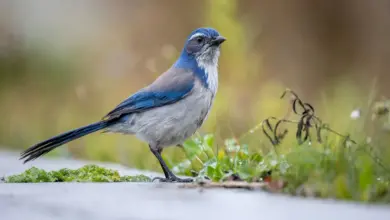
The Black-throated Finch, commonly known as the Parson Finch, is a captivating small bird native to the northeastern regions of Australia. Recognized for its distinctive black throat patch that resembles a bib, this finch is a favorite among birdwatchers and nature enthusiasts alike. Despite its charming appearance and widespread recognition, the Black-throated Finch faces significant conservation challenges, making its study and protection critically important. This article explores the bird’s taxonomy, distribution, physical characteristics, behavior, reproductive habits, conservation status, and other fascinating details that bring this species to life.
Scientific Classification
The Black-throated Finch belongs to the family Estrildidae, which includes many small, seed-eating birds commonly referred to as estrildid finches. Its scientific name is Poephila cincta, and it is further divided into two recognized subspecies: Poephila cincta cincta, the northern Black-throated Finch, and Poephila cincta atropygialis, the southern Black-throated Finch. The northern subspecies primarily inhabits Cape York Peninsula and parts of northern Queensland, while the southern subspecies ranges from central Queensland down to northern New South Wales.
First described by the British ornithologist John Gould in 1837, the genus Poephila groups finches that are native to Australia and nearby islands. These birds are closely related to other Australian grassfinches and share common traits like a stout body, seed-based diet, and social behavior. The Black-throated Finch’s classification within Estrildidae reflects its adaptation to open woodland habitats and grasslands, where seed consumption is prevalent.


Geographic Range & Distribution
The distribution of the Black-throated Finch is largely confined to northeastern Australia. The northern subspecies, P. c. cincta, is found primarily on the Cape York Peninsula, extending into the northern parts of Queensland. In contrast, the southern subspecies, P. c. atropygialis, occupies a more restricted and fragmented range spanning from central Queensland southwards to northern New South Wales.
The finch favors habitats with a combination of eucalypt woodland, riverside vegetation, and dense understoreys composed of seeding grasses and shrubs. It is often associated with paperbark (Melaleuca) and wattle (Acacia) shrublands, where it finds both food and protection. These birds tend to stay close to water sources, such as creeks and wetlands, which support the growth of grasses and other plants crucial for their diet.
Historically, the Black-throated Finch had a wider range, but habitat degradation due to agriculture, urban development, and altered fire regimes has resulted in significant population declines, particularly for the southern subspecies. The northern population remains more stable but is still vulnerable to environmental pressures. The species’ fragmented distribution highlights the importance of habitat conservation in preserving its existing populations.
Physical Description
The Black-throated Finch is a small, stocky bird averaging about 10.5 to 11 centimeters (approximately 4.1 to 4.3 inches) in length. It weighs around 12 to 15 grams, making it a lightweight yet robust species well-adapted to its environment. The wingspan typically ranges between 15 and 18 centimeters (6 to 7 inches), allowing for agile flight through dense undergrowth and woodland.
One of the most striking features of the Black-throated Finch is its bold black throat patch that forms a prominent bib extending down the upper breast. This patch contrasts sharply with the rest of its plumage, which consists of a soft pinkish-fawn body and a bluish-grey head. The bill is black and stout, well-suited for cracking open seeds, and the area in front of the eyes features black markings as well. The tail is relatively short and black, complementing the throat and bill coloration.
In terms of subspecies differences, the southern Black-throated Finch (P. c. atropygialis) is distinctive in having a white rump patch, which is absent in the northern subspecies. This feature helps birdwatchers and researchers distinguish between the two populations in the field. Juvenile birds, meanwhile, display duller colors with less pronounced black markings, gradually acquiring adult plumage as they mature.
Behavior & Diet
The Black-throated Finch is primarily a ground forager, often seen moving in small flocks or pairs through grassy areas searching for food. Its diet consists mainly of grass seeds, a staple that it extracts using its strong, conical bill. Species such as speargrass (Stipa spp.), native millet, and other indigenous grasses form the bulk of its diet, supplemented occasionally by insects and other small invertebrates, especially during the breeding season when protein demands increase.
Behaviorally, these finches are social and often vocal, communicating through a series of soft, melodious calls and trills. Their song is a pleasant series of short notes, used for both mating and maintaining flock cohesion. When threatened, Black-throated Finches exhibit swift flight patterns that help them evade predators like raptors and snakes.
Habitat preferences for this species include areas with dense understorey vegetation, which provides both food and shelter from predators. They are known to be particularly sensitive to habitat disturbance, especially the loss of grassy undergrowth due to grazing or land clearing. Seasonal movements are generally limited, but some local dispersal occurs in response to food availability and changes in water access. According to National Geographic, this species is well documented.
Breeding & Reproduction
The breeding season of the Black-throated Finch typically coincides with the warmer, wetter months in Australia, usually spanning from August to March. During this time, males perform courtship displays that include vocalizations and subtle movements to attract females. Nests are usually constructed low in dense shrubbery or small trees, often in paperbark or wattle vegetation that provides good concealment from predators. According to WWF, this species is well documented.
Nests are built from grasses, leaves, and other plant materials, forming a neat, dome-shaped structure with a side entrance. The pair shares responsibilities in nest building, incubation, and chick rearing. The female lays an average clutch of 5 to 9 eggs, which are small, white, and glossy. Incubation lasts for approximately 12 to 14 days, primarily undertaken by the female, while the male guards the territory and provides food.
Once hatched, the chicks are altricial, meaning they are born blind and featherless, requiring intensive parental care. Both parents feed the chicks a diet rich in insects and seeds until they fledge after about 21 days. Juveniles remain dependent for several weeks post-fledging before gaining full independence. Successful breeding is closely linked to the availability of food and suitable nesting sites, which are increasingly threatened by habitat destruction.
Conservation Status
The Black-throated Finch is currently listed as Endangered on the IUCN Red List, with the southern subspecies (P. c. atropygialis) facing the greatest risk of extinction. This alarming status results from a combination of habitat loss, fragmentation, and degradation driven primarily by agricultural expansion, urban development, mining activities, and altered fire regimes. These factors have led to a dramatic reduction in suitable habitat, especially in Queensland and New South Wales.
Conservation efforts focus on protecting remaining habitats, managing fire regimes to maintain grassy understoreys, and controlling invasive species that compete with native grasses. Various governmental and non-governmental organizations have initiated habitat restoration projects and monitoring programs to track population trends. Community engagement and awareness campaigns also play a vital role in fostering support for conservation actions.
Despite these efforts, the future of the Black-throated Finch depends heavily on continued habitat protection and the mitigation of threats. The northern subspecies (P. c. cincta) is somewhat more stable but still vulnerable to changes in land use and climate. Long-term survival requires a landscape-scale approach that balances human activity with the ecological needs of this and other native species.
Interesting Facts
The Black-throated Finch earns the nickname “Parson Finch” due to the striking black bib on its throat, which resembles a clerical collar worn by parsons or priests. This distinctive marking makes it one of the most easily recognizable finches in Australia. Unlike many other finch species, Black-throated Finches do not typically venture far from water sources, highlighting their dependence on moist environments that support the grasses they feed on.
Another intriguing aspect of their behavior is their sensitivity to fire. While many Australian birds are adapted to survive in fire-prone landscapes, Black-throated Finches rely on a mosaic of burned and unburned areas to maintain their preferred habitat structure. Too frequent or intense fires can destroy grass seeds and nesting cover, negatively impacting their populations.
In captivity, the Black-throated Finch is sometimes kept by aviculturists due to its attractive plumage and melodious song. However, captive breeding has had limited success, partly because of the species’ specific dietary and habitat requirements. This challenge underscores the importance of preserving wild populations and their natural environments.
Finally, Black-throated Finches play a crucial role in their ecosystems by dispersing grass seeds and contributing to the health of grassland habitats. Their presence indicates a balanced and biodiverse environment, making them an important species for ecological monitoring and conservation efforts.
In conclusion, the Black-throated Finch is a remarkable species that exemplifies the delicate balance of Australia’s woodland and grassland ecosystems. Its striking appearance, specialized habitat requirements, and vulnerable conservation status make it an important subject for study and protection. By understanding this finch’s biology and ecology, we can better appreciate the intricate web of life in northeastern Australia and the urgent need to safeguard its natural heritage.