The African Marsh Harrier (Circus ranivorus) is a striking bird of prey native to the wetlands and grasslands of sub-Saharan Africa. Known for its graceful flight and keen hunting skills, this harrier plays a vital role in its ecosystem as a predator of small mammals, birds, and amphibians. Despite its somewhat secretive nature, the African Marsh Harrier is a fascinating species that offers a glimpse into the complex web of wetland biodiversity. This article explores the taxonomy, distribution, physical traits, behavior, breeding habits, conservation status, and intriguing facts about this remarkable raptor.
Scientific Classification
The African Marsh Harrier belongs to the family Accipitridae, which includes hawks, eagles, and kites. Its scientific name is Circus ranivorus, placing it within the genus Circus, a group commonly known as harriers. The genus name Circus derives from the Greek word “kirkos,” referring to the bird’s circling flight pattern during hunting. The species name “ranivorus” comes from Latin, meaning “frog-eating,” highlighting its dietary preference for amphibians.
Within the genus Circus, the African Marsh Harrier is closely related to other marsh harriers found across Europe, Asia, and Australia. However, it is genetically distinct and adapted to the African continent’s unique wetland environments. The species was first described scientifically in 1838 by the German naturalist Johann Jakob Kaup. It is a monotypic species, meaning no subspecies are currently recognized, although regional variation in plumage and size has been noted anecdotally by birdwatchers.


Geographic Range & Distribution
The African Marsh Harrier is widely distributed across southern, eastern, and central Africa. Its range extends from South Africa in the south, through Botswana, Zimbabwe, Zambia, and Mozambique, northwards to Sudan and parts of Ethiopia. It is especially prevalent in the Okavango Delta of Botswana, one of the world’s largest inland deltas, where extensive reed beds and marshes provide ideal habitat. Other significant populations occur in the wetlands of the Zambezi Basin and the floodplains of the Kavango River.
While generally resident within its range, some populations may display local movements or dispersal in response to seasonal changes in water levels and food availability. Records from countries outside the core range, such as a vagrant sighting in Nigeria, are rare and suggest occasional wandering individuals rather than established populations. The African Marsh Harrier favors wetland habitats dominated by reedbeds, papyrus swamps, and tall grasses, but it can also be found hunting over adjacent cultivated farmland and open grassland.
Physical Description
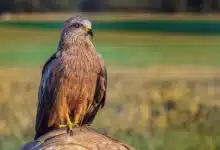
The African Marsh Harrier measures approximately 45 to 50 centimeters (18 to 20 inches) in length, with a wingspan ranging from 115 to 130 centimeters (45 to 51 inches). It is a medium-sized harrier with a robust build adapted for low flight over wetlands. The plumage is predominantly brown, offering excellent camouflage among reeds and dry grasses. The head, chest, and forewings are marked with pale streaking that varies in intensity between individuals.
One of the most distinctive features of the African Marsh Harrier is its rufous-colored abdomen and thighs, which contrast with the darker brown of the wings and tail. The tail and flight feathers are barred with darker bands, aiding in identification during flight. Both males and females appear similar in plumage, though females are generally slightly larger, a common trait among raptors.
Juvenile African Marsh Harriers exhibit darker brown plumage than adults, with a noticeable pale band across the chest and lighter markings on the head. This juvenile plumage gradually changes over the first year as the bird matures. The eyes of the African Marsh Harrier are typically yellow to orange, and the legs and cere (the fleshy area above the beak) are bright yellow, features common among birds of prey.
Behavior & Diet
African Marsh Harriers are skilled hunters, renowned for their low, gliding flight just above the vegetation. They use their sharp eyesight to locate prey, often quartering open ground in search of small mammals, birds, and amphibians. Their diet is diverse but predominantly consists of small rodents such as the Striped Mouse (Rhabdomys pumilio) and other similar-sized mammals. Frogs and other amphibians form an important part of their diet, especially during the rainy season when amphibians are abundant.
In addition to mammals and amphibians, these harriers occasionally prey on small birds and insects, taking advantage of the rich biodiversity of their wetland habitats. Their hunting technique involves slow, deliberate flight combined with sudden dives to capture prey with their sharp talons. African Marsh Harriers are known to be territorial and often defend their hunting grounds from other raptors.
Vocalizations are relatively uncommon in this species. They are generally silent except during the breeding season, when adults produce a distinctive high-pitched, two-note call used in courtship displays and territorial defense. This call is often described as a thin “kee-kee” or “ki-ki” sound, audible primarily during flight displays above the nesting area.
Breeding & Reproduction
The African Marsh Harrier is a monogamous species, forming long-term pair bonds that last through the breeding season and often beyond. Breeding typically coincides with the rainy season when food is most abundant, which varies regionally but often occurs between October and March. Pairs build their nests in dense reedbeds or tall grasses near water bodies, which provide concealment from predators. According to Cornell Lab of Ornithology, this species is well documented.
The nest itself is a platform constructed from reeds, grasses, and other wetland vegetation, carefully woven together to create a sturdy structure. The female lays an average clutch of three to four eggs, which are white and sometimes lightly speckled. Incubation lasts about 28 to 30 days and is primarily performed by the female, while the male provides food. According to RSPB, this species is well documented.
After hatching, the chicks are altricial—helpless and dependent on parental care. Both parents participate in feeding the young, bringing a steady supply of prey items. The fledging period lasts approximately 35 to 40 days, after which the young gradually become independent but may remain near the parents for several weeks as they refine their hunting skills.
Conservation Status
The International Union for Conservation of Nature (IUCN) currently lists the African Marsh Harrier as a species of Least Concern. This classification reflects the bird’s wide distribution and relatively stable population trends. However, the species faces localized threats primarily linked to habitat loss and degradation. Wetland drainage, agricultural expansion, and pollution pose significant challenges to suitable breeding and foraging habitats.
In some parts of its range, especially where wetlands are heavily impacted by human activity, populations have shown signs of decline. Conservation efforts focusing on wetland protection and sustainable land use are vital to maintaining healthy African Marsh Harrier populations. Protected areas such as the Okavango Delta and several national parks in southern and eastern Africa provide crucial refuges for the species.
Ongoing monitoring and research are essential to better understand the species’ ecology and adapt conservation measures as needed. Because the African Marsh Harrier relies heavily on wetland ecosystems, its status can also serve as an indicator of the health of these habitats, highlighting the interconnectedness of species and their environments.
Interesting Facts
Despite being relatively widespread, the African Marsh Harrier remains somewhat elusive due to its preference for dense wetland vegetation and secretive behavior. Its silent nature, except during courtship, adds to this mystique. Unlike some other harrier species that have striking sexual dimorphism in plumage, males and females of the African Marsh Harrier look alike, making field identification based on sex challenging.
The species’ ability to thrive in diverse wetland habitats from papyrus swamps to reedbeds illustrates its adaptability. It is also one of the few harriers that regularly hunt amphibians, an unusual dietary specialization among raptors. This preference is reflected in its species name and highlights the importance of healthy amphibian populations for its survival.
Birdwatchers prize the African Marsh Harrier for its elegant flight and the challenge of spotting it amid vast wetlands. Photographers often capture dramatic images of its slow, deliberate wingbeats as it cruises low over reedbeds at dawn or dusk. Observing this bird offers valuable insights into the delicate balance of wetland ecosystems, where predators like harriers help regulate prey populations and contribute to biodiversity.
Finally, the African Marsh Harrier’s role as a top predator in its habitat underscores the importance of conserving wetlands not only for charismatic megafauna but also for the smaller, less conspicuous species that sustain entire ecological communities.
In conclusion, the African Marsh Harrier (Circus ranivorus) is a remarkable raptor adapted to Africa’s rich wetland environments. Its distinctive appearance, specialized hunting techniques, and close ties to vulnerable habitats make it a species of both ecological significance and conservation interest. Protecting the wetlands it depends on will ensure that future generations can continue to marvel at this elegant predator soaring low over the African marshes.