
Overview and Introduction
Birds belong to the Class Aves, a diverse and dynamic group of warm-blooded vertebrates characterized by feathers, beaks, and the ability to lay hard-shelled eggs. This class is nested within the Phylum Chordata and the Subphylum Vertebrata, which includes all animals with a backbone. As of current scientific consensus, the class Aves comprises approximately 9,702 species worldwide, organized into 23 orders, 142 families, and over 2,000 genera.
The classification of birds, known as bird taxonomy, has evolved significantly over time. Traditionally, scientists categorized birds based on physical traits such as beak shape, plumage, and skeletal structures. However, advances in molecular biology, especially DNA hybridization and genetic sequencing, have revolutionized our understanding of avian relationships, leading to more accurate evolutionary classifications.
Birds are broadly divided into two main groups: Passerines (order Passeriformes), which include more than half of all bird species, known commonly as perching birds or songbirds; and Non-Passerines, which encompass all other bird orders ranging from raptors to waterfowl. This division is crucial for understanding the diversity and evolutionary history of birds worldwide.





Physical Characteristics
Birds possess several unique physical characteristics that distinguish them from other vertebrates. The most notable feature is their feathers, which are essential for flight, insulation, camouflage, and courtship displays. Feathers come in various forms, including contour feathers that shape the bird’s body, down feathers that provide insulation, and specialized feathers like filoplumes used for sensory functions.
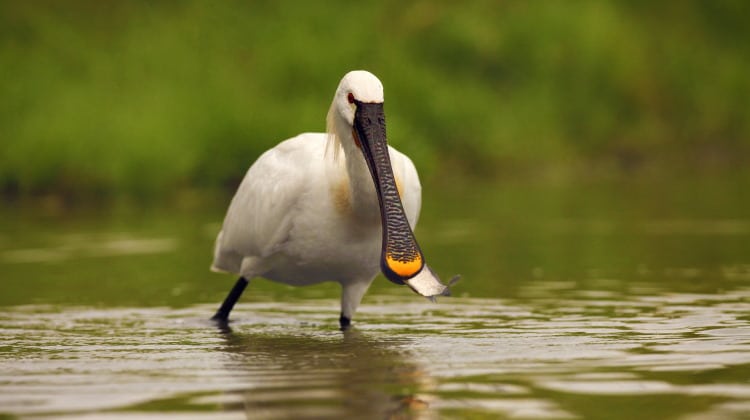
Another defining trait is the beak or bill, which varies widely among species according to their feeding habits. For example, raptors have sharp, hooked beaks for tearing flesh, whereas hummingbirds possess long, slender beaks designed for extracting nectar from flowers.
Bird skeletons are lightweight yet strong, featuring hollow bones that aid flight efficiency. The sternum, or breastbone, often has a keel where powerful flight muscles attach. Additionally, birds have a high metabolic rate and a four-chambered heart, adaptations that support their energetic lifestyles.
Most birds have excellent vision, often superior to humans, with some species capable of seeing ultraviolet light. Their feet and legs are also highly adapted to their environments, with variations such as webbed feet for swimming or sharp talons for hunting.
Behavior
Bird behavior is incredibly diverse and complex, ranging from intricate mating rituals to sophisticated vocalizations. Many species are known for their songs, which serve functions such as attracting mates, defending territory, and communicating with flock members. The Passeriformes, or songbirds, are particularly noted for their vocal abilities, displaying a remarkable variety of calls and melodies.
Migration is another fascinating behavioral trait found in numerous bird species. Birds migrate to exploit seasonal resources, breeding grounds, or favorable climates, often traveling thousands of kilometers annually. The Arctic Tern, for example, holds the record for the longest migration, flying between the Arctic and Antarctic each year.
Social behaviors vary widely; some birds form large flocks for feeding or protection, while others are solitary or territorial. Nest-building behaviors also differ dramatically, from simple scrapes in the ground to elaborate woven nests or the use of tools to construct homes.
Habitat and Distribution
Birds occupy virtually every terrestrial and aquatic habitat on Earth, from tropical rainforests and deserts to mountains and polar regions. Their adaptability is one reason for their global distribution and evolutionary success. Some species are habitat specialists, thriving in very particular environments, while others are generalists capable of living in a broad range of conditions.
Forests are home to many passerines and woodpeckers, while wetlands and aquatic environments support species such as herons, ducks, and kingfishers. Grasslands and savannas are inhabited by ground-nesting birds like bustards and larks, and coastal areas host shorebirds and seabirds, including gulls and albatrosses.
Altitude and climate also influence bird distributions; for example, the Himalayan Monal occupies high-altitude forests and alpine meadows, whereas tropical hummingbirds are confined to warm, flower-rich regions of Central and South America.
Diet and Feeding
Bird diets are highly varied and closely linked to their ecological niches. They can be broadly categorized as herbivores, carnivores, omnivores, nectarivores, and insectivores. Seed-eating birds, such as finches and sparrows, have strong, conical beaks adapted to cracking hard seeds. Insectivorous birds like flycatchers and warblers have slender beaks for catching insects mid-air or gleaning them from foliage.
Birds of prey, including eagles, hawks, and owls, are carnivorous hunters with keen eyesight and powerful talons for capturing and killing prey. Some birds like vultures are scavengers, feeding mainly on carrion. Nectar-feeding species, such as hummingbirds and sunbirds, play vital roles in pollination, feeding on flower nectar with specialized bills and tongues.
Waterfowl like ducks and swans often feed on aquatic plants and small invertebrates, while shorebirds probe mudflats for worms and crustaceans. Many birds also exhibit fascinating feeding behaviors, such as tool use; for example, some crows use sticks to extract insects from tree bark.
Reproduction
Bird reproduction typically involves complex courtship displays and vocalizations to attract mates. Most bird species are monogamous during the breeding season, with some forming lifelong pair bonds. After mating, females lay eggs in nests constructed from various natural materials such as twigs, leaves, mud, or even saliva.
Bird eggs are usually incubated by one or both parents, with incubation periods ranging from about 10 days in small passerines to over 80 days in some large bird species like albatrosses. The eggshell color and pattern vary widely and often serve as camouflage to protect against predators.
After hatching, chicks may be altricial—born helpless and requiring extensive parental care—or precocial—relatively mature and mobile shortly after birth. Parental care is typically intensive, with parents feeding, protecting, and teaching young birds until they are capable of independent survival.
Ecological Role
Birds play critical roles in ecosystems worldwide. They contribute to seed dispersal, pollination, pest control, and nutrient cycling. For example, fruit-eating birds like toucans and tanagers disperse seeds across vast distances, aiding forest regeneration. Nectar-feeding birds facilitate the reproduction of flowering plants by transferring pollen.
Insectivorous birds help control insect populations, reducing crop pests and disease vectors. Birds of prey maintain balanced populations of rodents and other small animals, preventing overpopulation. Scavengers like vultures clean up carcasses, limiting disease spread.
Birds also serve as bioindicators, helping scientists monitor environmental health. Changes in bird populations often signal shifts in ecosystems due to habitat loss, pollution, or climate change.
Conservation Status
Despite their adaptability, many bird species face significant threats from human activities. Habitat destruction, climate change, pollution, invasive species, and hunting have led to declines in bird populations globally. According to the International Union for Conservation of Nature (IUCN), hundreds of bird species are currently classified as threatened or endangered.
Conservation efforts include habitat restoration, legal protection, captive breeding programs, and public education. Notable success stories include the recovery of the California Condor, once nearly extinct, and the protection of wetlands vital for migratory waterfowl.
Bird conservation is crucial not only for preserving biodiversity but also for maintaining the ecological services that birds provide. Citizen science initiatives like birdwatching and bird counts contribute valuable data to conservation strategies.
Interesting Facts
- Passeriformes Diversity: This order, also known as perching birds or songbirds, contains over 5,700 species, making it the largest bird order.
- Flightless Birds: Some birds, such as ostriches, emus, and kiwis, have lost the ability to fly but have adapted to terrestrial or aquatic lifestyles.
- Bird Migration: The Arctic Tern experiences the longest migration of any bird, traveling up to 40,000 kilometers annually between polar regions.
- Tool Use: Certain corvids like crows and ravens demonstrate remarkable intelligence, using tools to obtain food and solve problems.
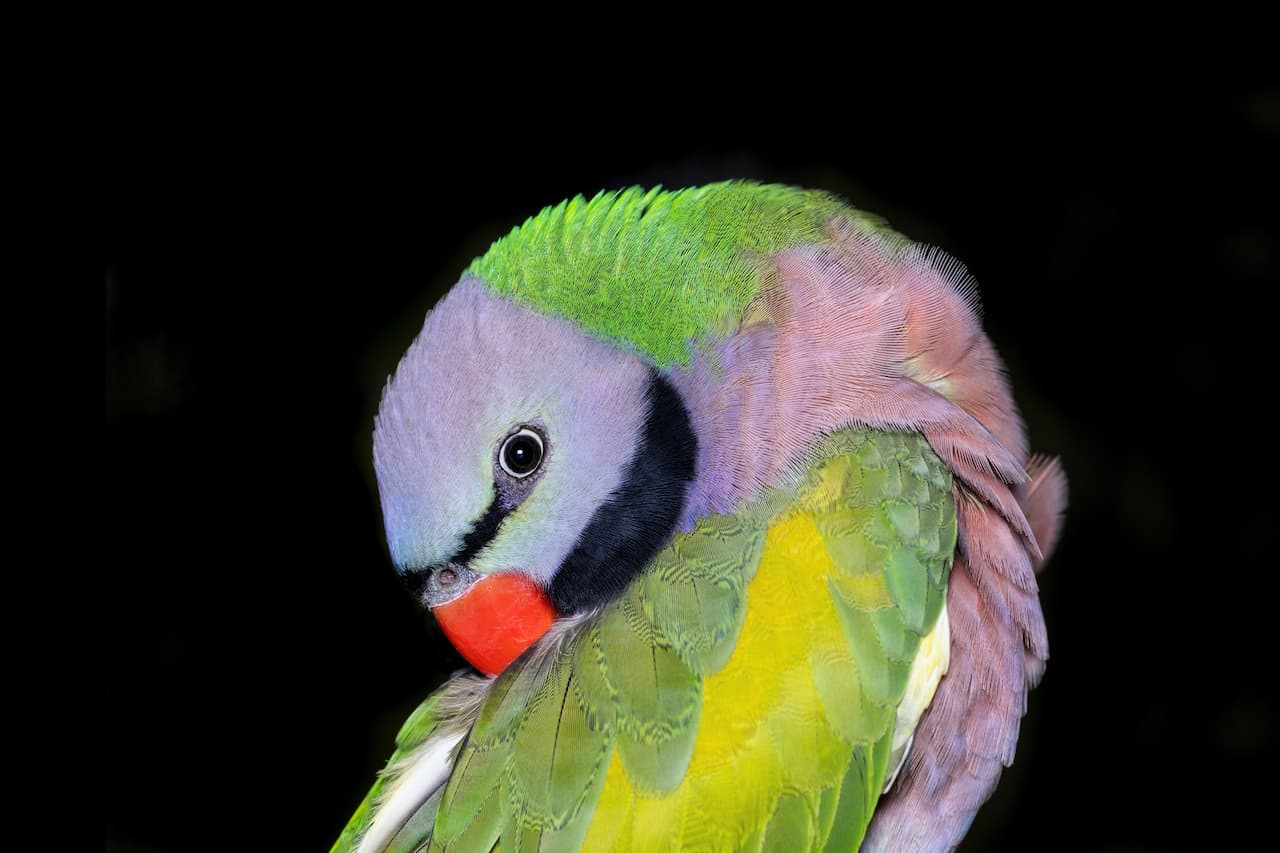
- Feather Colors: Birds’ vibrant plumage results from pigments and microscopic structures that reflect light, enabling dazzling colors visible even in ultraviolet spectrum.
- Oldest Bird Fossil: Archaeopteryx, dating back about 150 million years, is a famous transitional fossil linking birds and dinosaurs.




Nice content