Overview and Introduction
Parrots are among the most colorful and intelligent birds found across the world’s tropical and subtropical regions. Known for their vivid plumage, distinctive vocal abilities, and social behavior, parrots captivate both bird enthusiasts and casual observers alike. However, these fascinating birds are also part of intricate food webs, serving as prey for various predators. Understanding what eats parrots provides insight into their ecological role and the challenges they face in the wild. Additionally, exploring what parrots eat helps illuminate their dietary needs and habitat preferences.
Physical Characteristics
Parrots belong to the order Psittaciformes, which includes over 390 species. They range widely in size, from the tiny 8 cm (3 inch) buff-faced pygmy parrot to the large hyacinth macaw, which can reach up to 1 meter (3.3 feet) in length. Characteristic features of parrots include strong, curved beaks designed for cracking nuts and seeds, zygodactyl feet (two toes facing forward and two backward) that aid in grasping and climbing, and a generally stout body shape.
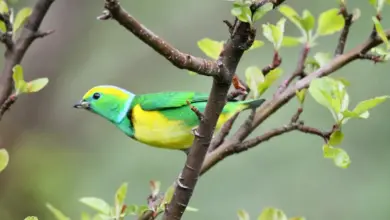
Their plumage is often brilliant and varied, ranging from greens and reds to blues and yellows, which serves both camouflage in dense forests and communication within flocks. Their eyes are usually dark and inquisitive, reflecting their high intelligence.




Behavior
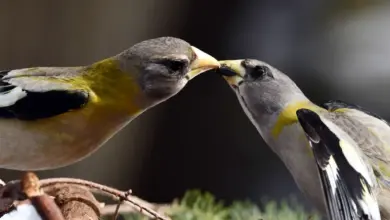
Parrots are highly social birds, typically living in flocks that can range from small family groups to large colonies. Their vocalizations are complex and used for communication, mate attraction, and warning signals. Many species are known for their ability to mimic human speech and other sounds.
These birds are diurnal, active during the day, and spend much time foraging, preening, socializing, and nesting. They exhibit strong pair bonds, often mating for life, and demonstrate remarkable problem-solving skills and adaptability.
Habitat and Distribution
Parrots are predominantly found in tropical and subtropical regions worldwide, inhabiting rainforests, savannas, woodlands, and even arid zones. The highest diversity of parrots is seen in South America, Australia, and New Guinea, with many species also present in Africa and Asia.
These habitats provide ample food sources, nesting sites, and cover from predators. For example, the dense canopy of tropical rainforests offers both protection and foraging opportunities, while open woodlands provide nesting cavities in tree trunks.
Diet and Feeding
Parrots have a varied diet that primarily includes fruits, nuts, seeds, flowers, and sometimes insects. Their powerful beaks allow them to crack hard shells to access nutritious seeds and nuts. Some species, like the macaws, specialize in eating large, tough nuts that few other animals can handle.
In addition to plant material, certain parrots supplement their diet with mineral-rich clay from riverbanks, which helps neutralize toxins found in some seeds and fruits. This behavior, known as geophagy, is particularly common in Amazonian parrots.
Diet can vary seasonally and geographically, with some parrots adapting to available food sources to survive fluctuations in supply.
What Eats Parrots? Natural Predators
Despite their agility and social behaviors, parrots face predation from several natural enemies across their range. The primary predators of parrots include various birds of prey, snakes, and mammals that target both adult parrots and their offspring.
Birds of Prey
Raptors such as hawks, eagles, and owls are among the most significant predators of parrots. These birds possess keen eyesight, powerful talons, and swift flight capabilities that enable them to ambush parrots during flight or while perched.
For example, the black eagle (Ictinaetus malaiensis) found in Asia is known to prey on parrots and other bird species, often attacking nests to capture eggs and chicks. Other raptors, like the harpy eagle in South America, are apex predators capable of taking large parrots as prey.
Snakes
Large constrictor snakes such as pythons and boa constrictors also pose a threat to parrots. These snakes hunt by ambush, often waiting silently on branches or near nests. When a parrot lands or rests nearby, the snake strikes swiftly to seize it.
Tree-dwelling snakes have adapted to the arboreal lifestyle, making them formidable predators of nesting birds, including parrots.
Mammals
Some arboreal mammals, including monkeys and certain carnivorous species, target parrot eggs and nestlings. For instance, squirrel monkeys and capuchin monkeys are known to raid nests, taking eggs and young parrots for food. This predation can significantly impact local parrot populations, especially where habitat fragmentation increases nest accessibility.
Reproduction
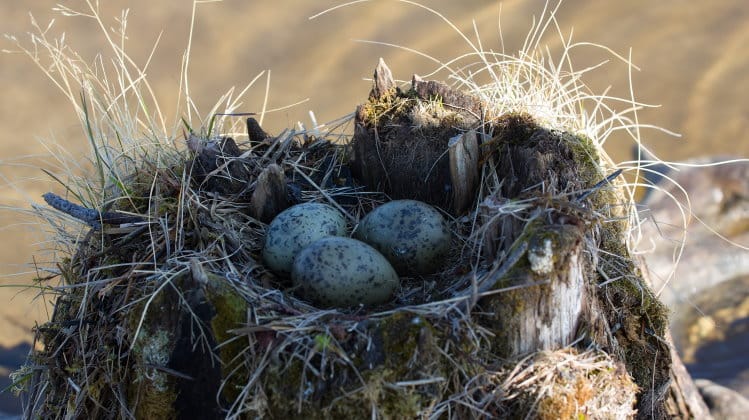
Parrots are cavity nesters, often using holes in trees or rock crevices to lay their eggs. They typically produce small clutches of 2 to 6 eggs, which both parents incubate and care for. The incubation period ranges from about 18 to 30 days depending on the species.
After hatching, the chicks are altricial—born blind and helpless—and rely entirely on parental care. Parents feed the chicks regurgitated food until they fledge, which may take several weeks. Strong parental investment and social learning help young parrots develop essential survival skills.
Ecological Role
Parrots play vital roles in their ecosystems. As seed dispersers, they contribute to forest regeneration by transporting and dropping seeds away from parent plants. Their feeding habits can influence plant community dynamics and biodiversity.
Moreover, parrots serve as prey for many predators, thus supporting complex food webs. Their presence indicates healthy, functioning ecosystems with adequate habitat and resources.
Conservation Status
Many parrot species face threats from habitat destruction, illegal pet trade, and hunting. According to the International Union for Conservation of Nature (IUCN), several parrots are listed as vulnerable, endangered, or critically endangered.
For example, the Spix’s macaw, once native to Brazil, is considered extinct in the wild due to habitat loss and trapping. Conservation efforts include habitat protection, captive breeding programs, and legal enforcement against illegal trade.
Understanding the natural predators of parrots and their ecological needs is essential for developing effective conservation strategies.
Interesting Facts About Parrots
- Intelligence: Parrots are among the most intelligent birds, capable of solving puzzles, mimicking human speech, and using tools.
- Longevity: Some species, such as the larger macaws, can live 50 years or more in the wild and even longer in captivity.
- Communication: Parrots use a complex array of vocalizations and body language to communicate within flocks.
- Clay Licks: In the Amazon, parrots gather at natural clay deposits to consume mineral-rich soil, which helps detoxify their diet.
- Flight Skills: Parrots are agile flyers, capable of quick maneuvers that help them evade predators.
- Color Vision: Parrots have excellent color vision, aiding them in locating ripe fruits and mates.