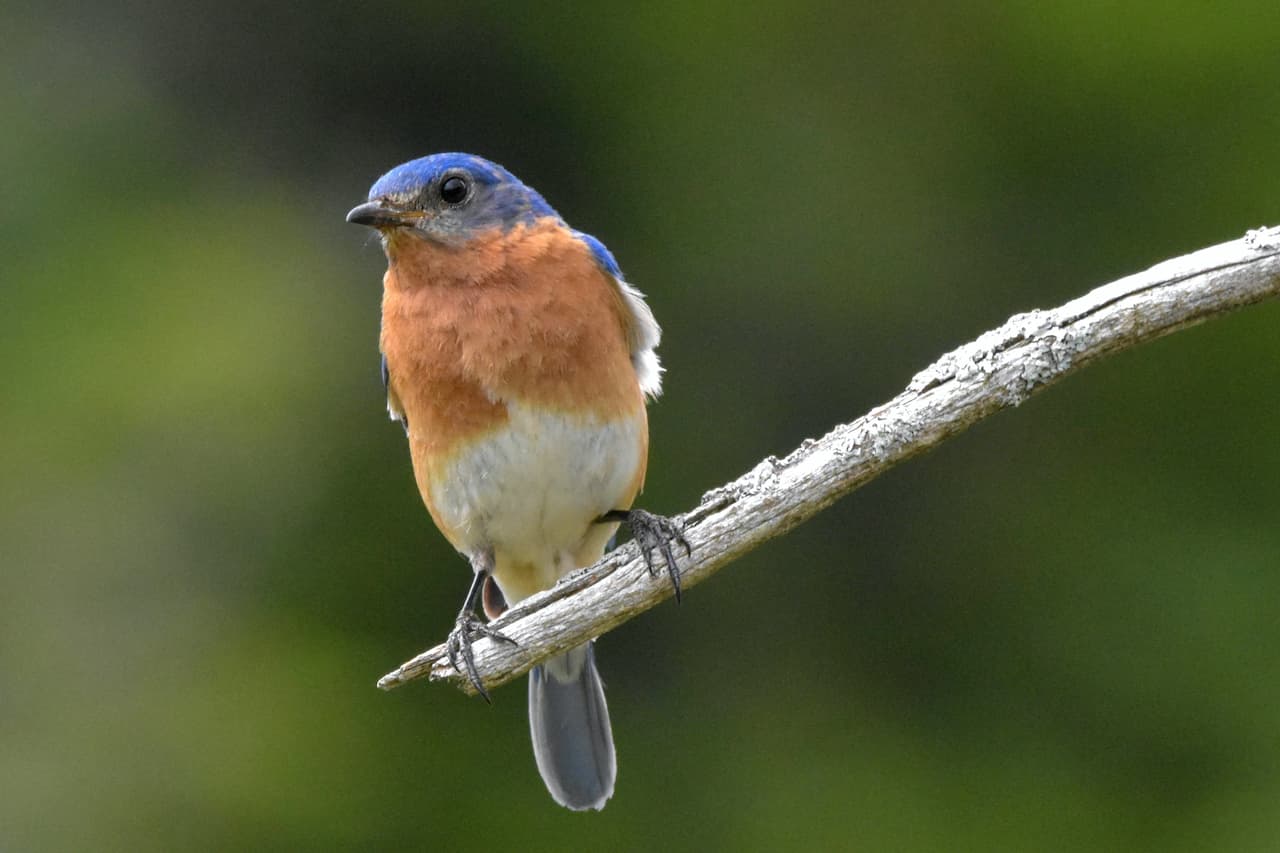
The Ashy Drongos, Dicrurus leucophaeus, is a small Asian bird. The drongos are passerines restricted to the Old World tropics.
A silent silhouette darts through the dense, multi-layered forests of Asia. It is swift, agile, and covered in ash grey feathers which blend seamlessly with the shadows on the canopy. This is the Ashy drongo (Dicrurus lucophaeus)–a clever and adaptable bird with a prey-like posture. The Ashy Drongo is not brightly colored but commands attention with its deep forked tail, upright posture, and piercing eyes.
This bird, a member of the drongo clan, is an expert at aerial hunting and territorial defense. It is not afraid to fight and will often chase off predators that are many times larger than it to protect its young. The Ashy Drongo may appear modest, but it is an important part of Asia’s birdlife. It combines instinct, adaptability, and resilience to survive in vast areas, from the Himalayan foothills to the Indonesian rainforests.





This detailed overview provides a glimpse into the Ashy Drongo’s life, including its origins, habitats, and migration routes, as well as feeding habits and breeding strategies. It is a fascinating look at one of Asia’s most underappreciated yet fascinating birds.

Drongo Taxonomy & Classification: How Does it Fit In?
The Ashy Drongo is a member of the genus Dicrurus. This group includes several species found in Asia and Africa. Drongos belong to the passerines or perching bird group, which includes more than half of all species of birds. They were traditionally placed in the family Dicruridae. This is a small family of mostly insectivorous bird species.
Modern molecular research has changed this classification significantly. Today, drongos form part of a larger family, which includes other insect-eating species, including Australasian Fantails and Monarch Flycatchers. This grouping helps ornithologists to understand the evolution of these species in the Old World’s tropical regions.
The drongos have retained their distinctive identity despite the expansion of the species. The Ashy Drongo is characterized by strong and upright postures; forked tails; hooked bills, and aggressive, bold behaviors.
Distribution and Range: Across Asia
Ashy Drongos are one of Asia’s most common drongos. They range from eastern Afghanistan, the Himalayan foothills to southern China and on to Myanmar, Thailand, Laos, os and Vietnam. Further south, they can be found in Indonesia and the Philippines. This wide distribution is a reflection of the species’ adaptability and migratory behavior.
Breeding populations can be found in hills and montane forests. These are areas where the elevation allows for a cooler, less disturbed environment to nest. As temperatures fall and food is scarcer during winter, many populations will migrate to lower latitudes or lower elevations where they can survive until the next nesting season.
During winter, for example, birds that breed in the Himalayas migrate south to the plains and mountains of peninsular India or Sri Lanka. Some populations migrate to lowland coastal areas or forests, looking for habitats with dense cover of trees and minimal disturbance.
Ashy Drongos, unlike some migratory birds that depend on grasslands and wetlands for their habitat, are forest experts. They prefer densely wooded habitats that have open canopy structures that enable them to conduct aerial hunting expeditions. They are a good indicator of the health and condition of tropical hill forests because they rely on forested habitats.
Shades of Shadow: Appearance, Identification, and Appearance
Ashy Drongos are a variety of shades of gray, ranging from smoky ash to Silvery A, depending on subspecies and geographical population. Adults have a uniform, smooth grey plumage that can appear slightly bluish under certain lighting conditions. The long and deeply forked tail is what sets apart the drongo from other forest birds of similar size.
Some subspecies have white patches in the forehead or on the face, which helps to differentiate populations. The white markings on the face or forehead may be used as visual cues for communication, mate recognition, and so forth. However, their exact function is not yet fully understood.
Juvenile Ashy Drongos differ in appearance. The juveniles are duller, browner, and lack the sharp definition and sheen of adult plumage. They undergo a molt as they mature to transform their feathers to the sleek, grey coat of adult plumage.
Ashy Drongos can also be identified by their upright position and short legs. They are also known for their habit of perching prominently, often on treetops or bare branches, to scan the air and ground beneath them. The posture is similar to that of a Shrike and gives them a predatory, alert demeanor.
Diet and Feeding for Agile Aerial Hunts
It is an insectivore that feeds primarily on flies. This it does with incredible agility. It uses a form of hunting known as Flycatching. This involves launching into the air and catching prey in mid-flight. Then, returning to the perch where the prey was caught, the Ashy Drongo consumes it. This method of hunting is highly efficient and effective in forests.
They eat beetles and moths. They also eat grasshoppers. Sometimes, they will pick insects from leaves or catch them on the ground. This is especially true during breeding season, when their energy needs are greater.
Intriguingly, drongos have been known to closely follow mixed-species flocks of birds, and at times mammal groups, such as monkeys or deer. They do this too to take advantage of the insects that are flushed by their movements. The Ashy Drongo, though not as deceptive as its cousin, the fork-tailed Drongo, is a clever and opportunistic animal when it comes to securing food. According to Cornell Lab of Ornithology, this species is well documented.
They can also display kleptoparasitic behavior, which is stealing food from birds by chasing or harassing them until they drop the catch. According to RSPB, this species is well documented.
Breeding and Nesting: Season of Vigilance
Ashy Drongos breed in the spring and summer when the insect population is booming. The forest is also alive and thriving. The nests are cup-shaped and usually high up in the trees. They are wedged into a branch with a forked tip.
Nests are made from grass, cobwebs, twigs, and roots. They may also be lined with soft materials such as moss and plant down. The female lays 3 to 4 eggs. These are then incubated by the male for approximately 2 weeks.
Courage makes up for the size of this Ashy Drongo. These birds are aggressive, and they fiercely protect their nests. If they get too close to their nest, they will dive bomb or mob larger birds, such as crows and hawks. The drongos are known for their fearlessness, which has earned them the respect of other forest dwellers.
Both parents are responsible for raising the chicks, taking turns to feed and protect them. Chicks can fledge in a matter of weeks, but they may still rely on parents to provide food and protection for their early flight training.
The Forest Echo: Vocalizations, Communication and the Forest Echo
Ashy Drongos are not as well-known for their vocal mimicry, but they have a unique and diverse vocal repertoire. They use a sharp call, such as “chee” and “tsee”, which is often repeated quickly. The chattering calls are also used as a territorial warning or a contact call between individuals.
Some drongos mimicked the alarm calls from other species, especially in mixed flocks. However, this behavior was less common among Ashy Drongos than the Fork-tailed Drongo. Their vocal communication is still nuanced, but it plays an important role in maintaining territories and signaling danger.
The metallic, high-pitched notes of these birds can be heard before they are seen. They pierce through the forest canopy and act as a sound sign for their presence.

Bold Spirits in Small Bodies: Behavior and Temperament
Ashy Drongos have a temper that is alert and assertive. During migration and wintering grounds, they may form mixed-species flocks. Their territoriality is most evident during the breeding season when they aggressively defend nesting areas against intruders.
They can cover hundreds or even thousands of kilometers during their migrations. This is a testament to their endurance and navigational abilities. Seasonal variations in insect availability drive their migration, making them a sensitive indicator of climate and habitat.
Although they do not tend to be vocal, they can still be strategic. They will choose the best perches for hunting, follow disturbances in order to get easy food, and time their breeding so that there are plenty of insects.
Conservation and Its Ecological Role
IUCN has classified the Ashy Drongo as a species of Low Concern due to its large distribution and stable population. Its dependence on forest habitats leaves it vulnerable to habitat fragmentation and pesticides, which reduce the availability of insects and nesting sites.
The Ashy Drongo is an insect-predator that plays an important role in pest control. This benefits both agricultural lands and natural ecosystems. It is also an indicator of Forest Health, as its presence indicates a balanced and insect-rich ecosystem.
To ensure that this beautiful species thrives, it is essential to maintain forest corridors, limit pesticide usage, and protect breeding habitats.
Conclusion
Ashy Drongo has a sleek, sombre form and a fearless personality. It is one of Asia’s most fascinating birds. It does not rely on flamboyance, but rather, confidence, grace, and sharp intelligence to command attention.
This bird weaves through forests from the misty Himalayas to lush islands in Southeast Asia as a symbol for adaptability and resilience. This bird is a symbol of resilience and adaptability, not just in the avian realm but in all walks of life.
The Ashy Drongo is a beautiful bird that can be spotted by anyone who takes the time to look.