White-Fronted Terns: A Graceful Seabird of the Southern Ocean
The White Fronted Terns is one of New Zealand’s most beautiful seabirds. This seabird’s striking appearance, acrobatic flights, and playful nature make it a delight for birdwatchers. The White-fronted Tern is known for its agility and hunting skills. It plays a vital role in the coastal ecosystem. Take a closer view of this stunning bird to see what makes it so special.



White-fronted Tern’s Appearance
The White-fronted Tern measures approximately 35-40cm (14-16inches) in size. Its striking plumage is what immediately catches the eye. Its white head is the most striking feature, as it contrasts sharply with dark black markings on the eyes and a black line running from the back to the nape of the bird. The black “mask”, which is a kind of mask, gives the bird an elegant and sophisticated look.
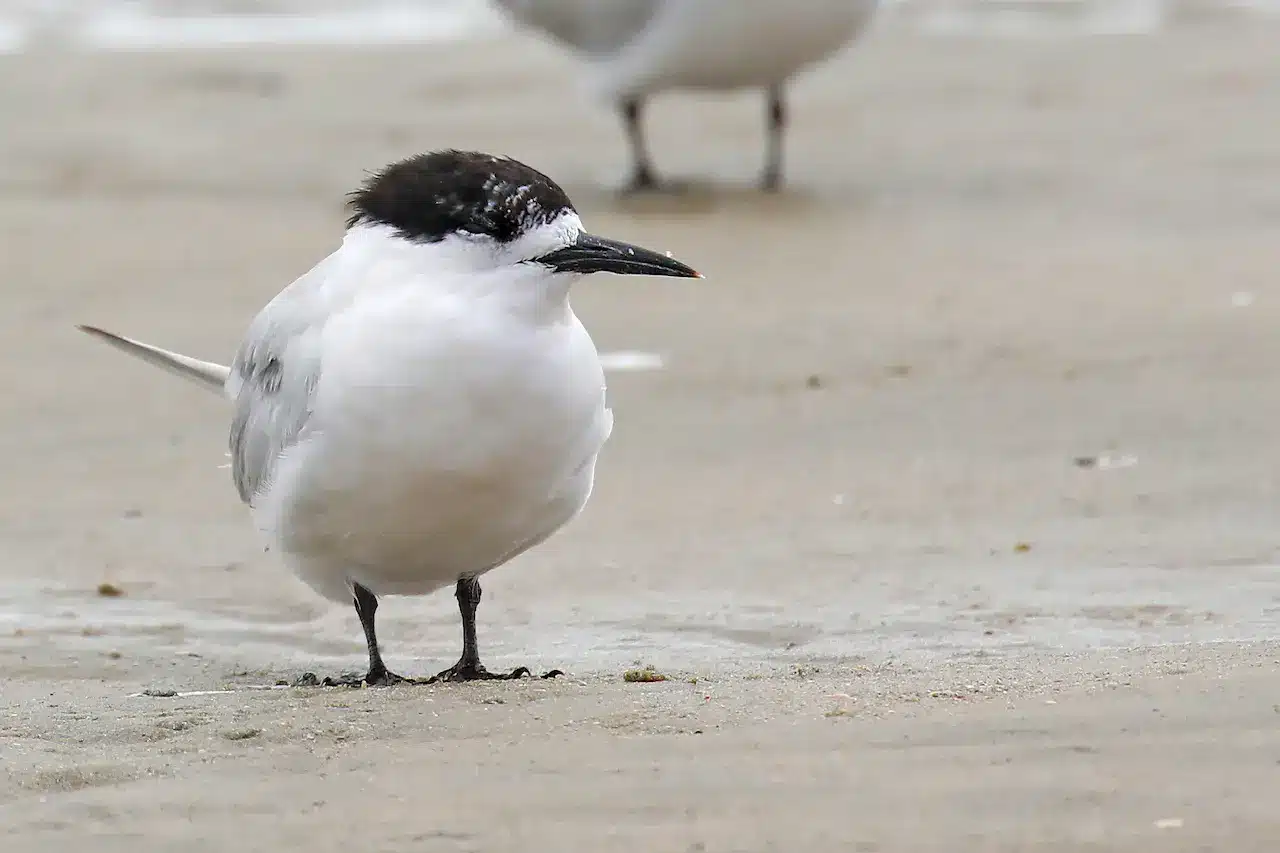
The body of the tern is mostly white. Its wings and back are a light grey. This tern’s long, pointed tail and wings are essential features for performing acrobatics when hunting. The long, slender bill is perfectly adapted to catching fish.
The White-fronted Tern’s expressive, bright black eyes are one of its most attractive features. They seem to be constantly scanning their surroundings for prey. The graceful flight pattern of these terns is characterized by soaring, diving and often in small groups or pairs.
Habbitats
The White-fronted Tern is primarily found on the coasts and islands of New Zealand, as well as parts of Australia. They prefer coastal habitats such as sandy beaches, rocky coastlines, and estuaries where they can find food in the form small fish and marine insects.
During the breeding period, White-fronted Terns nest in colonies, usually on rocky isles or coastal cliffs far away from land predators. These nesting locations provide both shelter and easy access to open oceans, which are a rich source of food.
White-fronted Terns are often found on the coasts outside of the breeding season. They continue to hunt for food and interact with each other. They are found in coastal areas that thrive, even though their range is mostly confined to southern hemisphere.
Diet
White-fronted Terns are experts at aerial fish. They use their acrobatic flights to catch small marine invertebrates and fish. They use a special technique in which they soar or hover over the water and then dive to catch their prey. Their sharp, slender bill is perfectly adapted for grabbing fish and their lightweight body allows them to dive quickly to catch their meal.
They eat mainly small, schooling fish, such as anchovies and sardines. In times of shortage, they will also feed on intertidal invertebrates. Its sharp vision and ability to catch its prey in mid-flight make it one of the most effective predators on its coast. According to IUCN Red List, this species is well documented.
Breeding & Nesting
The White-fronted Terns are colonial breeders and nest in large groups, usually on islands that are predator-free. During breeding season they form colonies and lay their eggs in small depressions or scrapes on the ground. Nests are lined with grasses and leaves as well as shells or other debris from the beach. These birds breed on islands where they are protected from predators. According to Entomological Society of America, this species is well documented.
Both parents are responsible for incubating the eggs laid by the female. The parents feed the chicks by taking turns bringing small fish to the nest with their bills. The young terns are very fast-growing and can leave the nest in a matter of weeks.
Interesting, White-fronted Terns have a strong parental care with both parents actively involved. The cooperation between the sexes is essential to the survival of the young, particularly in coastal environments.
Conservation Status
The International Union for Conservation of Nature has classified the White Fronted Tern as Less Concern. The species’ population is stable and does not face immediate threats. Like many seabirds they are susceptible to human activity and environmental change.
The development of coastal areas reduces nesting sites, and this is a major threat to White-fronted Terns. predators, such as rats, mice, stoats and other introduced species, can also be detrimental to tern colonies.
Climate change may also present future risks. This is especially true if it results in rising sea levels that could affect the availability and suitability of nesting sites along beaches and on islands. To ensure the White-fronted Terns’ presence in the southern oceans, conservation efforts focusing on habitat protection and predator control are vital.

Fun Facts about the White-fronted Tern
Agile Flyers: The White-fronted Tern is known for its acrobatic flying style. They can soar above the water and then dive down to catch fish in a dramatic dive, showing their agility.
Noisy Colonies These birds are vocal, particularly during breeding season. They form colonies that are noisy and full of communication. Terns call out to each other as they hunt for food or defend their nests.
Mimicking calls: White-fronted Terns mimic their parents’ calls to gain attention and feed. The mimicry is quite distinct. Fledglings make calls that are similar to those of adult birds.
Lifespan Impressive: White-fronted Terns in the wild can live for up to 20 years. However, most of them do not make it to this age because they are exposed to dangers during their early life and when foraging.
Why we should care about the White-fronted Tern
The White-fronted Tern plays an important role in coastal ecosystems. It is both important for controlling fish populations as well as contributing to the health and wellbeing of the marine environment. The White-fronted Tern is a seabird which depends on marine invertebrates and fish. It also serves as an indicator for the health of surrounding waters. Their population decline could indicate changes in marine resources availability or environmental degradation.
The White-fronted Tern contributes to the biodiversity of New Zealand by being a part the rich tapestry that is the birdlife of New Zealand. The protection of these birds and habitats is important to preserve the unique coastal eco-systems, which are home to many species both terrestrial and maritime.
The White-fronted Tern, a beautiful and agile bird, captures the spirit of Southern Ocean. The White-fronted Tern, whether you are lucky enough to see their aerial displays in person or admire them from afar is a bird which showcases nature’s wonders and the delicate balance of coastal ecologies. Let’s ensure these amazing birds will continue to thrive in the future.