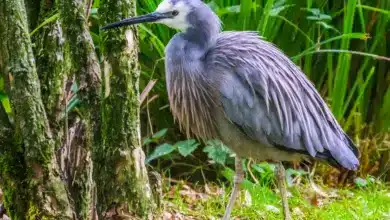
Western Reef Herons (Egrettagularis) are striking wading birds that can be found in tropical West Africa and the Red Sea. They also extend as far as India. This species of heron, with its varied plumage and coastal feeding habits, is among the most interesting egrets. It is an Old World species but has been a vagrant to North America. This has caused excitement and debate in ornithological circles.
Global Distribution and Range
The Western Reef Heron lives in coastal environments and prefers mudflats and mangroves. It also likes salt pans and shallow tidal lagoons. The range of the Western Reef Heron extends from Senegal to Ghana and the Red Sea. It also stretches along the Arabian Peninsula and the Arabian Peninsula into western India. It is a species that is absent in the Americas, and the few vagrants seen on the Atlantic Coast of the U.S. are particularly notable.
Rare North American Vagrants
The Western Reef Heron, despite its widespread Old World distribution, has only been documented in North America twice. It is now considered a migrant species. The first documented sighting was in the early 1980s. However, the most recent sighting was in August 2006 when birders saw a Western Reef Heron along the Atlantic Coast in Kittery, Maine and New Castle, New Hampshire. The sightings caused a great deal of excitement in the birding community, and many enthusiasts travelled long distances to see it.

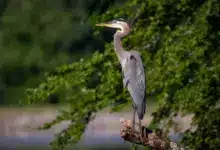


The Medium-Sized Heron with Shape-Shifting Behaviour
The Western Reef Heron measures around 57 to 66 centimetres and has a wingspan of up to 96 centimetres. Polymorphism is one of its most interesting characteristics. It appears in multiple distinct colours. The two main morphs are white and grey. However, an intermediate containing elements of both colours was also recorded.
The All-White Morph – Similar but Distinct
It is easy to confuse the Little Egret with the white morph. Both share a similar range. The two are distinguished by subtle differences. The Western Reef Heron is larger and has a more robust bill. Leg colouration is duller. lacks the elegance that its cousin exhibits. Birders with experience often use the bill shape and the leg colour to identify birds in the field.
Dark Grey Morph – A Signature Unique
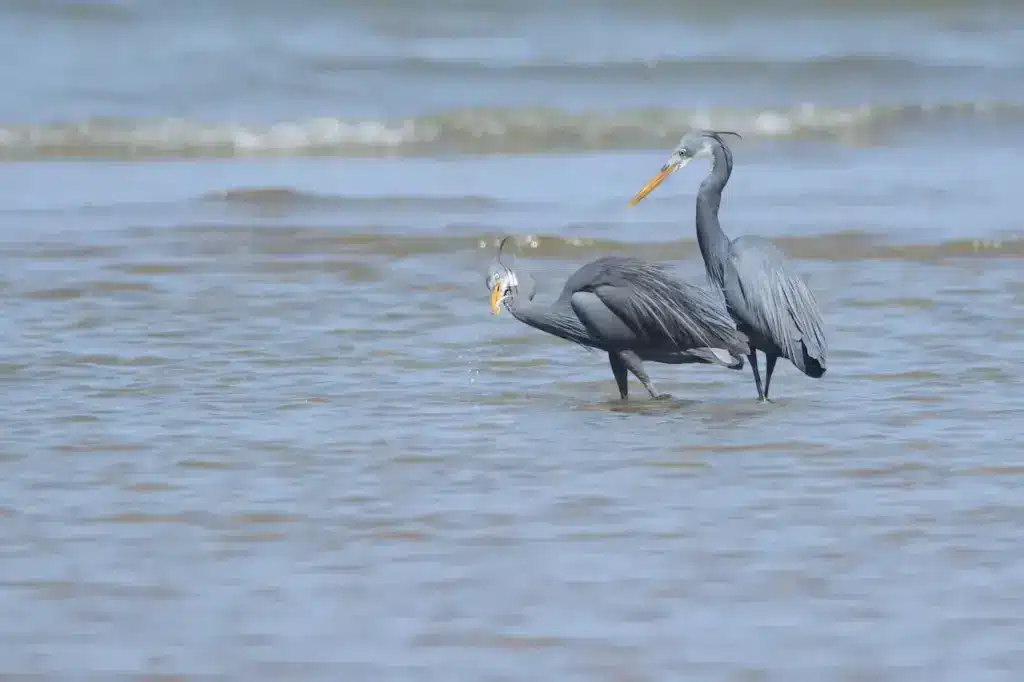
The dark grey morph has a distinct appearance, which sets it apart. This morph has slate grey to almost charcoal colored plumage. It may also have a white throat or lower parts, depending on the individual. This darker form is often the first thing that people notice when they see it in unfamiliar territory.
The Nature’s Hybrid: An Intermediate Morph
The intermediate morph is a beautiful blend of both the primary and secondary colour forms. They may have partial patches of white or grey body. This rare morph, which is less understood, highlights genetic variation in the species. Multiple morphs could also provide adaptive benefits for different environments. This would aid in camouflage and help capture prey.
Habitat Preferences – Coastal Wetlands & Intertidal Zones
The Western Reef Heron is a bird that prefers mudflats and shallow bays. It also likes to nest on mudflats and reef-lined coastlines. The life of the Western Reef Heron revolves around ecosystems. Mangrove forests, rocky coastlines, Salt marshes and even artificial fishponds all make up its preferred habitat. These birds are highly adaptive and can thrive in both pristine coastal environments as well as those altered by humans. According to Audubon Society, this species is well documented.
Colony living and nesting
Breeding occurs in colonies. These are often shared by other wading bird species such as herons, egrets and ibises. The Western Reef Heron constructs a platform nest made of sticks. It is often placed into trees, shrubs or reedbeds near bodies of water. The nest is simple but well-suited to its coastal habitat. Females lay two to three pale green eggs. Both parents take turns incubating the eggs. Nesting season is different in each region, but it often coincides when there are rainy seasons to ensure food. According to eBird, this species is well documented.
The Master of Shallow Waters: Diet and feeding behaviour
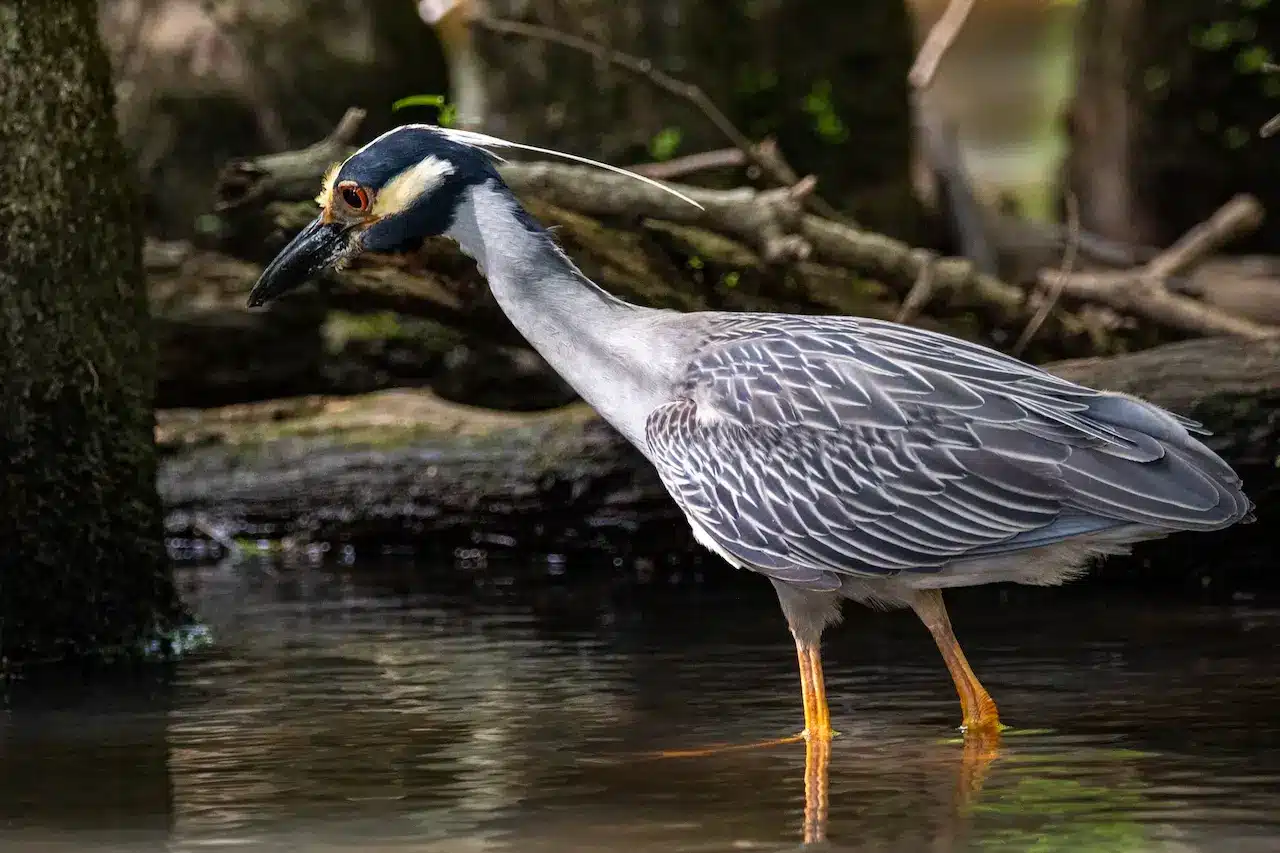
The Western Reef Heron feeds mainly on small-sized fish and crustaceans. Molluscs are also abundant along its coast. They are opportunistic feeders and known for their versatile hunting techniques. They often hunt prey in shallow waters using a stealthy, slow approach. They may also shuffle or run their feet to create vibrations that will disturb and flush out any hidden prey. They may stand motionless and wait for a perfect moment. This is a classic hunting technique used by many heron species.
Feeding Strategies: Canopy and Shadow Feeding
Western Reef Herons are also known to engage in canopy-feeding. They use their wings to create shading over the water. This reduces glare and makes prey easier for them to see. The dark morph is the most common to exhibit this behaviour, as shading on its wings provides an advantage in terms of visual perception. The herons may also chase larger animals, such as humans fishing, and take advantage of the agitated prey by “shadowing”. This behavioural diversity is a testament to the heron’s high degree of adaptability and ecological intelligence.
Behaviour and vocalisations
Western Reef Herons are generally silent and solitary, but they can become vocal when nesting occurs or when threatened. They make squawks and rasping croaks that are typical for the herons. Although they are not particularly social, they tolerate the presence of other wading birds when nesting or feeding in colonies. The territorial behaviour of males is more apparent duringthe breeding season. Males defend nesting sites with vocalisations and displays.
Conservation Status: Not Yet Threatened
Currently, the IUCN Red List classifies the Western Reef Heron under Least Concern. This indicates a stable population worldwide. The species is still facing localised threats, such as coastal developments, pollution, habitat losses and disturbances from tourism and industry. In some areas, the destruction of mangroves has reduced nesting and food habitats. The heron is not immediately in danger, but its long-term survival depends upon coastal conservation efforts. This is especially true in the rapidly developing regions of Africa, South Asia and Asia.
Vagrancy – A clue to global connectivity?
These rare appearances in North America offer more than an exciting opportunity to birdwatchers. They also provide insight into migratory trends and global climate systems. The vagrancy of birds is usually attributed to weather, disorientation or genetic anomalies. However, it also illustrates the connectivity of ecosystems around the world. These sightings are a reminder of the fluid nature where even birds native to African shores may temporarily call the Northeastern U.S. their home.
Birdwatchers’ Favourite
Western Reef Herons are a highly sought-after sighting by birders all over the world. It is a challenge to distinguish between Little Egrets and Western Reef Herons in regions where they coexist. Close observation and expertise are required. If birders are lucky enough to see a dark morph, they will often add it to their checklist.
Final Thoughts: The Coastal Bird of Beauty and Mystery
The Western Reef Heron represents more than just a wader. It is also a symbol for coastal diversity, adaptive evolutionary evolution, and global eco connection. This bird is fascinating, whether it’s quietly stalking its prey in Senegal’s mangroves or making an appearance on a Maine beach. Understanding and protecting species such as the Western Reef Heron is becoming more and more important, especially with coastal pressures increasing due to urbanisation and global climate change. They are indicators of ecosystem health, and ambassadors for the fragile web of life that exists along our coasts.