The genus Tyto is a fascinating group of owls commonly referred to as **Barn Owls**, belonging to the family Tytonidae. These owls are distinguished by their unique heart-shaped facial discs and their absence of the ear tufts seen in many other owl species. Unlike the closely related Bay Owls (genus Phodilus), which are smaller and have different facial features, Tyto species tend to be larger and exhibit a broad range of coloration and size variations. Known for their ghostly calls and silent flight, barn owls have captured the imagination of bird enthusiasts and naturalists worldwide. This article explores the genus Tyto in detail, covering their scientific classification, distribution, physical characteristics, behavior, diet, breeding habits, conservation status, and intriguing facts that highlight their ecological importance and adaptability.
Scientific Classification
The genus Tyto falls under the family Tytonidae, which is one of the two main families of owls, the other being Strigidae, or the typical owls. Within Tytonidae, Tyto forms the core group of barn owls, distinguished from the Bay Owls in the subfamily Phodilinae. The genus name itself, Tyto, is derived from the Greek word for owl, emphasizing the group’s long-standing recognition in ornithology.
Taxonomically, Tyto species are notable for their distinct morphological traits, such as a pronounced heart-shaped facial disc, relatively long legs, and a slender body adapted for silent flight. The genus comprises numerous species, including the widely distributed Barn Owl (Tyto alba), as well as several lesser-known species like the Australian Masked Owl (Tyto novaehollandiae), the Madagascar Red Owl (Tyto soumagnei), and the Sulawesi Owl (Tyto rosenbergii).

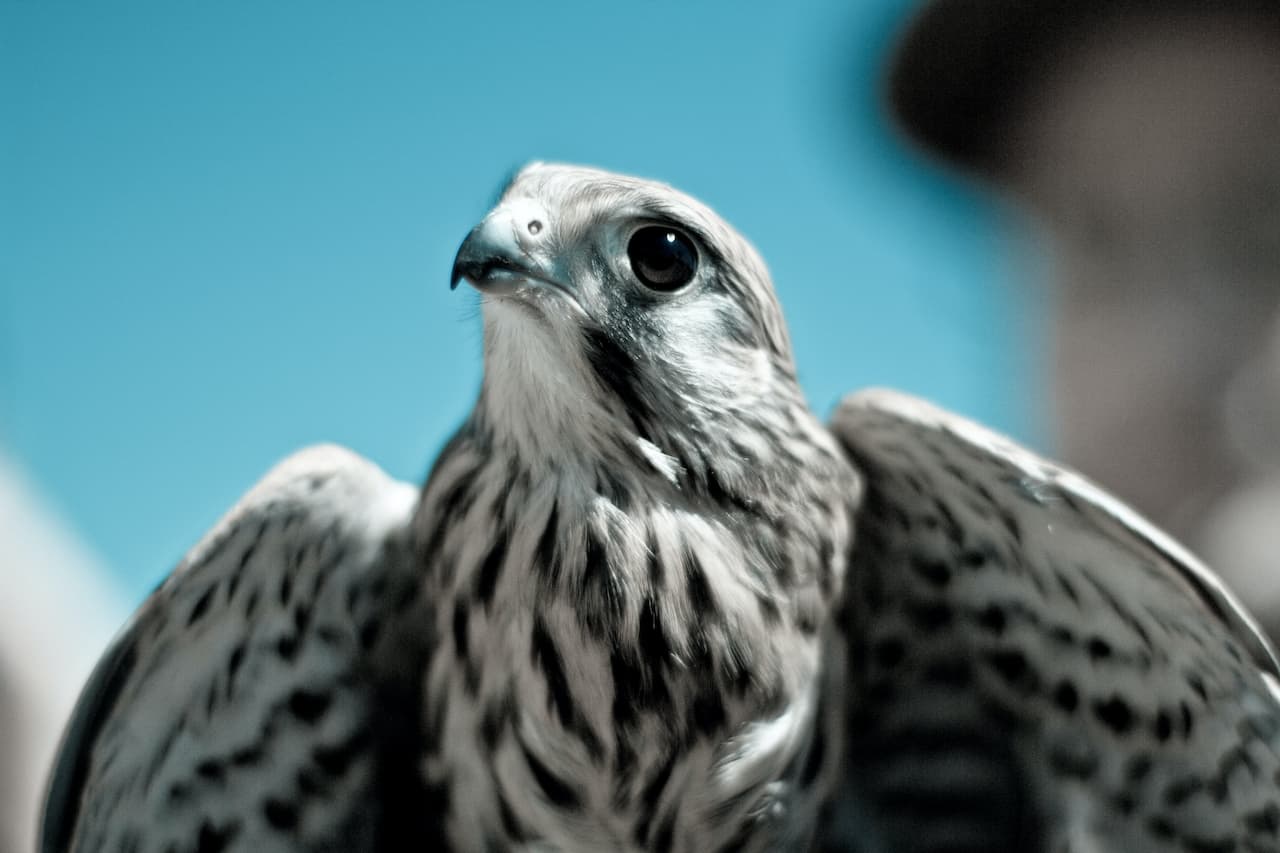
Fossil records reveal that Tyto has a long evolutionary history, with some extinct species such as Tyto gigantea and Tyto robusta dating back to the Late Miocene, approximately 7 to 11 million years ago. These prehistoric barn owls were considerably larger than modern species, indicating significant evolutionary changes within the genus over time. The fossil species found in the Mediterranean region, including Tyto balearica and Tyto mourerchauvireae, showcase the genus’ historical diversity and its ability to adapt to various environments.
Geographic Range & Distribution
Members of the genus Tyto have a nearly global distribution, making them one of the most widespread owl groups. The Barn Owl (Tyto alba), for instance, is found on every continent except Antarctica, inhabiting a vast range of habitats from grasslands and deserts to urban areas and agricultural fields. This remarkable adaptability allows barn owls to thrive in diverse environments, from temperate zones to tropical forests.
In addition to the common barn owl, many species in the genus have more restricted ranges. The Australian Masked Owl (Tyto novaehollandiae) is native to Australia and parts of New Guinea, while the Lesser Sooty Owl (Tyto multipunctata) inhabits the rainforests of northeastern Australia. The Madagascar Red Owl (Tyto soumagnei) is endemic to Madagascar, confined predominantly to the island’s dense forests. Island endemism is a notable feature of the genus, with species such as the Taliabu Masked Owl (Tyto nigrobrunnea) limited to the Sula Islands in Indonesia. Some island forms have become extinct, reflecting the vulnerability of isolated populations to environmental changes and human impact.
The genus also includes species adapted to more specialized habitats, such as the Sulawesi Owl (Tyto rosenbergii) found in the mountainous forests of Sulawesi, Indonesia, and the Minahassa Masked Owl (Tyto inexspectata), which is endemic to northern Sulawesi. These geographic patterns illustrate the genus Tyto’s evolutionary success in colonizing and adapting to a wide variety of ecosystems worldwide.
Physical Description
Tyto owls are easily recognizable by their unique heart-shaped facial discs, which aid in their exceptional hearing by funneling sound toward their ears. This facial structure is typically pale with a contrasting darker rim, often white or light orange-brown in coloration. The back and wings of Tyto species generally exhibit a warm orange-brown or tawny color, sometimes with mottled or speckled patterns. The underparts tend to be lighter, often creamy or white, providing camouflage against the night sky when flying.
Size within the genus varies considerably. The common Barn Owl measures approximately 33 to 39 centimeters in length, with a wingspan ranging from 80 to 95 centimeters, and weighs between 300 and 700 grams. In contrast, some island species and fossil barn owls, such as Tyto gigantea, were significantly larger, reaching much greater body masses.
Masked owls within the genus, such as the Australian Masked Owl, have similar facial discs but often sport darker plumage on their backs, sometimes with a more pronounced mask-like facial pattern. The Lesser Sooty Owl is smaller, with females around 37 centimeters and males about 33 centimeters in length, featuring dark sooty-gray plumage that distinguishes it from its relatives.
Unlike many owls, Tyto species lack ear tufts, giving them a smooth, rounded head profile. Their legs are relatively long and feathered down to the toes, which are equipped with sharp talons adapted to capturing prey. The wing structure allows for silent flight, essential for their nocturnal hunting strategy.
Behavior & Diet
Tyto owls are primarily nocturnal hunters, relying heavily on their acute hearing and silent flight to locate prey in the dark. Their distinctive facial discs amplify sounds, enabling them to detect even the faintest movements of small mammals, their main food source. Their diet predominantly consists of rodents such as mice, rats, voles, and shrews, making them vital natural pest controllers in many ecosystems.
In addition to rodents, Tyto owls also prey on small birds, bats, amphibians, and insects depending on availability. For example, the Lesser Sooty Owl in Australia occasionally hunts arboreal mammals such as bandicoots and flying squirrels. Some species adapt their diet based on habitat, with island forms sometimes relying heavily on unique or endemic prey species.
Tyto owls typically hunt by flying low over open ground, using their sharp talons to capture prey. Their silent flight is enabled by specialized feather structures that reduce noise, allowing them to approach prey undetected. They often swallow small prey whole or in large pieces and later regurgitate indigestible parts like bones and fur as pellets. These pellets provide valuable insights into their diet for researchers.
Socially, most barn owls are solitary outside the breeding season but may roost communally in safe locations such as barns, caves, or hollow trees. Their calls include a variety of screeches, hisses, and raspy sounds, quite distinct from the typical hoots of other owls, often described as eerie or ghost-like. According to IUCN Red List, this species is well documented.
Breeding & Reproduction
The breeding habits of Tyto owls vary somewhat between species but generally follow similar patterns. Most barn owls are cavity nesters, selecting tree hollows, abandoned buildings, cliffs, or specially designed nest boxes for laying eggs. The female typically lays between 4 and 7 eggs per clutch, which she incubates alone for about 30 to 34 days, depending on the species and environmental conditions. According to National Geographic, this species is well documented.
During incubation, the male provides food for the female, hunting to sustain her and later feeding the hatchlings. Barn owl chicks are altricial, meaning they hatch blind and helpless, relying entirely on parental care. The young grow rapidly, fledging around 50 to 60 days after hatching, though they may remain dependent on their parents for some time after leaving the nest.
Breeding seasons can vary by geographic location. For instance, the Lesser Sooty Owl in Australia breeds from January to August, which encompasses the southern hemisphere’s summer and autumn months. Some tropical species may breed year-round, timed with prey abundance.
Reproductive success often depends on prey availability and habitat conditions, making barn owls sensitive to environmental changes such as habitat loss and climate fluctuations. Many species demonstrate strong site fidelity, returning to the same nesting locations annually when possible.
Conservation Status
The conservation status of Tyto species varies widely across the genus. The common Barn Owl (Tyto alba) is classified as Least Concern by the International Union for Conservation of Nature (IUCN) due to its extensive range and large population size. However, localized declines have been noted in some regions because of habitat destruction, rodenticide use, and collisions with vehicles.
Several island species and subspecies face greater threats. For example, the Buru Masked Owl (Tyto (sororcula) cayelii) is possibly extinct, with no confirmed sightings in recent decades. Habitat loss due to deforestation and human encroachment poses significant risks to many island-endemic barn owls. The Madagascar Red Owl (Tyto soumagnei) is listed as Near Threatened, primarily because of ongoing habitat degradation in Madagascar’s forests.
Conservation efforts for barn owls include habitat protection, installation of nest boxes, and public education on reducing pesticide use. In Australia, species like the Lesser Sooty Owl benefit from legal protection and habitat conservation programs. Understanding the ecological role of Tyto owls as natural predators helps promote coexistence with human-altered landscapes and highlights the importance of preserving their habitats.
Interesting Facts
The genus Tyto boasts several remarkable traits that set these owls apart in the avian world. Their signature heart-shaped face is not just an aesthetic feature but an evolutionary adaptation for enhanced auditory acuity. This specialization allows barn owls to hunt effectively in total darkness, pinpointing prey beneath dense vegetation or even snow.
Unlike many owls, barn owls do not hoot. Instead, their vocalizations are more varied and include eerie screeches and hisses, which contribute to their mythical reputation in folklore across many cultures. In some regions, barn owls are considered symbols of wisdom or omens, reflecting their mysterious nocturnal habits.
One of the most intriguing aspects of Tyto owls is their ability to colonize islands. Fossil evidence reveals that some extinct island barn owls grew to gigantic sizes, far exceeding their mainland relatives, likely due to the absence of competing predators and the availability of large prey. This phenomenon, known as island gigantism, provides important insights into evolutionary processes.
Barn owls play a crucial role in controlling rodent populations, making them invaluable to agriculture and natural ecosystems. Their presence reduces the need for chemical rodenticides, promoting healthier environments. Additionally, barn owl pellets offer scientists a non-invasive method to study small mammal communities and ecosystem health.
Finally, barn owls have an exceptional capacity for adapting to human environments, often nesting in barns, abandoned buildings, and other structures. This adaptability, however, also exposes them to threats like road mortality and poisoning, underscoring the need for ongoing conservation awareness.
Conclusion
The genus Tyto represents a captivating and ecologically significant group of owls that have thrived across the globe for millions of years. From their distinctive heart-shaped faces and silent flight to their role as efficient nocturnal predators, barn owls embody the wonders of avian adaptation and diversity. Their widespread presence and varied species, ranging from the familiar Barn Owl to elusive island endemics, demonstrate the genus’ remarkable evolutionary journey.
Understanding the biology, behavior, and conservation needs of Tyto owls not only enriches our appreciation of these enigmatic birds but also highlights the importance of protecting the habitats that sustain them. For birdwatchers, naturalists, and wildlife photographers alike, observing Tyto owls offers a glimpse into the nighttime world where silence and stealth rule. Continued research and conservation efforts will ensure that these iconic owls remain a vital part of the world’s ecosystems for generations to come.