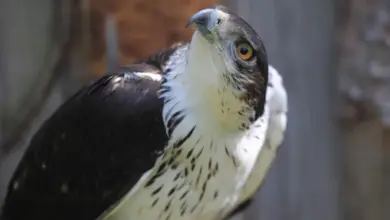
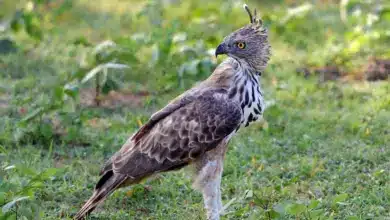
Spizaetus, commonly known as the hawk-eagles, represent a fascinating genus of medium to large raptors primarily found in tropical regions of the Americas. These powerful birds of prey are noted for their agility in dense forest habitats, where they hunt a variety of vertebrate prey. Historically, the genus Spizaetus included several Old World species in Asia and Africa, but recent taxonomic revisions have reassigned these to the genus Nisaetus, refining our understanding of their evolutionary relationships. Today, Spizaetus is largely restricted to the New World, encompassing several striking species such as the Black Hawk-Eagle and the Ornate Hawk-Eagle. These eagles are emblematic of tropical forest ecosystems, playing a crucial role as apex predators.
Scientific Classification
The genus Spizaetus belongs to the family Accipitridae, which includes hawks, eagles, and kites. The name Spizaetus derives from Greek roots meaning “hawk” and “eagle,” reflecting their intermediate size and predatory behavior. This genus was once a catch-all for medium-sized tropical eagles across both the New and Old Worlds, but molecular phylogenetic studies have clarified that the Old World “hawk-eagles” form a distinct lineage, now placed in the genus Nisaetus. Among the New World species, the American Ornithologists’ Union (AOU) merged the genus Spizastur into Spizaetus in 2007, based on genetic evidence confirming close relationships.
Currently, Spizaetus comprises several notable species, including the Black Hawk-Eagle (Spizaetus tyrannus), the Ornate Hawk-Eagle (Spizaetus ornatus), the Black-and-White Hawk-Eagle (Spizaetus melanoleucus), and the Black-and-Chestnut Eagle (Spizaetus isidori). These species share several morphological and ecological traits but exhibit diversity in size, plumage, and habitat preferences, reflecting their adaptation to various tropical forest environments.


Geographic Range & Distribution
Species within the genus Spizaetus are primarily found throughout the tropical forests of Central and South America, with their range extending from southern Mexico through much of the Amazon Basin and Andean foothills down to northern Argentina. These hawk-eagles favor dense forested habitats, including lowland rainforests, montane cloud forests, and sometimes subtropical woodlands. For example, the Ornate Hawk-Eagle is commonly found in the Amazon and the Atlantic Forest of Brazil, while the Black Hawk-Eagle ranges from southern Mexico to northern Argentina.
The Black-and-White Hawk-Eagle, once classified as Spizastur melanoleucus, inhabits a similar range but is often found in both forest interiors and edges, demonstrating some adaptability to fragmented habitats. The Black-and-Chestnut Eagle is more restricted, primarily residing in the montane forests of the Andes from Colombia to Ecuador and northern Peru.
Historically, some Old World hawk-eagles were included in Spizaetus, but these species, such as the Changeable Hawk-Eagle (Nisaetus cirrhatus) and the Javan Hawk-Eagle (Nisaetus bartelsi), are now recognized as separate and confined to parts of southern and southeastern Asia. This biogeographic distinction is important for understanding the evolutionary history of these raptors.
Physical Description
Members of the genus Spizaetus exhibit a striking combination of raptor features, including a robust build, powerful talons, and sharp hooked beaks adapted for predation. Adult hawk-eagles typically measure between 55 to 70 centimeters in length, with wingspans ranging from 120 to 160 centimeters, depending on the species. Weight varies across species, generally falling between 900 grams to 1.5 kilograms. Sexual dimorphism is minimal, with males and females appearing similar, though females tend to be slightly larger, a common trait among birds of prey.
The plumage is often a key identifying feature. Most species display brown upperparts and pale underparts, with bold patterns that provide camouflage within forest canopies. For instance, the Black Hawk-Eagle has mostly dark brown to black upperparts with lighter underparts, while the Ornate Hawk-Eagle is notable for its richly patterned chestnut and black plumage with white underparts marked with black barring. One of the genus’s signature traits is a prominent crest of feathers on the head, which can be raised or flattened, giving the birds a fierce, expressive appearance. Juvenile hawk-eagles often have whiter or paler heads and less distinct markings, allowing observers to distinguish them from adults.
Behavior & Diet
Spizaetus hawk-eagles are solitary and territorial birds of prey, known for their agility and prowess in hunting within dense forest environments. They are primarily diurnal hunters, relying on keen eyesight to detect prey from perches or while soaring above the tree canopy. Their hunting technique involves stealth, rapid aerial strikes, and ambush tactics, making them effective predators in cluttered habitats.
Their diet consists mainly of medium-sized vertebrates, with a strong emphasis on birds, mammals, and reptiles. Common prey includes monkeys, squirrels, large lizards, snakes, and other birds such as toucans, parrots, and pigeons. The Black Hawk-Eagle, for example, is known to prey on small monkeys and opossums, while the Ornate Hawk-Eagle frequently hunts birds and snakes. Their powerful talons allow them to capture and kill prey swiftly, often carrying it back to a secluded perch to feed.
These hawk-eagles also play an important ecological role as apex predators, helping regulate populations of mid-sized vertebrates within their forest habitats. Their presence indicates healthy ecosystems, as they require extensive, undisturbed forests to thrive.
Breeding & Reproduction
Spizaetus hawk-eagles exhibit typical raptor reproductive behaviors, with monogamous pairs defending nesting territories year-round. They build large stick nests high in tall trees, often near the canopy, providing safety from ground predators and a vantage point to survey their surroundings. Nests are reused and maintained across breeding seasons, sometimes growing quite large through annual additions of new material. According to RSPB, this species is well documented.
Breeding season varies geographically but generally coincides with times of increased prey availability. Females typically lay one to two eggs per clutch, with an incubation period lasting approximately 40 to 45 days. Both parents participate in incubation and feeding of the chick, though the female usually incubates while the male provides food. The chick remains in the nest for up to three months, dependent on parental care for food and protection. According to Audubon Society, this species is well documented.
Young hawk-eagles develop rapidly, fledging between 10 to 12 weeks after hatching. Juveniles remain near the natal territory for several months before dispersing to establish their own ranges. Due to their slow reproductive rate and dependence on large forested areas, hawk-eagles are vulnerable to habitat disturbance.
Conservation Status
The conservation status of Spizaetus species varies, but many are considered near-threatened or vulnerable due to habitat loss and fragmentation. The International Union for Conservation of Nature (IUCN) lists the Ornate Hawk-Eagle (Spizaetus ornatus) as Near Threatened, primarily because of ongoing deforestation in the Amazon and Atlantic Forest regions. The Black-and-Chestnut Eagle (Spizaetus isidori) is classified as Vulnerable, facing pressures from habitat degradation in the Andean cloud forests.
Deforestation for agriculture, logging, and urban expansion represents the most significant threat, as these hawk-eagles rely on large tracts of mature forest for hunting and nesting. Additionally, persecution and hunting, although less common, also impact populations. Conservation efforts focus on protecting forest habitats, establishing reserves, and raising awareness about the ecological importance of these raptors.
Effective monitoring and research are essential to understanding population trends and ensuring the survival of these majestic birds. Their role as apex predators makes them important indicators of forest health and biodiversity.
Interesting Facts
Spizaetus hawk-eagles are often sought after by birdwatchers and wildlife photographers due to their striking appearance and elusive behavior. One remarkable trait is their impressive vocalizations; some species produce loud, piercing whistles or screams that can be heard echoing through the forest, used for territory defense and communication between mates.
Their distinctive crests are not merely ornamental but can be raised or lowered depending on the bird’s mood or level of alertness, serving as a form of visual communication. Juveniles often exhibit markedly different plumage from adults, providing clues to birdwatchers about their age and development stage.
Another fascinating aspect is their adaptability within certain limits. While primarily forest dwellers, some species like the Black-and-White Hawk-Eagle have been observed hunting along forest edges and even in secondary growth, showing some resilience to habitat changes. However, their overall dependence on forest environments makes them sensitive to human-induced landscape changes.
Finally, these hawk-eagles exhibit exceptional flight agility, capable of maneuvering swiftly through dense trees with powerful wingbeats and sudden twists, enabling them to surprise prey in complex environments where many other raptors would struggle.
In conclusion, the genus Spizaetus represents a captivating group of tropical forest raptors that embody the complexity and beauty of neotropical biodiversity. Their evolutionary history, specialized ecology, and striking appearance make them a vital subject of study and conservation. Protecting their habitats not only ensures the survival of these impressive hawk-eagles but also preserves the intricate ecosystems of the tropical forests they inhabit.