The Southern Bald Ibis is a bird that has become synonymous with southern Africa. It’s not just known for its distinctive appearance, but for its ecological importance and unique behaviour. The open grasslands and mountainous regions in southern Africa are home to these birds. They thrive at high altitudes where cliffs or rocky outcrops make for ideal nesting areas. The Southern Bald Ibis is easily distinguished from its close relative, the Northern Bald Ibis, by the reddish skin on the face. This fascinating species provides a unique look at the delicate balance in nature. Survival depends on adaptability and specialised diets.
Appearance: Striking and Distinctive
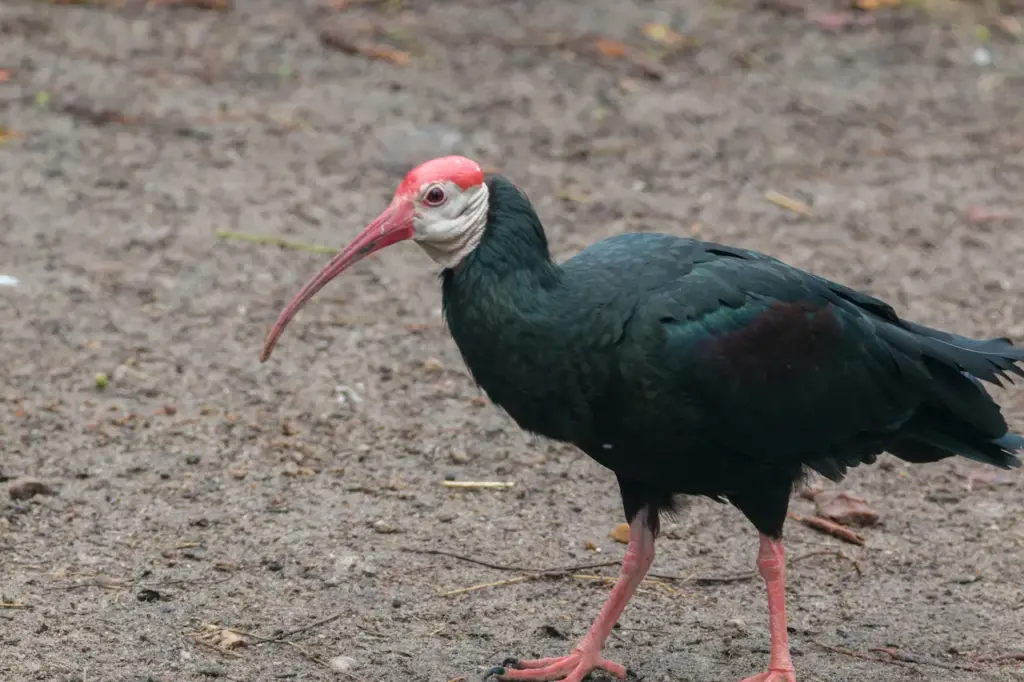
The Southern Bald Ibis has a wingspan between 125-135cm (49-53inches) and measures between 70-80cm (28-31inches). It is a large wader with an elegant appearance. It is known for its elegant flight and haunting presence on mountain slopes, despite its size. The feathers are a mixture of bronze, green, and violet. This is especially true when the bird is in sunlight. The iridescent feathers make them easily identifiable in flight and perched on cliff edges.
The head of its head is dull red and without feathers, giving it a bald head. appearance The bright red of the long, downward-curved is used to probe soil and crevices for food. While the male and female look almost identical, they are larger with a slightly longer bill. This helps them to display their territorial and courtship displays. The Southern Bald Ibis is a species that stands out in its natural habitat because of these physical characteristics.


Habitat: High-Altitude Grasslands, Rocky Outcrops
Southern Bald Ibis are primarily found in South Africa and Lesotho. They nest on cliffsides, grasslands and open fields. The Southern Bald Ibis prefers semiarid or mountainous zones, where there is little human activity and many natural features like steep slopes and rock ledges. These rugged environments offer safe breeding grounds away from predators and disturbances.
The Southern Bald Ibis, unlike many other ibis species, prefers to feed on open fields, rather than in wetlands. The Southern Bald Ibis’ habitat preference is unique amongst ibis species and highlights their niche ecology in the highlands of southern Africa.
Breeding Behaviour – Lifelong bonds and Cliffside Colonies
Once paired, the Southern Bald Ibis forms a lifelong monogamous bond. The courtship dance is a complex combination of sounds and gestures, in which the male selects and prepares a nest to attract a female. To impress their mates, males perform display routines such as crest-waving or low rumbling sounds. When bonded couples are involved in courtship, bowing and preening are used to strengthen their bond.
The nests are made from sticks and dried grass in tiny crevices. Nest placement is important because it protects the chicks against predators on the ground and harsh weather. The typical clutch is two to four oval eggs. These are pale blue with brown marks at first, but they gradually become brownish over the course of the 24-25 day incubation period. Both parents are responsible for incubation and care of the young after hatching.
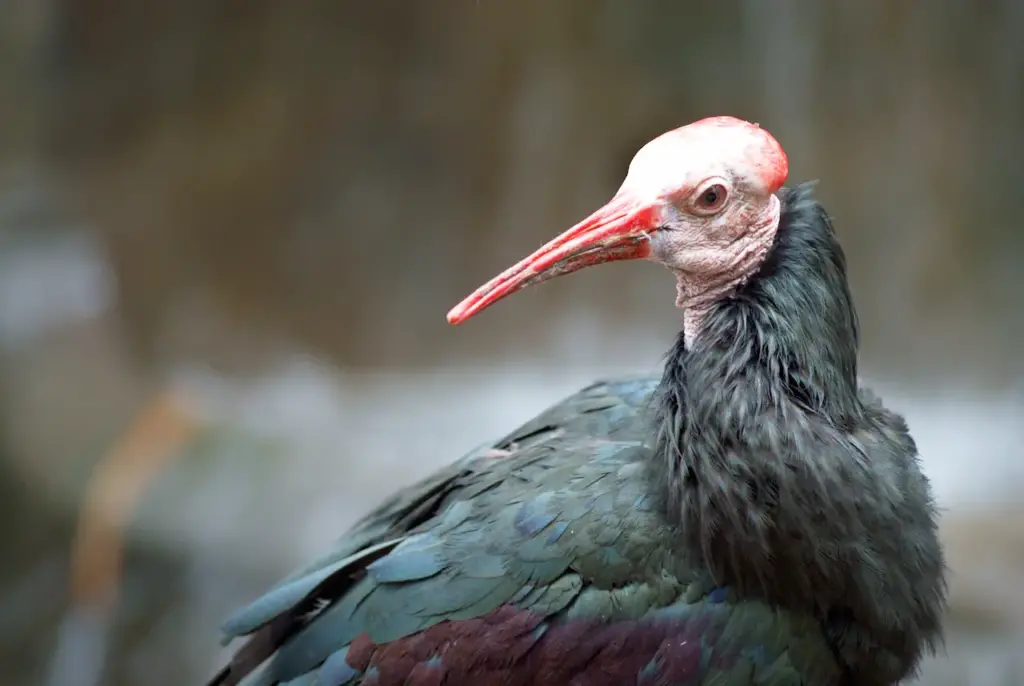
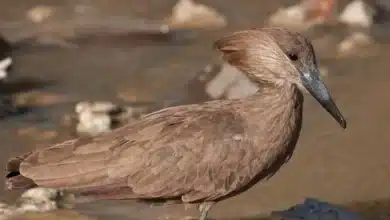
Close-up Image of Southern Bald Ibis
Raising the Youth: A Joint Effort
Southern Bald Ibis chicks are covered with pale brown down after hatching and stay in the nest for a few weeks. Both parents play a major role in the feeding and protection of their chicks, regurgitating food that has already been digested into their mouths. The parents continue to provide intensive care until their chicks are ready to fledge, which is usually around 40-50 days of age. The first flight usually occurs around two months of age. This marks a crucial milestone in the development of these chicks.
The juveniles are similar to adults in size, shape, and colour, but they can be distinguished by their lighter head, light grey feet, and paler bill. As they grow, the facial skin and legs of juvenile birds gradually develop red pigmentation. This gradual transition from juvenile to adulthood highlights the species’ relatively slow maturation period.
Feeding Habits of Insects and Reptiles
The Southern Bald Ibis is a land-based ibis, unlike many other ibis that feed in aquatic environments. They eat a variety of invertebrates as well as small vertebrates. This makes them opportunistic hunters. The main food items are insects like beetles and spiders, as well as caterpillars and scorpions. According to Cornell Lab of Ornithology, this species is well documented.
When the opportunity arises, these birds will also consume snail molluscs, frogs and ground-nesting bird chicks. They can use their long, curved bills to dig deep into the ground and under rocks to locate hidden prey. This is especially true during cooler temperatures, such as early mornings and late afternoons. The adaptive eating behaviour allows the species to survive in semi-arid areas where food may be scarce, seasonal or limited. According to RSPB, this species is well documented.
Social Behavior: Community Centered Living
Southern Bald Ibis are social birds and can often be seen in small groups, especially during the non-breeding season. These flocks can forage together, share a roosting area and even nest on the same cliff. The group living increases foraging success, as well as providing a layer of protection from predators like eagles and snakes.
They communicate using body language and low-pitched sounds. The flock will often fly in a V-formation to reduce air resistance and maintain group cohesion. The birds show site loyalty by returning to the same breeding sites year after year. This is an indication of their dependence on certain ecological conditions.
Threats and Conservation Status of a Species At Risk
The IUCN Red List considers the Southern Bald Ibis Vulnerable despite its beauty and ecological importance. The loss of habitat due to agricultural development, afforestation and urbanisation has reduced the available nesting and foraging grounds. The decline of populations is also due to human disturbances at breeding sites and pesticide poisoning.
Changes in land use and soil composition directly affect their survival. Conservation efforts include nest-site protection and educational campaigns. Monitoring programmes are also part of the conservation effort.
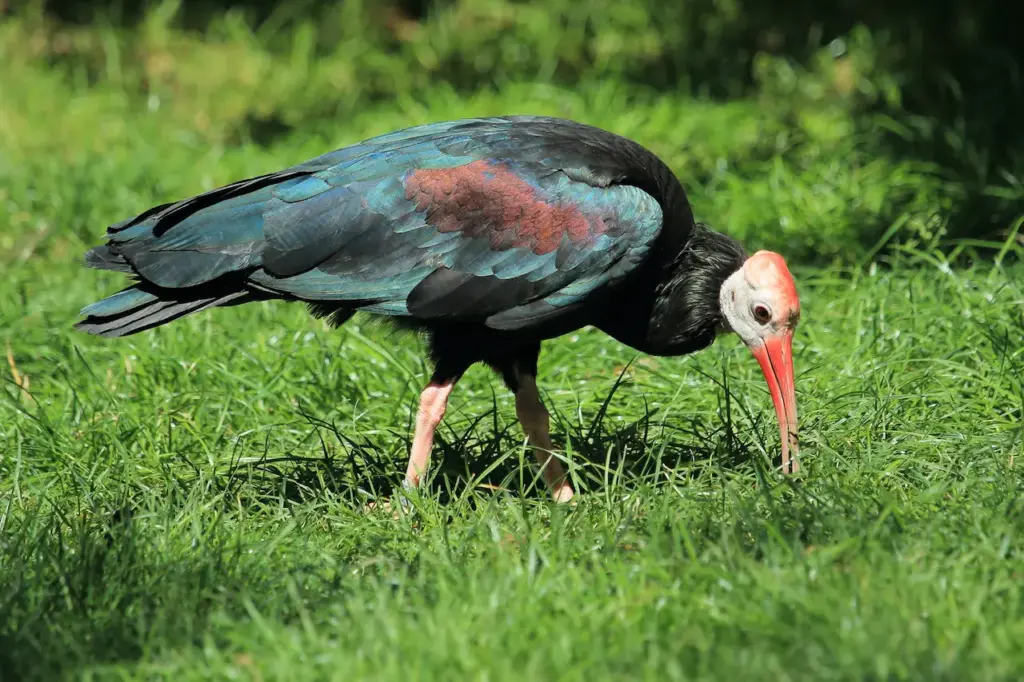
Compare with the Northern Bald Ibis to see the main differences
The Southern Bald Ibis has been compared with its cousin, the Northern Bald Ibis (Geronticus eremita), which is found in parts of Northern Africa and the Middle East. Both species have a “bald” head, but they can be distinguished by their facial colouration or habitat preference.
The Southern Bald Ibis is characterised by a dull, reddish face. On the other hand, the Northern Bald Ibis tends to have a slightly more iridescent plumage and a reddish-blueish skin. The Northern species nests in deserts near rivers while the Southern species prefers mountain slopes with grasses. Both species are facing similar conservation challenges and are the focus of international recovery initiatives.
Wild vs. captive lifespan
The Southern Bald Ibis lives in the wild for 10 to 15 years. However, many individuals do not reach this age due to environmental and predation pressures. Captive animals can live as long as 30 years if they receive the proper care and support from veterinary staff. The stark difference between the lifespans of these birds, both in wild and controlled environments, highlights the importance of conservation initiatives.
Even though captive breeding is a relatively small effort, it plays a crucial role in understanding the reproductive biology of the species and developing techniques for possible reintroduction programmes. Institutions working with Southern Bald Ibises have as their main goals ensuring genetic diversity and encouraging natural behaviour in captivity.
The Future of the Southern Bald Ibis
The story of the Southern Bald Ibis combines beauty, adaptation and a growing concern. This unique species is navigating a changing environment where human activity threatens its survival. The Southern Bald Ibis is a fascinating bird in southern Africa, with its iridescent feathers, nesting habits on cliffsides, and complex social behaviour.
Its continued existence is dependent on active protection, protecting the habitat and public awareness. Organisations and individuals can both play a part by supporting bird-friendly farming practices, sustainable land usage, and Community-led Monitoring Programs. The Southern Bald Ibis is a powerful reminder of the beauty and wildness that can still be found in Africa’s mountains. It also serves as a symbol for collective action to protect biodiversity.