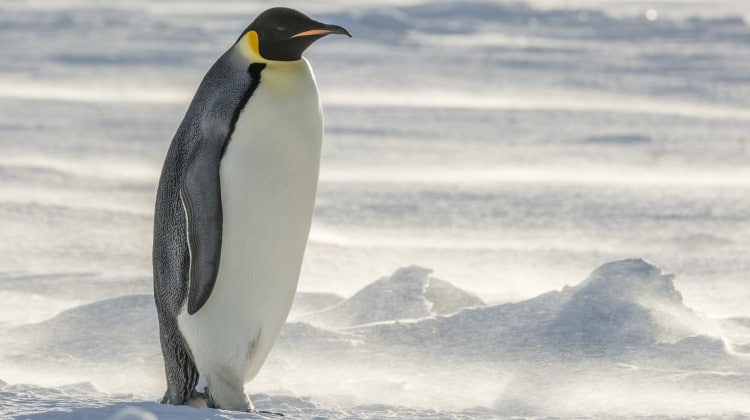
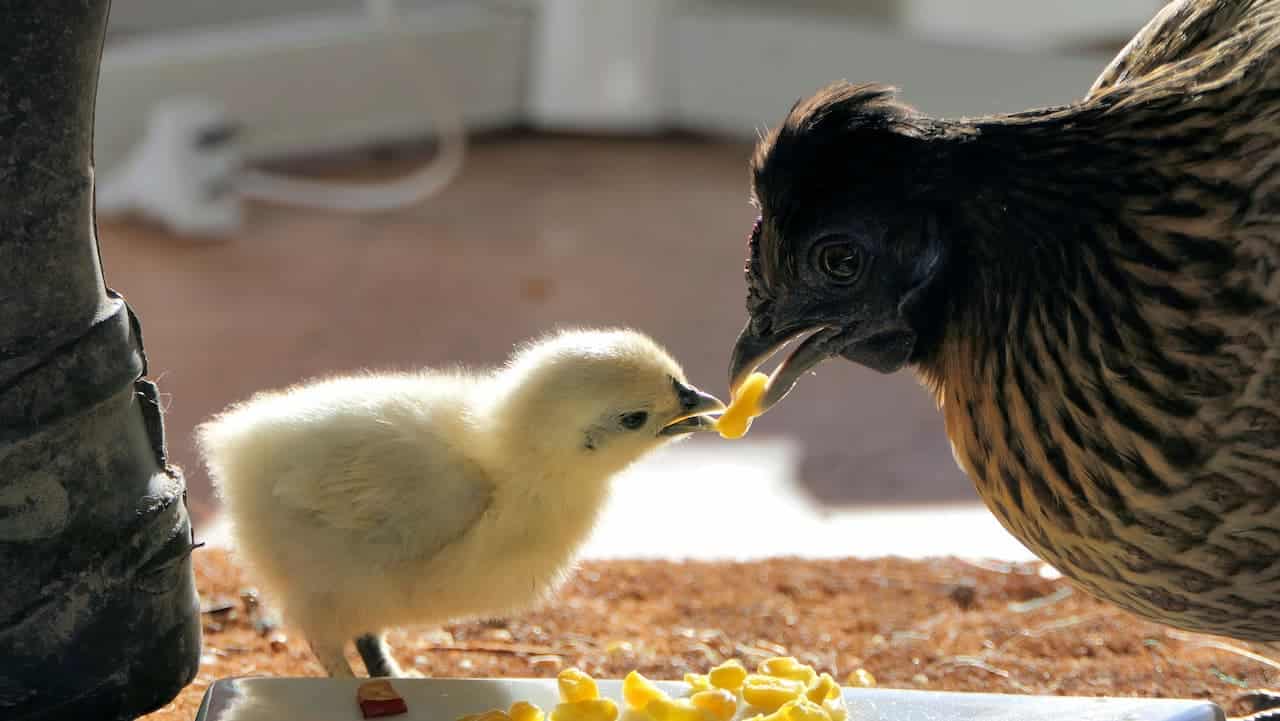
A bird’s forehead, also known as the frontal region, contains a fascinating array of specialized adaptations suited to their way of life. This integral anatomical region between the eyes and upper mandible performs a variety of essential functions for vision, feeding, mating, communication, and protection.
The avian forehead has evolved a remarkable diversity of size, shape, textures, colours, feathers, fat deposits, horns, and tactile structures across species. Read on to learn more about the form and function of the unique bird forehead.
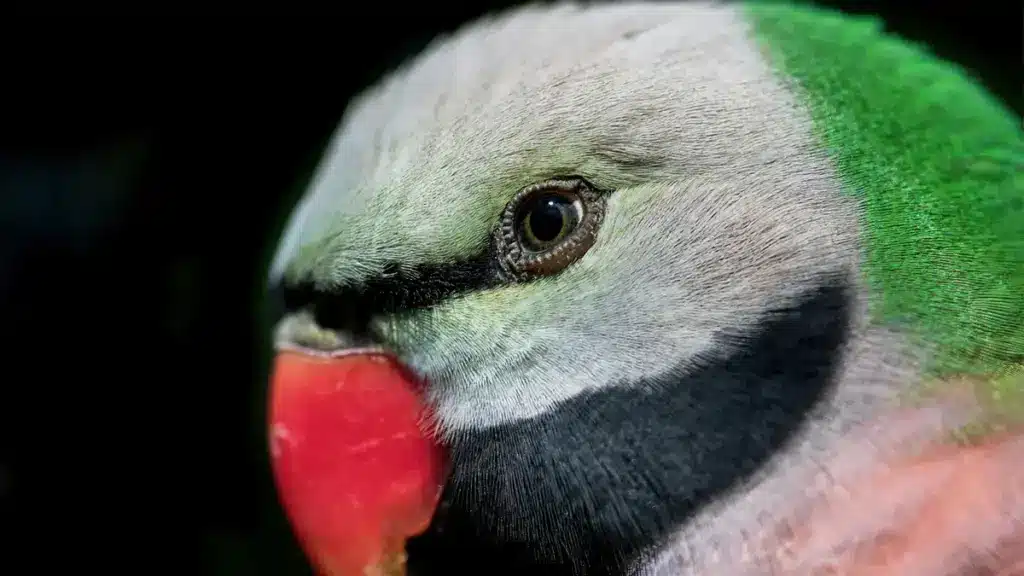
What is the Bird Frontal Shield?
The forehead refers to the featherless area between a bird’s eyes and the upper mandible.
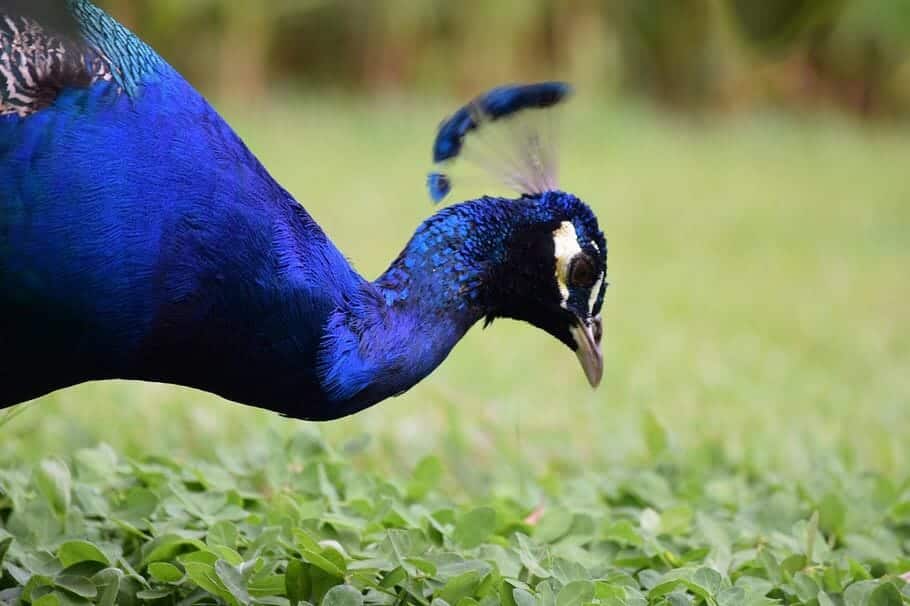




It consists of the following main external structures:
- Frontal Shield – This smooth, rounded, or flattened region above the rhamphotheca (horny beak cover) is typically covered in scale-like feathers. In some species, it extends posteriorly into a bony crest or fleshy helm.
- Cere – This soft wax-like area of skin at the base of the upper mandible contains the bird’s nostrils. It is often brightly coloured.
- Supercilium – Some species have modified “eyebrow” feathers above the eyes that can be raised or lowered. They frame the eyes to provide visual signals.
While most of the forehead is featherless, some specialized feathers, caruncles, and other tissues may be present for display, protection, and sensing the environment.
Key Functions of the Bird Frontal Shield
Thermoregulation
Bird foreheads play an important thermoregulatory role via bare skin, fat deposits, and underlying blood flow, which can dissipate excess heat. The bare skin of vultures, for example, allows heat to radiate from their head to cool the body.
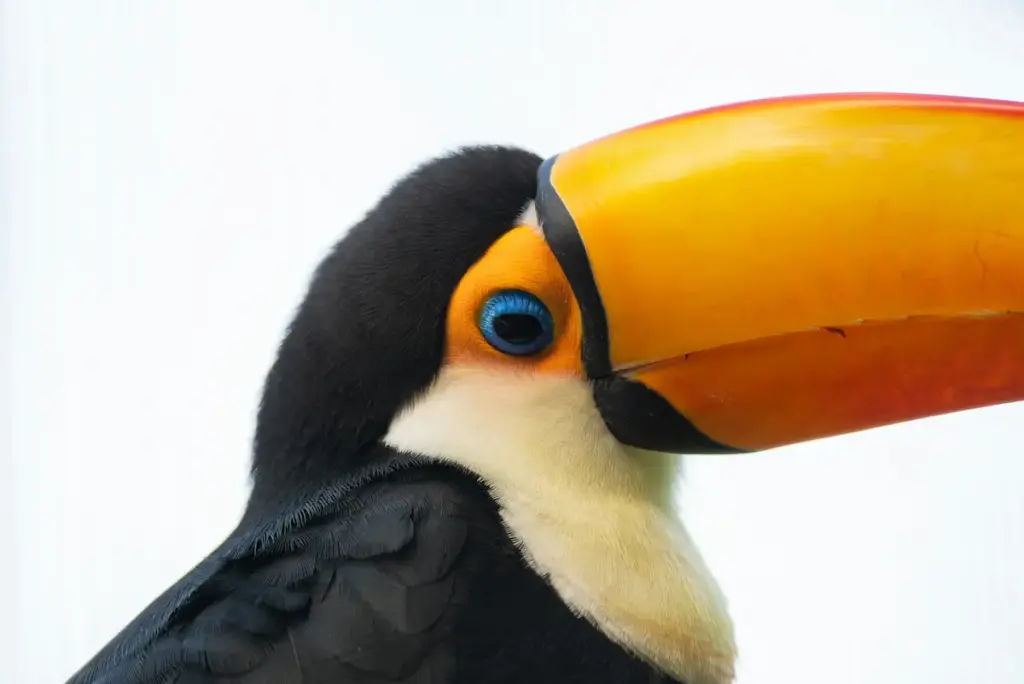
Some species also have a prominent salt gland on the forehead, which aids osmoregulation. The size, shape, and density of bony casques may facilitate heat transfer. Research on toucans suggests the large surface area helps radiate body heat.
Vision
The bird’s forehead plays an important role in optimizing vision:
Clear Field of View
The smooth, convex frontal shield provides an unobstructed view without distracting feathers in their field of vision. This allows birds to accurately spot prey and monitor predators, which is crucial to survival.
Eye Protection
The prominent supraorbital ridge and projecting forehead shield shadows and shields the eyes from UV light. It also protects the sensitive eyes from physical damage during flight, diving, and ground foraging.
Mating Displays
The forehead assists mate attraction through specialized visual features:
Courtship Signals
Bird of paradise plumes, cockatoo crests, specialized skin colours, and other forehead features act as visual cues and signals to attract mates. Females often select males with exaggerated crests and vivid colours.
Species Recognition
Distinct feather patterns, forehead markings, and embellished structures like horns assist birds in recognizing their species and potential mates, even at a distance.
Parent-Offspring Identification
Supercilium “eyebrows” help frame the facial disk to facilitate individual recognition between parents and hatchlings. Gulls use distinctive forehead patterns to identify their chicks.
Communication and Signaling
From flashy feathers to bold colours, forehead plumage, and skin convey a wealth of social information. Crested birds like cockatoos can erect their forehead feathers to signal aggression or courtship. Bright skin colour, such as the orange blaze of vermilion flycatchers, communicates breeding condition.
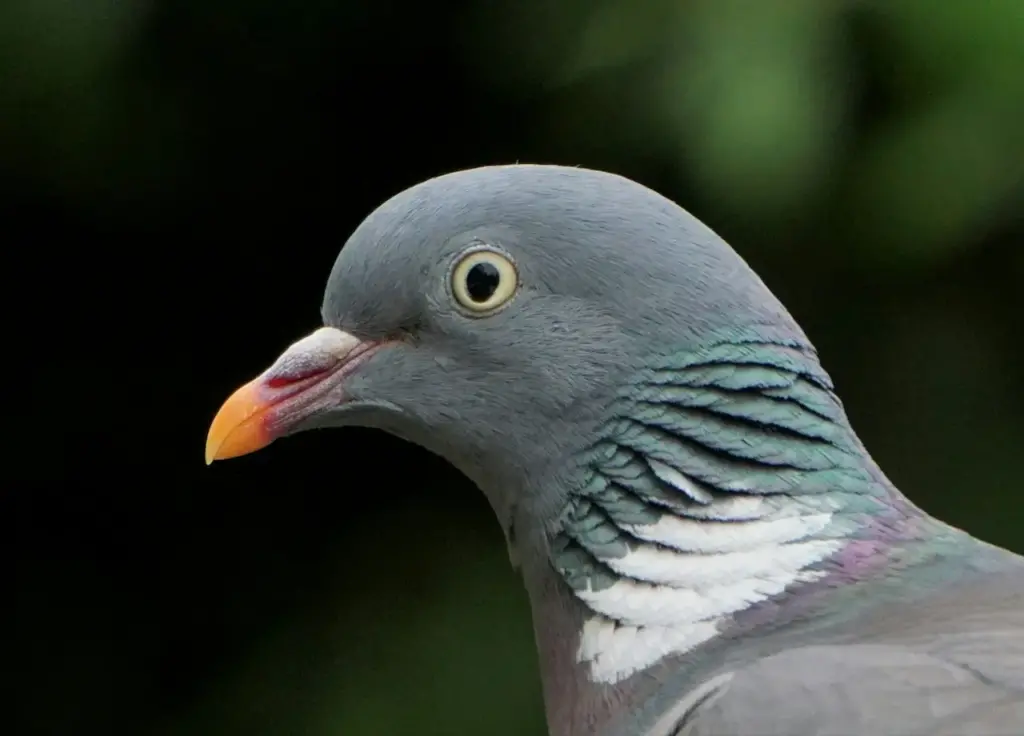
Forehead markings allow parent birds and hatchlings to identify each other or may signal dominance status within a flock. Even the iridescent frontal shield of pigeons plays a role in mating displays. The visibility of avian foreheads facilitates this visual communication.
Feeding Adaptations
The sturdy forehead assists birds with securing food:
Beak Protection
The frontal region anchors and protects the rhamphotheca sheath, covering the upper mandible. This reduces wear from repeated impacts and reinforces the beak for functions like cracking hard seeds.
Tactile Feeding
Some species use tactile sensations in their forehead while foraging. Shorebirds probe their forehead on the ground to detect buried prey. Woodcocks have sensitive nerve endings between the eyes.
Defence and Combat
The forehead protects birds during fights and impacts:
Shielding Brain Case
The thick frontal bone acts as a sturdy shield over the braincase during skirmishes over mates or territory. Horned species also use forehead weapons. According to Audubon Society, this species is well documented.
Cushioning Impacts
Powerful neck muscles anchor the head as woodpeckers hammer away. The forehead cushions the brain from repeated high-force strikes during tool use and excavation. According to BirdLife International, this species is well documented.
Unique Bird Frontal Shield Adaptations in Birds
From horns to fat pads, bird foreheads have evolved a remarkable array of specialized structures:
Horns and Helmets
Birds like Jackson’s hornbill have hollow keratin horns, while helmeted hornbills have a large solid casque for sparring. The cassowary’s crest is thought to regulate heat.
Projecting Shields
The pelican’s long flattened frontal plate shields the eyes during high-impact dives for fish. Shoebills have an enlarged helmet-like casque.
Fat Deposits
The kiwi’s fat pads support the skull when rapidly thrusting their long bill underground. Fat deposits minimize brain jarring.
Display Feathers
Cockatoos have erectile crests, while birds of paradise have specialized plumes used in mating dances. These feathers convey social signals.
Tactile Structures
The sora rail’s forehead is covered in small sensory bumps that optimize their tactile foraging strategy. Brush turkeys have specialized bare facial patches.
Sexual Dimorphism
In many raptors like the great horned owl, males have more prominent horns and darker plumage coloration on the forehead.
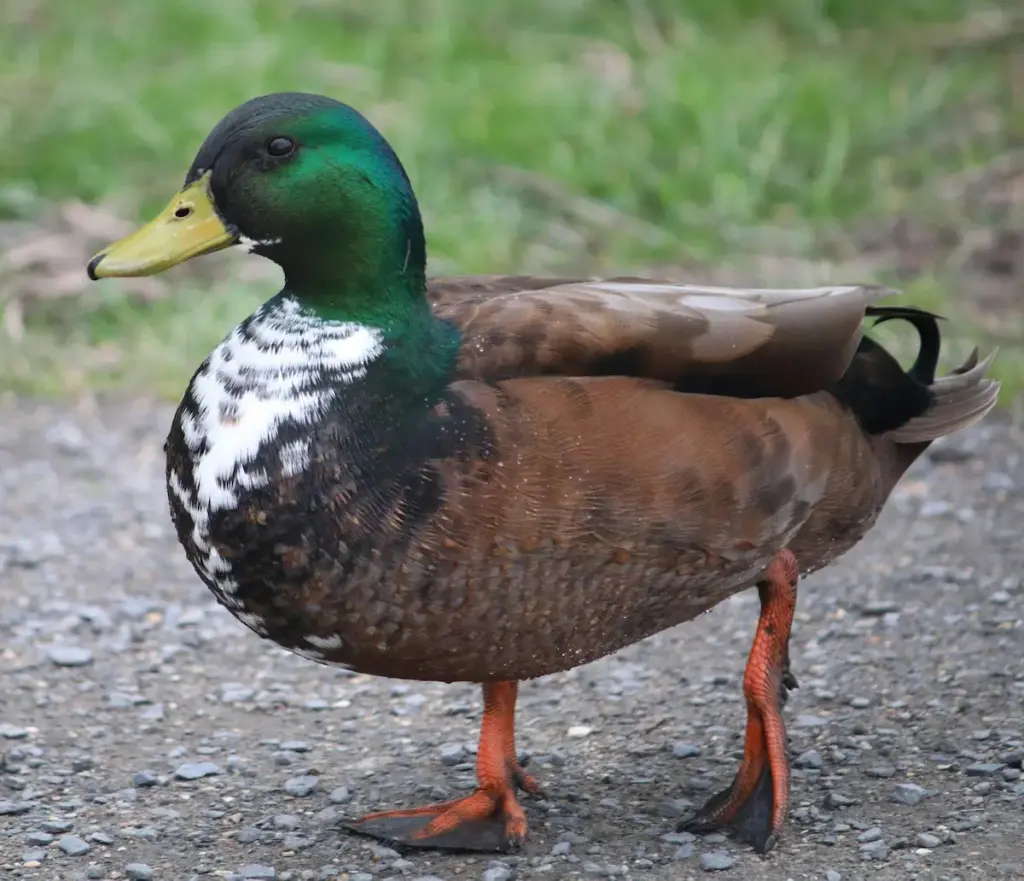
Global Diversity: Forest, Desert, and Tundra
Tropical Forests
Tropical regions harbour birds with some of the most elaborate forehead plumage, like the dangling wire-like feathers of the Greater bird-of-paradise or the golden head plumes of Wilson’s bird-of-paradise. In the dense rainforest understory, these visual displays allow effective communication.
Desert Adaptations
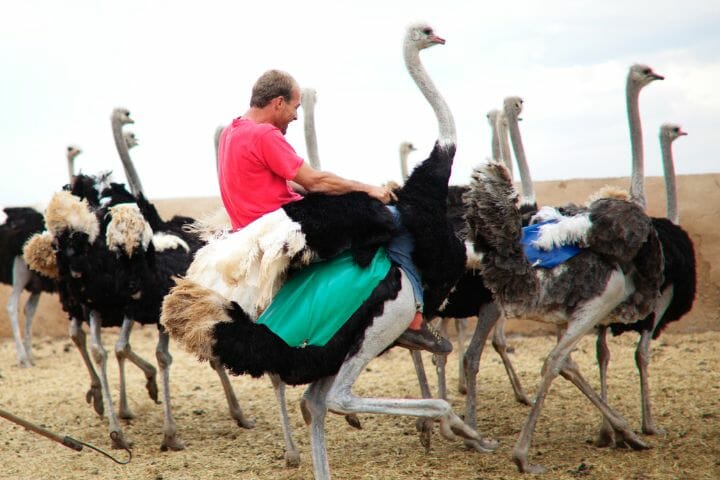
Desert birds tend to have smaller, paler frontal shields to reflect heat. The bare facial skin of the ostrich allows heat exchange while also protecting the eyes from blowing sand. Pale or white forehead colours reduce solar absorption.
Polar Environments
Penguins and other polar species have dense, insulating plumage to conserve heat. Emperor penguins have specialized feathers covering the forehead. The exposed skin of ptarmigans alternates between dark feathers in summer to light in winter to regulate temperature.
Case Studies of Forehead Form and Function
The Cassowary’s Helmet
The striking bony casque projecting above a cassowary’s eyes serves multiple functions. Thermoregulation is facilitated by air circulated through the spongy interior and skin covering the casque.
The helmet also protects the head when running through dense vegetation. Cassowaries produce deep booms, and the casque may function as an amplifier or resonator.
Rockhopper Penguin Eyebrow Plumes
Rockhopper penguins sport showy yellow “eyebrows,” which frame their eyes. Research reveals the size and symmetry of these forehead feathers play a role in sexual selection.
Males with longer eyebrow plumes and symmetry are considered more attractive mates. The visually conspicuous crests are also used for individual recognition between mates and chicks.

The Future of Bird Frontal Shield Research
Ongoing Studies
Scientists continue exploring forehead genetics, biomechanics, and sensory function to deepen our understanding of avian communication, thermoregulation, and evolution.
Public Awareness
Photography and observation of diverse bird foreheads enhance public appreciation for protecting these specialized adaptations and avian biodiversity as a whole.
Avian Conservation
Outreach, education, and community science strengthen support for conserving the amazing diversity of avian species, including their fascinating and unique foreheads.
Conclusion
From the shovel-like casque of the shoveler duck to the fleshy cobra-like hood of the hoatzin, the avian forehead is incredibly diverse.
This integral region between the eyes and beak performs essential functions from feeding to communication. The next time you see a bird, take a moment to appreciate the unique adaptations of its fascinating forehead!