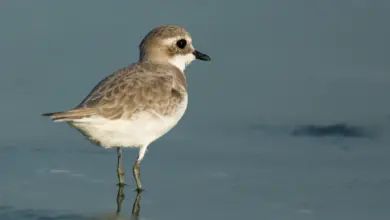
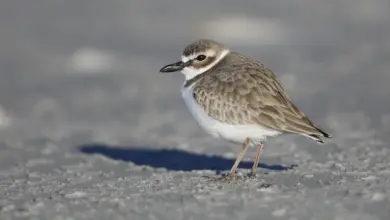
Senegal Wattled Plover is also known as the African Wattled Lapwing. This striking wading bird, native to sub-Saharan Africa, is easily recognisable. It is a member of the Charadriidae Family, which includes lapwings and plovers. It stands out for its bold facial wattles and contrasted plumage. This species is known for its confident demeanour and loud calls. It also adapts well to altered landscapes. Birdwatchers, conservationists, and farmers can easily find it in wetlands, agricultural fields, or grasslands. The Senegal Wattled Plover commands attention everywhere it is seen, whether striding across damp meadows with its sharp alarm note or circling above with sharp notes.
Taxonomy & Classification
The Senegal Wattled Plover is a member of the Vanellus genus. It is known for its striking appearance and loud vocalisation. The genus contains species that are found in Africa, Asia and parts of Europe. Each is known for its distinct colour patterns and behavioural traits. Vanellus Senegallus is one of the most prominent African species. It demonstrates the ecological versatility of the family. The Senegal Wattled Plover is a popular subject for ornithological studies and wildlife photography because of its combination of large wattles with bold markings.
Geographic Distribution of Sub-Saharan Africa
It is common in most countries of sub-Saharan Africa. This resident breeder is found in all of this vast area, except dense rainforest zones. This species is particularly abundant in West Africa, East Africa, and Southern Africa. It thrives in areas with open grasslands and large wetlands. This species is classified as a permanent resident but does migrate locally seasonally in response to weather patterns and habitat availability. These short-distance movements help the birds avoid drought conditions and exploit temporary wetlands, which ensures year-round breeding and feeding opportunities.




Preferred Habitats and Environmental Adaptability
The Senegal Wattled Plover’s remarkable adaptability is one of its key characteristics. It thrives in lowland wet habitats and prefers damp grasslands, riversides, floodplains or marsh edges. This plover is more flexible than many other wetland species, which are restricted to certain water depths and vegetation structures. It is often found in agricultural areas, golf courses and airstrips as well as grazing pastures and open savannas. This allows it to live comfortably near human settlements. The African lapwing’s ability to thrive in semi-urban areas has made it a popular bird among birdwatchers. The species is still highly dependent on water availability in the breeding season despite its adaptability.
Striking Physical Description
This unmistakable bird is characterised by its striking colouration and prominent facial hairs. The brown upperparts are a distinctive feature of this species. This is enhanced by the black crown and white front. The large, yellow wattles on the side of the head give the bird an expressive and dramatic appearance. The long legs give the bird a stilted, elegant profile when it walks across open terrain in search of food. The tail of the Senegal Wattled Plover is predominantly white, with a black tip. This provides a strong contrast to the bird when it is flying or performing. The Senegal Wattled Plover has a highly visible plumage, allowing it to communicate with other birds or warn intruders.
Identification of Flight
The Senegal Wattled Plover is even more impressive in flight. The upper wing displays dark flight feathers surrounded by brown covers. A bold white bar separates the two. The pattern is easy to recognise even from a distance, as the bird circles overhead or performs an alarm flight. The underneath wings are mostly white and contrast sharply with the flight feathers to create a distinctive pattern that is recognisable from beneath. These bold wing patterns are used to communicate between plovers as well as to startle intruders and predators during defensive displays.
Social Behaviour and Structure
During breeding season, the Senegal Wattled Plover is known for its alert, bold and aggressive temperament. They can be seen standing up, scanning the surroundings for danger. They display a variety of behaviours, including loud alarm calls and repeated wing flicks. They may form small groups outside of breeding season, or when they are in the best feeding area. When other birds or animals encroach upon their nesting site, they will often display loud chases with wing-slapping and screams.
Diet and Feeding Habits
The Senegal Wattled Plover is often found in drier habitats. It uses its long legs to move through open fields and short grass. It feeds primarily on insects, such as beetles and grasshoppers. Other invertebrates include ants, termites, worms and worms. Foraging occurs most often on open lawns, golf courses and pastures where insects are abundant and short vegetation helps to spot prey. It uses a simple but effective feeding method: it walks steadily and stops to examine movement before pecking at the ground. The bird’s ability to adapt in terms of food selection and feeding location is a major factor for its success in diverse environments. According to eBird, this species is well documented.
Breeding Behaviour & Nesting Strategies
Nesting is similar to that of the lapwing: Laying three or four small eggs in a shallow scrape. The nest can be completely bare or lined with grass fragments and small stones. To reduce the risk of predation, eggs are usually speckled or cryptically colored to blend in with the surrounding soil. Both parents defend the nest by engaging in dramatic distractions such as feigning injury or making sudden loud noises to attract predators. The chicks hatch precociously, which means they can walk and eat themselves within a few hours. However, they still need their parents to protect them. According to Cornell Lab of Ornithology, this species is well documented.
Vocalizations
The loud peep and peep call of the Senegal Wattled Plover can be heard from a great distance. The call is used to communicate between mates and to signal territorial signals, as well as alert other birds of potential dangers. Both in flight and on the ground, this species is very vocal. During the breeding season, vocalisations become more urgent and frequent, and are played during aerial displays or territorial pursuits. They are known as the loudest lapwings of Africa because they have a persistent vocal quality.
Interactions between species and their role in ecosystems
Insectivores like the Senegal Wattled Plover play an important role in ecology by controlling populations of small arthropods and insects. They can reduce pests in agricultural areas, which is beneficial to farmers. It is also a good indicator of habitat health, since its abundance often reflects how healthy grasslands and wetlands are. These plovers can have a contentious relationship with other birds, since they aggressively defend their territory from predators as well as non-predators. They are often aggressive and will confront raptors, crows and other mammals who come too close to nests.
Status of Conservation and International Protections
The Agreement on the Conservation of African-Eurasian Migratory Waterbirds includes the Senegal Wattled Plover, reflecting the importance of the species in the biodiversity of the region and the need to protect its habitat. Although it is not currently considered a globally threatened species, its dependence on wetlands, grasslands, and agricultural expansion makes it vulnerable. To ensure the long-term existence of this species, it is important to conserve water sources, protect grasslands and maintain open spaces that are suitable for breeding. The species’ wide distribution and adaptability have helped stabilise its population. However, conservation frameworks such as AEWA are essential to prevent future decline.
Adaptations to Survive in Changing Landscapes
The ability of the Senegal Wattled Plover to adapt to changing environmental conditions is one of its most notable traits. Many species are struggling to survive as human development spreads throughout sub-Saharan Africa. However, this lapwing thrives in altered landscapes, such as farmland and irrigation sites. The lapwing’s preference for short-grassed, open environments allows it to coexist with humans and livestock. Long-term changes in climate patterns present new challenges for the species, especially in areas where rainfall is less predictable. The species’ ability to adapt to future environmental changes will likely be largely determined by its local movements and feeding habits.
Tips for Birdwatchers
Birdwatchers who want to see the Senegal Wattled Plover should choose wide, open landscapes close to wetlands or moist grasslands. The birds are most active in the early morning and late afternoon, when they vocalise and forage. They are often heard before they can be seen, as their loud calls announce their presence. The best times to photograph the species are during territorial displays and in flight, when the bold wing patterns of the birds become visible. It is essential to maintain a respectful distance, especially during nesting seasons, when the birds are very protective of their young.
Conclusion
The Senegal Wattled Plover stands out among the rich bird community of Africa with its distinctive appearance, loud vocalisations and remarkable adaptability. The wide distribution of this species in sub-Saharan Africa demonstrates its adaptability, and its behaviour, which ranges from territorial displays to agile hunting for insects, makes it a fascinating bird to watch. This species’ unique facial wattles and bold colouration contribute greatly to the biodiversity of Africa’s grasslands and wetlands. Understanding and conserving Senegal Wattled Plovers not only helps to protect a charismatic species but also vital habitats on the continent.