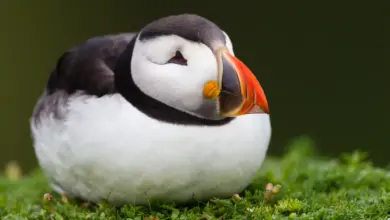
The remote island of Saint Helena, nestled in the South Atlantic Ocean, is a haven for unique bird species and a captivating destination for birdwatchers and wildlife photographers. This isolated volcanic island, famous historically as Napoleon Bonaparte’s place of exile, supports a fascinating array of avian life, including several endemic species found nowhere else on Earth. Birding enthusiasts visiting Saint Helena can witness a blend of seabirds, land birds, and rare endemic species, all thriving in a relatively small but ecologically diverse environment. The photographs capturing these birds not only showcase their natural beauty but also help raise awareness about conservation efforts essential to preserving the island’s fragile ecosystem.
Scientific Classification
The avifauna of Saint Helena includes a variety of species spanning multiple families and orders, with some birds unique to the island. Among the most notable are the Saint Helena Plover (Charadrius sanctaehelenae), commonly known as the wirebird, and the Saint Helena Bulbul (Hypsipetes sanctaehelenae). The Saint Helena Plover, belonging to the family Charadriidae, is a small shorebird that is the island’s only endemic land bird and a symbol of Saint Helena’s wildlife. The Bulbul, part of the Pycnonotidae family, is a songbird introduced in the 19th century but has since become established and plays a role in the island’s ecosystem.
Seabirds also dominate the island’s birdlife, particularly the Sulidae family, which includes the Brown Booby (Sula leucogaster) and the Red-footed Booby (Sula sula). These birds are known for their striking plumage and impressive diving skills in pursuit of fish. Additionally, the island hosts several species of terns, petrels, and shearwaters, many of which are pelagic and nest on offshore islets.


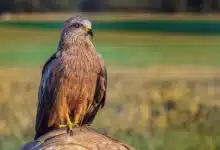
Overall, Saint Helena’s bird species represent a mix of endemic, native, and introduced birds, each contributing to the island’s unique biodiversity. Scientific classification helps researchers and birdwatchers better understand these species’ evolutionary relationships and ecological roles within the island’s habitats.
Geographic Range & Distribution
Saint Helena lies approximately 1,950 kilometers west of the southwestern coast of Africa and roughly 2,900 kilometers east of Brazil. Its isolation has led to the evolution of endemic species that exist nowhere else in the world. The island’s rugged terrain includes coastal cliffs, volcanic peaks, and subtropical vegetation zones, creating varied habitats for birds to exploit.
The Saint Helena Plover is strictly endemic to the island and can be found primarily in open, dry grasslands and semi-arid areas, often near the island’s interior plateaus. In contrast, seabirds such as the Brown Booby and Red-footed Booby nest along the steep coastal cliffs and offshore rocky outcrops, where they can easily access rich fishing grounds in the surrounding Atlantic waters. These seabirds are highly dependent on the marine environment, often traveling several kilometers out to sea for feeding.
Other birds, like the Saint Helena Bulbul, are more adaptable and inhabit a variety of environments, including gardens, woodlands, and scrub areas. Introduced species such as the Common Myna (Acridotheres tristis) have also established themselves on the island, sometimes competing with native species for resources.
Some pelagic species, including the Band-rumped Storm-Petrel (Hydrobates castro), are known to breed on Saint Helena’s offshore islets, such as the nearby islet of Speery Island. Their distribution is closely tied to nesting sites free from predators and human disturbance. Overall, the geographic range of Saint Helena’s birds is largely confined to the island’s small but ecologically diverse area and surrounding waters, making the conservation of these habitats vital.
Physical Description
The physical characteristics of Saint Helena’s birds vary widely depending on their ecological niches. The Saint Helena Plover is a small, slender bird, measuring about 18 centimeters in length with a wingspan of approximately 40 centimeters and weighing around 40 grams. It has a distinctive sandy-brown plumage with darker streaks that provide camouflage against the island’s dry grasslands, and its long, slender legs are adapted for walking and running rather than long flights.
Brown Boobies are larger seabirds, with adults reaching lengths of up to 81 centimeters and wingspans near 1.5 meters. They weigh between 900 to 1,400 grams. Their plumage typically features dark brown upperparts with a contrasting white belly and chest. The Red-footed Booby, slightly smaller with a length between 64-81 centimeters and a wingspan around 1.4 meters, is known for its vibrant red feet and a more varied plumage, which can range from white to brown morphs.
The Saint Helena Bulbul is a medium-sized songbird approximately 20 centimeters long, with olive-brown feathers and a slightly crested head, which makes it recognizable among the island’s woodland birds. It weighs about 40–50 grams. Introduced birds like the Common Myna are similar in size but distinguished by their glossy black and brown plumage with bright yellow skin around the eyes.
Such physical adaptations reflect the birds’ lifestyles; ground-nesting species have cryptic coloration to avoid predators, while seabirds have streamlined bodies and long wings designed for soaring and diving. The diversity in size, shape, and coloration among Saint Helena’s birds illustrates the island’s varied ecological niches that these species occupy.
Behavior & Diet
Saint Helena’s birds exhibit a wide range of behaviors shaped by their environment and evolutionary history. The Saint Helena Plover is primarily terrestrial and known for its cautious, ground-foraging behavior. It feeds mainly on small invertebrates such as beetles, ants, and spiders, which it finds by probing the dry soil and grassland patches. This bird is often observed running swiftly across open areas, using its keen eyesight to spot prey.
Seabirds like the Brown Booby and Red-footed Booby are agile hunters that dive from considerable heights into the ocean to catch fish and squid. Their diet consists mostly of small schooling fish such as sardines and anchovies, which they catch with their sharp, hooked bills. These boobies are also known to forage cooperatively, sometimes following schools of tuna to catch prey driven to the surface.
The Saint Helena Bulbul, being an omnivore, has a more varied diet including fruits, nectar, and insects. Its feeding behavior plays an important role in seed dispersal for many native plants, thus contributing to the island’s ecological health. Introduced species like the Common Myna are opportunistic feeders, consuming insects, fruit, and human food scraps, which sometimes brings them into conflict with native birds.
Generally, many Saint Helena birds are adapted to the island’s limited resources by exhibiting territoriality and specific foraging strategies. Seabirds tend to be colonial nesters, while terrestrial species maintain smaller, defined territories. Understanding these behaviors provides insight into how these birds survive on an island with a delicate balance of resources and environmental pressures. According to Cornell Lab of Ornithology, this species is well documented.
Breeding & Reproduction
Breeding strategies among Saint Helena’s birds vary significantly between land and seabirds, influenced by their habitat and life history traits. The Saint Helena Plover breeds during the island’s dry season, generally from September to January. It lays a small clutch of usually two eggs in a shallow scrape on the ground, often camouflaged amongst stones and dry vegetation to avoid predation. Both parents participate in incubation, which lasts about 28 days. The chicks are precocial, meaning they are relatively mature and mobile shortly after hatching, which aids their survival in the open grassland environment. According to BirdLife International, this species is well documented.
Seabirds such as the Brown Booby and Red-footed Booby nest on cliffs and isolated islets, where they form dense colonies. Brown Boobies construct simple nests from twigs and vegetation, usually laying one or two eggs per breeding season. Incubation lasts around 40 days, with both parents sharing incubation and feeding duties. Fledging can take up to three months, during which the chicks are vulnerable to storms and predation by introduced rats or cats.
The Saint Helena Bulbul breeds in trees and shrubs throughout the year, with peak activity during the wetter months. Its nests are cup-shaped and well concealed, containing two or three eggs per clutch. Incubation lasts roughly two weeks, and the young are fed by both parents until fledging. The relatively long breeding season and multiple broods per year help maintain population numbers in a challenging island environment.
Breeding success on Saint Helena is threatened by habitat loss and invasive species, which prey on eggs and chicks. Conservation programs focus on protecting nesting sites and controlling introduced predators to improve reproductive outcomes for endemic birds.
Conservation Status
Saint Helena’s birds face significant conservation challenges due to the island’s isolation, restricted habitat, and the impact of human activities. The **Saint Helena Plover** is listed as **Endangered** on the IUCN Red List, with an estimated population of fewer than 400 mature individuals. Habitat degradation caused by invasive plant species, grazing by introduced animals such as goats, and human disturbance have all contributed to its decline. Conservation efforts include habitat restoration projects, predator control, and public education campaigns aimed at raising awareness about the wirebird’s plight.
Seabirds like the Brown Booby and Red-footed Booby are currently considered of **Least Concern** by the IUCN due to their wider global distribution and relatively stable populations. However, on Saint Helena, these birds are vulnerable to local threats such as introduced predators and pollution, which can impact breeding colonies.
The Saint Helena Bulbul, although introduced, is not threatened and has adapted well to the island’s environment. Other introduced species, such as the Common Myna, pose threats to native birds by competing for nesting sites and food resources, complicating conservation efforts.
Overall, the island’s bird conservation status is a mixed picture, with some species thriving while others remain at risk. Continued monitoring, habitat management, and invasive species control are critical to ensuring the survival of Saint Helena’s unique birdlife.
Interesting Facts
Saint Helena’s birds are full of fascinating stories and adaptations that reflect their island environment. The Saint Helena Plover, often called the wirebird due to its long, thin legs, is the island’s national bird and has been a conservation icon since the early 20th century. It is one of the few endemic birds of a remote island in the South Atlantic, highlighting the island’s unique biodiversity.
Brown Boobies are remarkable divers, capable of plunging from heights of up to 30 meters into the ocean to catch fish. Their eyes are adapted to see clearly underwater, an evolutionary trait that makes them efficient hunters. Photographers often capture stunning images of these birds in flight or during their spectacular dives.
The Saint Helena Bulbul, introduced accidentally or intentionally by sailors in the 1800s, has become a vital part of the island’s bird community, helping pollinate flowers and disperse seeds. This shows how introduced species can sometimes integrate positively into new ecosystems, although this is not always the case.
Additionally, the island’s isolation means many pelagic birds are seasonal visitors, passing through or nesting on offshore islets, offering birdwatchers rare glimpses of species rarely seen elsewhere. The island’s bird photography scene is growing, with enthusiasts drawn by the opportunity to document rare and beautiful birds against the backdrop of stunning volcanic landscapes and the vast Atlantic Ocean.
Saint Helena’s birds, therefore, are not just subjects for photographs but ambassadors for island conservation, symbolizing the delicate balance between nature and human impact on isolated ecosystems.
In conclusion, Saint Helena offers a unique glimpse into island avifauna, where endemic species like the wirebird coexist with seabirds and introduced species. The island’s birds provide invaluable lessons in evolution, adaptation, and conservation. For wildlife photographers and bird enthusiasts alike, Saint Helena represents a remarkable destination to explore, observe, and help protect a fragile and extraordinary bird community.