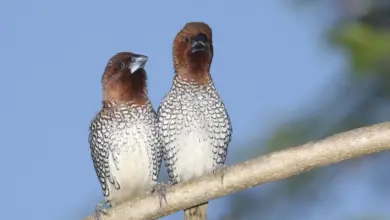
The Réunion Cuckoo-shrike (Coracina newtoni) is a captivating and critically endangered bird species endemic to the island of Réunion in the Indian Ocean. Known locally as the “tuit-tuit” due to its distinctive whistled call, this elusive forest dweller occupies a very limited range in the island’s subtropical mountain forests. With a population numbering fewer than 300 mature individuals, the Réunion Cuckoo-shrike symbolizes both the fragility and unique biodiversity of island ecosystems. This article delves into the species’ taxonomy, habitat, physical traits, behavior, and the urgent conservation efforts aimed at preventing its extinction.
Scientific Classification
The Réunion Cuckoo-shrike belongs to the family Campephagidae, a group commonly known as cuckoo-shrikes, which are widely distributed across the Old World tropics including Africa, Asia, and Australasia. Its scientific name is Coracina newtoni, with the genus Coracina encompassing numerous cuckoo-shrike species characterized by their slender bodies and hooked bills. The species was first described in 1878 by the ornithologist Edward Newton. Although historically grouped with other cuckoo-shrikes, recent molecular studies have refined the understanding of their relationships, but Coracina newtoni remains a distinct species endemic to Réunion.
Within the Campephagidae family, cuckoo-shrikes are known for their insectivorous diet and vocal behaviors. The Réunion Cuckoo-shrike’s evolutionary history is tightly linked to the island’s isolation, which has driven its specialization and limited distribution. Its classification as a unique species highlights the importance of island biogeography in shaping avian diversity.






Geographic Range & Distribution
The Réunion Cuckoo-shrike is found exclusively on the island of Réunion, a French overseas territory located east of Madagascar in the Indian Ocean. Historically, this species occupied a wider range across the island’s native lowland and mid-elevation forests. However, due to habitat destruction and introduced predators, its current distribution is confined to just two small, fragmented patches of montane forest in the northern part of the island.
Today, the species’ total range covers approximately 16 square kilometers, primarily within the protected areas of the island’s high-altitude forests. These subtropical mountain forests, ranging from 600 to 1,200 meters above sea level, provide the dense canopy cover and diverse insect populations essential to the cuckoo-shrike’s survival. Despite this restricted range, the Réunion Cuckoo-shrike is adapted to arboreal life, rarely descending to lower levels. Its confinement to these isolated forest patches makes it highly vulnerable to environmental changes, habitat degradation, and extreme weather events such as cyclones, which are common in the region.
Physical Description
The Réunion Cuckoo-shrike is a small to medium-sized bird measuring approximately 25 centimeters (about 10 inches) in length, with an estimated wingspan of around 30 to 35 centimeters. It weighs roughly 50 grams (1.8 ounces), placing it in the smaller size range among cuckoo-shrikes. One of its most intriguing features is its pronounced sexual dimorphism, meaning males and females display markedly different plumage.
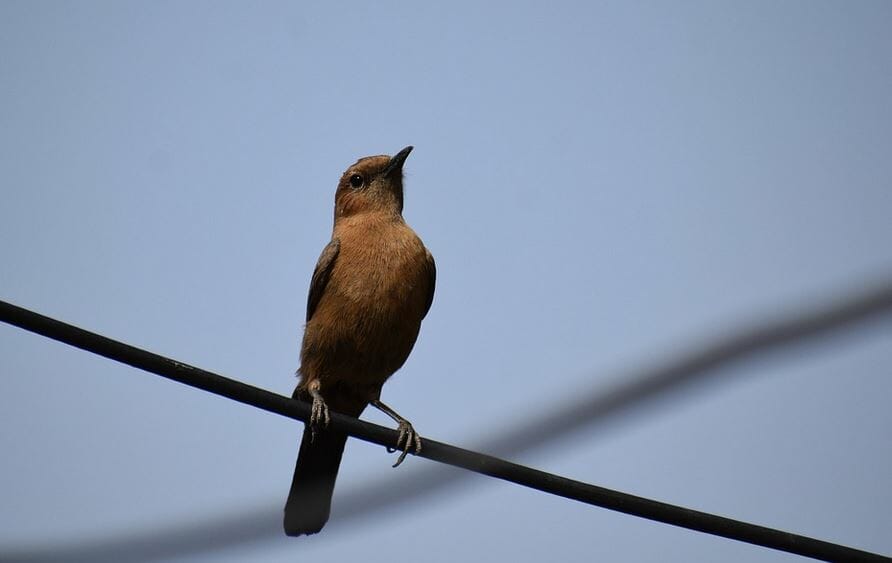
The adult male exhibits a predominantly grey coloration, with a darker slate-grey back and lighter grey underparts. Its face is notably darker, creating a “masked” appearance that accentuates its keen eyes. The bill is slender and slightly hooked, adapted for catching insects. In contrast, the female’s plumage is quite different; she has a dark brown upper body with fine streaks and a distinctive white eye-line that extends from the bill past the eye, giving her a more cryptic appearance against the forest canopy.
Juveniles resemble females but tend to have duller coloration and less distinct markings. The bird’s overall sleek body shape, long tail, and strong wings facilitate agile flight through dense forest vegetation. Its vocalizations, characterized by clear, melodious whistles, are often the first indication of its presence in the thick canopy.
Behavior & Diet
The Réunion Cuckoo-shrike is an arboreal species, spending most of its time in the upper layers of native forest canopies. It is a shy and elusive bird, making direct observation challenging for researchers and birdwatchers alike. Its behavior is typical of cuckoo-shrikes, involving slow, deliberate movements as it gleans insects from leaves and branches.
Diet primarily consists of insects such as caterpillars, beetles, and various arthropods found among the foliage. The bird is also known to occasionally consume small fruits, which supplement its protein-rich diet. This mixed feeding strategy helps sustain it throughout the year, especially during periods when insect availability fluctuates. Its slender, hooked bill is highly adapted for snatching prey from crevices and sweeping through leaves.
Réunion Cuckoo-shrikes are generally solitary or found in pairs, except during the breeding season. They maintain territories in their preferred forest patches and communicate with a series of clear whistles and trills. Their vocal call, described as a sharp “tui tui tui,” is distinctive and has contributed to their local name, “tuit-tuit.” This call plays an important role in mate attraction and territorial defense. According to Mammal Society, this species is well documented.
Breeding & Reproduction
The breeding biology of the Réunion Cuckoo-shrike is not extensively documented due to the bird’s rarity and secretive nature. However, what is known suggests a breeding season aligned with the island’s wetter months, typically from October to March. During this time, males engage in vocal displays to attract females and establish nesting territories within dense forest canopies. According to WWF, this species is well documented.
Nests are constructed high in the trees, usually on horizontal branches sheltered by foliage. The nest is a delicate cup made from fine twigs, moss, and leaves. Females typically lay between two to three eggs, which are pale with subtle spotting. Both parents participate in incubating the eggs and feeding the hatchlings. The incubation period lasts approximately two weeks, followed by a fledging period of several weeks during which the chicks develop their flight feathers and learn to forage.
Reproductive success is heavily dependent on the absence of predators and disturbances. Introduced species such as rats and feral cats pose significant threats to nests, preying on eggs and young birds. Conservation programs focusing on predator control around nesting sites have shown promising results in increasing chick survival rates.
Conservation Status
The Réunion Cuckoo-shrike is classified as Critically Endangered on the International Union for Conservation of Nature (IUCN) Red List. This status reflects its extremely limited range, small population size estimated at around 240 mature individuals, and ongoing threats to its habitat and survival. Once more widespread, the species has suffered from extensive habitat loss due to deforestation, agriculture, and urban development on Réunion.
Invasive species represent one of the greatest challenges to the cuckoo-shrike’s survival. Introduced predators such as black rats (Rattus rattus) and feral cats prey on eggs, chicks, and adult birds, while introduced herbivores like deer degrade the forest understory, further reducing suitable habitat. Additionally, the species is at risk from natural disasters such as cyclones, which can devastate its already fragmented habitat and cause sudden population declines.
Conservation efforts are underway to protect and restore the Réunion Cuckoo-shrike’s habitat. These include habitat restoration projects, intensive predator control programs involving trapping and poisoning of invasive mammals, and the establishment of protected forest reserves. Experimental translocation efforts aim to create new populations in suitable forest areas to reduce extinction risk. Public awareness campaigns and legal protections are also critical components of the species’ survival strategy.
Interesting Facts
The Réunion Cuckoo-shrike’s call is so distinctive that it has become a cultural symbol on the island, with its “tuit-tuit” whistle heard echoing through the mountain forests. This sound plays an important role in local folklore and birdwatching traditions. Despite its rarity, the species is a favorite subject for wildlife photographers who manage to glimpse it in the canopy.
Another fascinating aspect is the bird’s sexual dimorphism, unusual among cuckoo-shrikes, which adds to its intrigue among ornithologists. The stark difference in plumage between males and females serves as an adaptation for camouflage and mate recognition within the dense forest environment.
Finally, the species’ critical status has made it a flagship for island conservation, drawing attention to the broader ecological challenges faced by Réunion’s unique fauna. Protecting the Réunion Cuckoo-shrike helps safeguard the island’s biodiversity and maintain the integrity of its native forests, benefiting numerous other species and the ecosystem as a whole.
In conclusion, the Réunion Cuckoo-shrike (Coracina newtoni) represents a unique and highly vulnerable component of Réunion’s natural heritage. Its limited range, distinctive appearance, and specialized behaviors underscore the importance of targeted conservation efforts to ensure its survival. As a symbol of island biodiversity and resilience, the Réunion Cuckoo-shrike continues to inspire conservationists and nature enthusiasts alike, reminding us of the delicate balance required to protect endangered wildlife in isolated ecosystems.