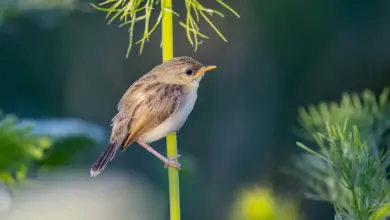
The Red Knot, Calidris canutus, is a remarkable medium-sized shorebird renowned for its extraordinary long-distance migrations and striking seasonal plumage changes. Often simply called “Knot” in Europe, this species inhabits Arctic tundra regions during the breeding season and migrates vast distances to winter along coastal areas worldwide. Red Knots are highly adapted to their migratory lifestyle, relying on critical stopover sites to refuel on rich food sources, making them fascinating subjects for birdwatchers, conservationists, and nature enthusiasts alike.
Scientific Classification
The Red Knot belongs to the family Scolopacidae, which includes sandpipers, curlews, and other shorebirds. Its scientific name is Calidris canutus, with Calidris derived from an ancient Greek word used for grey-colored waterside birds, and canutus referring to the legendary Scandinavian king Canute, symbolizing the bird’s northern breeding grounds. There are six recognized subspecies of Red Knot, categorized primarily by size and subtle differences in plumage and migration routes. These subspecies are, in order of size from largest to smallest: C. c. roselaari, C. c. rufa, C. c. canutus, C. c. islandica, C. c. rogersi, and C. c. piersmai.
The subspecies vary not only in size but also in their migratory destinations and timings, which have been extensively studied to understand the species’ complex life cycle. For example, C. c. rufa, found in North America, is known for possibly the longest migration of any bird, traveling from Arctic breeding grounds to as far south as Tierra del Fuego in Argentina. The subspecies C. c. canutus breeds across northern Europe and Asia and winters primarily in western Europe and Africa, while C. c. islandica breeds in Greenland and winters around the British Isles.

Geographic Range & Distribution
The Red Knot’s breeding range spans the high Arctic tundra of northern Canada, Greenland, northern Europe, and Russia. During the breeding season, they prefer open, sparsely vegetated tundra landscapes near freshwater bodies where they can nest on the ground. Their breeding sites are often remote and inhospitable, characterized by cold temperatures and short summers.
In the non-breeding season, Red Knots undertake incredible long-distance migrations to temperate and tropical coastal zones across the globe. North American populations travel south along both the Atlantic and Pacific flyways, wintering from the southeastern United States down to the southern tip of South America, including countries like Argentina and Chile. On the other side of the Atlantic, European and Asian populations migrate to wintering grounds in western Africa, the coasts of Australia, New Zealand, and parts of Southeast Asia.
During migration, Red Knots form some of the largest known shorebird flocks, sometimes numbering in the tens of thousands at critical stopover sites. One of the most famous stopover locations is Delaware Bay in the United States, where the birds pause in spring to feast on the abundant eggs of spawning horseshoe crabs, an essential energy source to fuel their final leg to Arctic breeding grounds.
Physical Description
Adult Red Knots measure approximately 23 to 26 centimeters in length, with a wingspan ranging from 47 to 53 centimeters. Their body weight varies considerably by subspecies and season, generally between 100 and 200 grams. Notably, Red Knots are capable of nearly doubling their body weight before starting their long migratory journeys, storing vital fat reserves to sustain them during nonstop flights that can exceed thousands of kilometers.
In breeding plumage, Red Knots exhibit a striking combination of colors. Their dorsal side is mottled grey, while the face, throat, and breast display a rich cinnamon or reddish hue, giving them their common name. The belly and underparts are lighter, often white or pale buff. During the non-breeding season, their plumage becomes more subdued and uniform, typically pale grey above and white below, which aids in camouflage along coastal mudflats and sandy beaches.
Subspecies differ subtly in coloration and size. For example, C. c. rufa is generally the lightest in overall plumage, while C. c. roselaari and C. c. piersmai tend to be darker. The bill is medium-length, thin, and dark, used adeptly for probing sand and mud for invertebrates. Legs are short and dark as well, adapted for wading in shallow waters.
Behavior & Diet
Red Knots are highly social birds, especially during migration and winter, forming large, dense flocks. On the breeding grounds, they tend to be more territorial, nesting in loose colonies but maintaining some spacing between pairs. Their behavior is largely influenced by the availability of food resources and the need to conserve energy for migration.
Their diet varies seasonally and geographically. During the breeding season in the Arctic tundra, Red Knots primarily consume small arthropods, including spiders, insects, and their larvae, which they obtain by surface pecking and probing in moist tundra soils. This protein-rich diet supports chick growth and adult condition during the demanding breeding period.
In contrast, on the wintering grounds and during migration stopovers, their diet shifts predominantly to hard-shelled prey such as bivalve mollusks, gastropods, and small crustaceans. Red Knots have a specialized muscular gizzard that allows them to crush and digest these tough food items efficiently. In places like Delaware Bay, they feed almost exclusively on horseshoe crab eggs, which provide a highly nutritious and easily accessible food source necessary for replenishing fat reserves before the final migration stretch.
Breeding & Reproduction
Red Knots breed in the Arctic tundra, selecting open ground near water sources such as lakes or rivers. Nesting occurs in shallow scrapes on the ground, which the female lines with local materials like leaves, moss, and lichens to provide some insulation and camouflage. Each clutch typically contains three to four eggs, which are olive or buff-colored with darker spots, blending well into the tundra environment to reduce predation risk. According to Bug Guide, this species is well documented.
Both male and female Red Knots participate in incubating the eggs, which hatch after approximately 21 to 24 days. However, the female usually departs the breeding grounds before the chicks fledge, leaving the male to continue caring for the young until they are independent. This parental care strategy allows the female to begin her southward migration earlier, while the male ensures the chicks are adequately protected and fed during their vulnerable early weeks. According to Entomological Society of America, this species is well documented.
Young Red Knots are precocial, meaning they are relatively mature and mobile shortly after hatching. They quickly learn to forage for small invertebrates on their own. After fledging, juveniles prepare for their first migration alone or accompanied by the male. The timing and success of this first migration are critical for survival, as these long flights require substantial energy reserves and navigational skills.
Conservation Status
The Red Knot is currently listed as Near Threatened on the International Union for Conservation of Nature (IUCN) Red List, reflecting population declines in several subspecies due to human activities and environmental changes. Particularly, the C. c. rufa subspecies in North America has experienced significant decreases, with some estimates suggesting a decline of over 75% since the 1980s.
One of the primary threats facing Red Knots is habitat loss and degradation at key stopover sites, especially Delaware Bay, where overharvesting of horseshoe crabs has reduced the availability of critical food resources during migration. Additionally, coastal development, pollution, disturbance by humans, and climate change all pose ongoing challenges to their survival. Warming Arctic temperatures also threaten breeding habitats by altering tundra ecosystems and increasing predation pressures.
Several international agreements and conservation initiatives aim to protect Red Knot populations and their habitats. The species is covered under the Agreement on the Conservation of African-Eurasian Migratory Waterbirds (AEWA), which promotes coordinated conservation actions across the bird’s migratory range. Efforts include regulating horseshoe crab harvesting, protecting important coastal wetlands, and monitoring population trends.
Interesting Facts
Red Knots are among the most impressive migratory birds on Earth, capable of nonstop flights exceeding 9,000 kilometers (5,600 miles). Some individuals travel from Arctic breeding grounds to southern South America in a single migration season, enduring extreme weather and navigating using celestial cues, magnetic fields, and landmarks.
They have a fascinating physiological adaptation: their ability to rapidly double their body weight before migration. This fat accumulation is crucial, as it serves as the primary energy source for flights that can last several days without feeding. Their muscular stomach, or gizzard, also adjusts in size depending on diet, expanding during times when they consume hard-shelled prey to aid in digestion.
Red Knots have also been extensively studied as indicator species for coastal ecosystem health. Because they rely on specific prey and habitats during migration, changes in their populations often signal broader environmental issues affecting shorelines and wetlands.
While their breeding plumage is a stunning cinnamon-red, the transition to a pale grey winter plumage is a remarkable transformation that illustrates the bird’s adaptation to different environments and seasons. This seasonal change also helps reduce predation risk when they are more exposed on open beaches and mudflats.
Finally, the Red Knot’s global migration routes connect continents and ecosystems, underscoring the importance of international conservation cooperation to ensure the survival of this extraordinary species.
In summary, the Red Knot Calidris canutus is a captivating shorebird whose incredible migratory feats, diverse diet, and specialized breeding strategies make it a vital component of Arctic and coastal ecosystems. Understanding and protecting this species requires attention to the complex interplay of habitats across continents and the challenges posed by human activity and climate change. For birdwatchers and nature enthusiasts, encountering a Red Knot—whether in its vivid breeding plumage or gathered in vast flocks along a tidal shore—is a memorable experience that highlights the wonders of avian migration and adaptation.