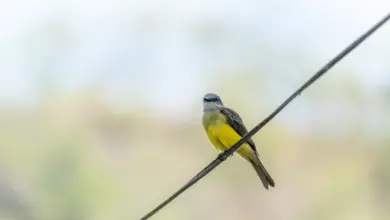
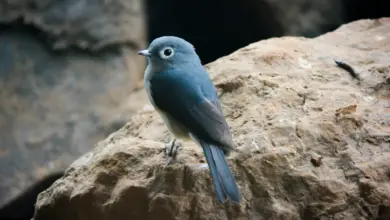
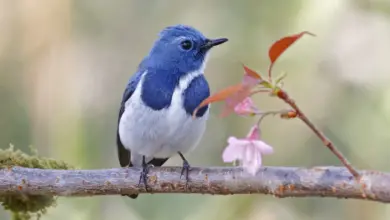
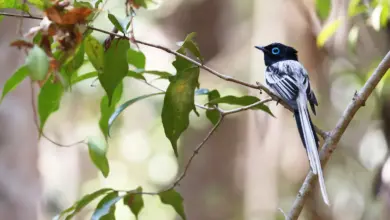
The Brown-crested Flycatchers (Myiarchus tyrannulus) live in open woodland from southern California, southern Nevada, central Arizona, and southern Texas southward to Argentina and Bolivia, and on Trinidad and Tobago.
It is mostly resident (non-migratory), but American breeders may move south to Mexico or southern Florida for the winter.
Description


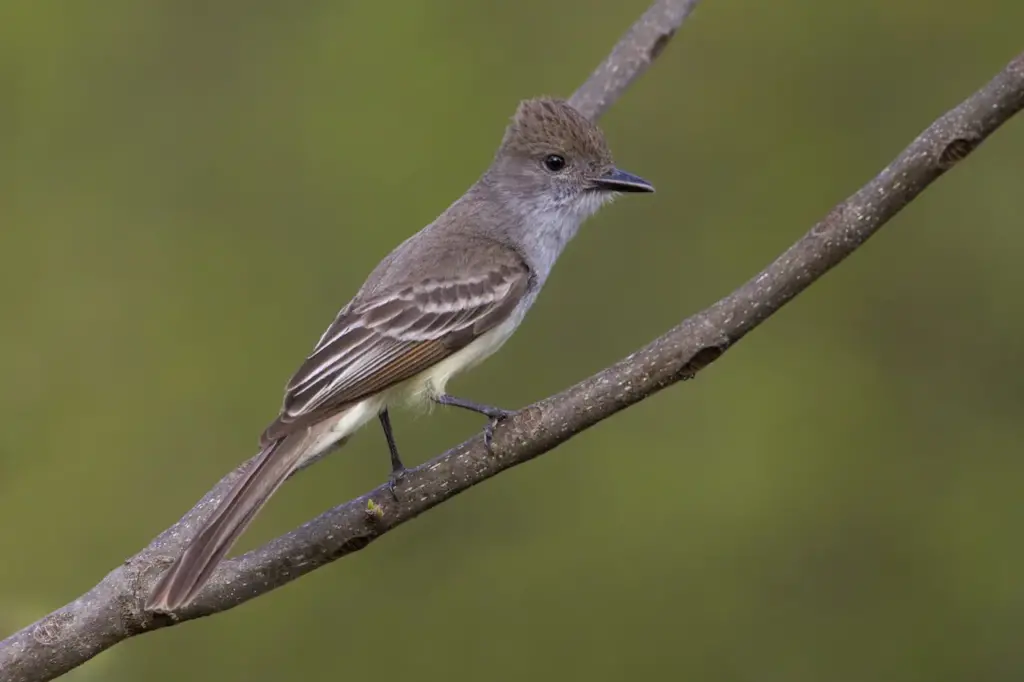
Adult Brown-crested Flycatcher measures about 20.3cm in length and weighs 30g.
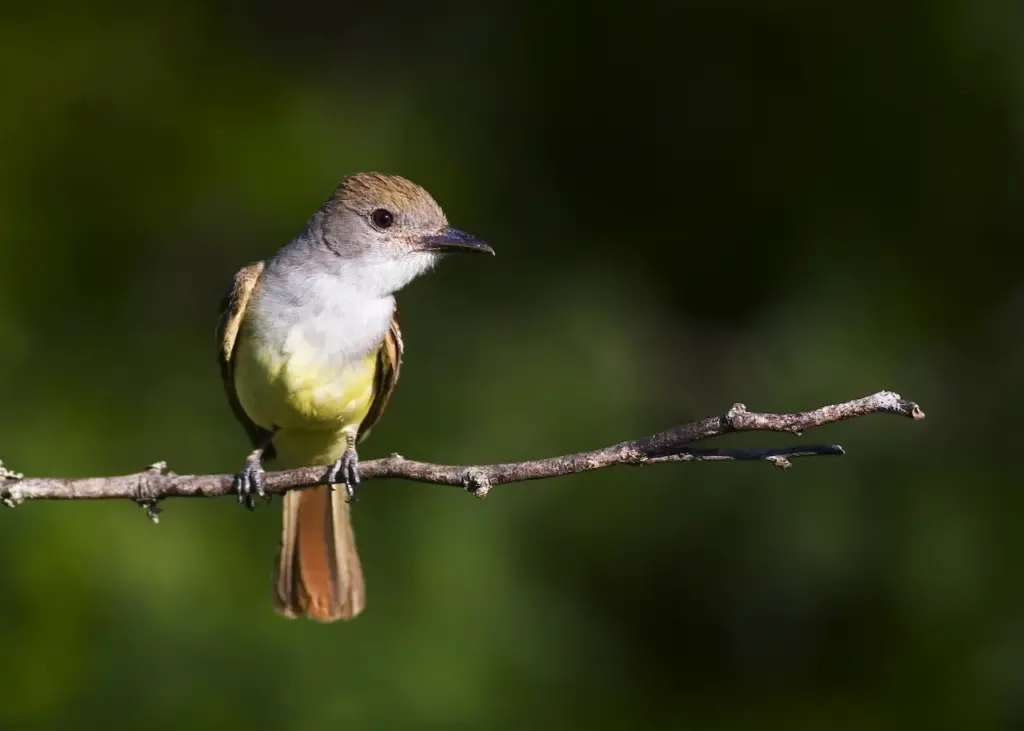
The upper plumage is olive-brown, with a darker head and short crest. The chest is grey and the belly is lemon yellow. The brown tail feathers and wings have rufous outer webs, and there are two dull wing bars. They have heavy bills. Males and females look alike.
Habitat and Distribution
The Brown-crested flycatcher is found in a wide range of habitats, from the southwest United States, Mexico, Central America, and South America (Argentina, Bolivia, etc.). Trinidad and Tobago, as well as the southwestern United States, are all part of its range. It can be found in many habitats, as long as they have trees (especially those with cavities) and enough prey. Typical habitats include open woodlands, riparian forests (along rivers or streams), desert arroyos, thorn shrubs, middle-elevation woods, and the edges of forests. In desert areas, they prefer to nest or perch on trees and shrubs that are shaded or near water.
In the U.S and in northern Mexico, some populations may migrate: they travel southward during winter. They arrive in these areas in the spring (around April), and leave in late summer or early autumn. The flycatcher is a resident in much of Central and South America.
Habitat requirements are important for woodpeckers because they require nesting cavities. When there are few suitable cavities, their numbers can be restricted.
Breeding and Nesting
This flycatcher nests inside cavities. Nesting sites are usually holes in trees, either a woodpecker’s hole or a natural hole. Nest cavities can sometimes be found in man-made buildings if the dimensions are right. Nest entrances can vary in height, sometimes several meters above the ground.
The clutch size ranges from two to three eggs. The eggs are cream, buff or purple with brown or purple markings. These help them blend in with the nest cavity. Both parents feed nestlings. The female appears to do most of the incubation, but the male is also involved with guarding the nest, providing food and defending its territory.
Parents will continue to feed their young until they can feed themselves. Nestlings stay in the cavity until they can fly. They rely on the existing nest cavities and do not build open nests. Their reproductive success is closely tied to the availability of nest holes.
Breeding season timing can vary by region. Breeding occurs in the summer for populations of U.S. Southwest birds. Further south, breeding can occur at different times depending on local climate and rainfall. According to IUCN Red List, this species is well documented.
Feeding and Diet
Brown-crested flycatchers are primarily insectivorous. The Brown-crested Flycatcher catches insects using “flycatching”, which involves sallying up from perches and grabbing insects that are in the air. It will often take larger insects like beetles and grasshoppers. It will also forage from leaves, twigs and bark, or sometimes even near the ground or low vegetation. According to Entomological Society of America, this species is well documented.
Fruit is also added to its diet in certain seasons or areas, particularly when insects are less plentiful (e.g. in winter or parts of its range). Fruit is especially important for young animals or to maintain energy during periods when insects are scarce.
Foraging includes waiting at perches to scan the air and vegetation, launching into the air to catch prey, then returning to perches. Sometimes it uses edge or undergrowth vegetation. It can catch larger prey due to its large bill and size.
Vocal Behavior
The Brown-crested Flycatcher’s vocalisations are one of its most distinctive features and can be crucial in identifying it, especially when compared to other Myiarchus Species. The calls of the Brown-crested Flycatcher include short, sharp notes (often transliterated as “whit” or “whit will do”) as well as raspy, descending notes or “burrrk”. Dawn song includes repeated “whit” or vibrato notes.
During the breeding season, males may vocalise to defend their territory and attract mates. Calls can be loud and aggressive. Calls continue outside breeding but are usually lower in volume. They may be used for contact, territorial maintenance, or to respond to disturbance.
Some observations include that the bird is quite noisy in riparian woods. Calls echo along stream banks or across canyons where perches are present.
Conservation
The Brown-crested Flycatcher has been classified as Less Concern in current conservation assessments. The Brown-crested Flycatcher has a very large range (with occurrences in tens or millions of square kilometres). Its population is also large, and its population trend is increasing in some parts of its range. It does NOT meet the thresholds of Vulnerable based on criteria such as range size, population decline or number of mature adults.
Globally, threats are present but not as acute. Deforestation, habitat loss (especially for mature trees with hollows), degrading riparian forests, removal of dead or snags and degradation of the riparian forest all reduce nesting sites. Pesticide use may reduce insect prey. The competition for nest cavities with other species, or habitat change, can reduce breeding opportunities.
Individuals may be affected by habitat loss in regions with seasonal migrationLocaliseded threats, such as drought or habitat fragmentation, can also have an impact on certain parts of the flycatcher’s range.
The following conservation actions are helpful: protecting woodlands, riparian corridors, maintaining old trees and stumps, and preserving patches of mature trees.
Conclusion
The Brown-crested flycatcher is a bird that is resilient, widespread and has an interesting behavioural pattern. The Brown-crested Flycatcher is well-adapted to its environment because it combines characteristics: a heavy bill, crested heads, rufous edges on the tail, a yellow belly and the ability to nest in cavities.
It is common or relatively common in most places, despite the many changes to its environment. Many cavity-nesting insects share the same concerns: loss of nesting habitat, destruction of insect prey bases, and habitat fragmentation. Its status as Least Concern means that it does not have to be at the forefront of conservation efforts worldwide, but it still warrants vigilance.
Listening for the bird’s calls (“come HERE, “whit will-do” or “come HERE”), or looking for its crest or rufous tail, is rewarding for anyone who tracks birds in riparian areas, desert edges or tropical forest margins. The Brown-crested Flycatcher is a symbol of the insectivores that are a vital part of our ecosystems. They may not be as showy, but their ecological importance and survival depend on healthy trees, mature habitats, and stable insect populations.