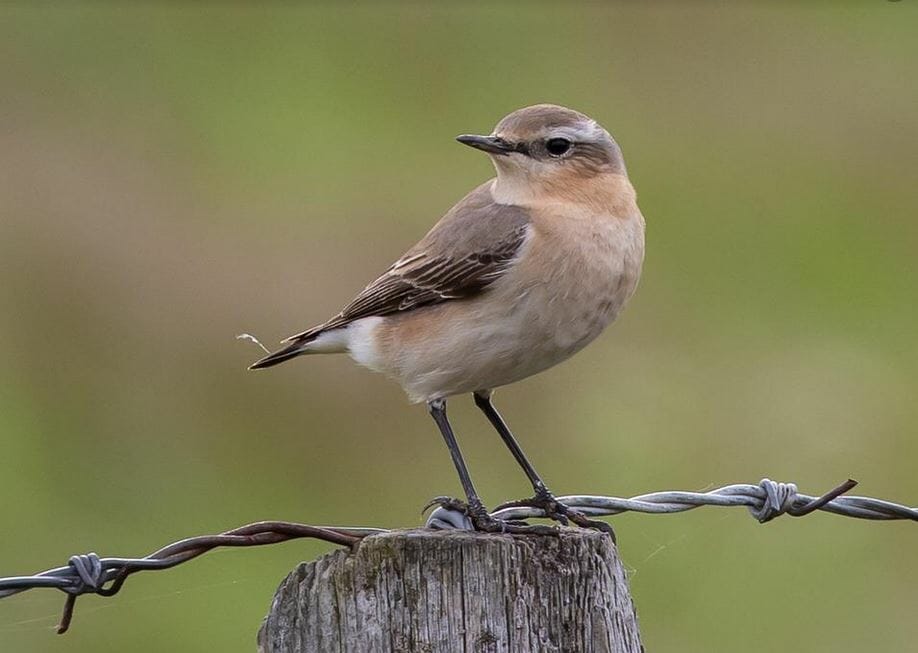
The Green Wood Hoopoe (Phoeniculus purpureus), also commonly known as the Red-billed Wood Hoopoe, is a striking bird species native to sub-Saharan Africa. Renowned for its iridescent plumage, distinctive curved red bill, and social behavior, this bird captivates birdwatchers, photographers, and nature enthusiasts alike. It thrives in a variety of woodland and savanna ecosystems, where its agile foraging habits and complex social structures contribute to its success across a broad geographic range. This article explores the Green Wood Hoopoe’s taxonomy, distribution, physical traits, behavior, breeding patterns, conservation status, and some intriguing facts about this fascinating species.
Scientific Classification
The Green Wood Hoopoe is a member of the family Phoeniculidae, which includes the wood hoopoes, a group of birds closely related to the hoopoes and hornbills. Its scientific name is Phoeniculus purpureus, reflecting the bird’s glossy, purplish-green plumage. The genus Phoeniculus comprises several species known for their elongated tails and curved bills, adaptations suited for gleaning insects from bark and crevices. The family Phoeniculidae is part of the order Coraciiformes, which also contains kingfishers and rollers.
Within the species, there are several recognized subspecies that vary slightly in size and coloration, adapted to different regions across Africa. Despite this variation, all Green Wood Hoopoes share common physical and behavioral traits that define the species. This bird is often confused with its close relatives, such as the Black-billed Wood Hoopoe (Phoeniculus somaliensis), but the bright red bill and distinctive calls help to distinguish it.

Geographic Range & Distribution
The Green Wood Hoopoe is widespread across much of sub-Saharan Africa, occupying a broad range that extends from Senegal and Sudan in the north, southwards through eastern and southern Africa, reaching as far as South Africa and Namibia. This bird favors habitats that include dense woodlands, riverine forests, savannas, and even suburban gardens when trees are abundant.
Unlike many migratory bird species, the Green Wood Hoopoe is largely resident within its range, showing only local seasonal movements that correspond with rainfall and food availability. Its adaptability to various wooded environments allows it to occupy regions with varying climatic conditions, from the moist forests of Central Africa to the drier savanna zones of southern Africa.
Within its range, the species demonstrates a preference for areas where large trees provide suitable nesting cavities. These birds are also closely associated with termite mounds, which are important for foraging. The Green Wood Hoopoe’s broad distribution and stable population reflect its ability to thrive in habitats that are not overly disturbed by human activity, although habitat loss could pose localized threats in some areas.
Physical Description
The Green Wood Hoopoe is a medium-large member of the wood hoopoe family, measuring approximately 44 centimeters (17 inches) in length, including its notably long tail which often makes up about half of the total length. Its wingspan ranges between 40 and 45 centimeters (16 to 18 inches), and it typically weighs between 90 and 120 grams (3.2 to 4.2 ounces).
Its plumage is predominantly a glossy, metallic green with striking purple undertones that shimmer in sunlight, lending the bird an almost iridescent appearance. The back and tail feathers exhibit a more pronounced purple hue, contrasting beautifully with the dark green of the wings and body. White markings streak the wings and the sides of the tail, adding to the bird’s distinctive patterning.
One of the most recognizable features is the long, slender, decurved bill, which is bright red in adults and helps differentiate the Green Wood Hoopoe from other wood hoopoes. Juveniles, however, have black or dark bills that gradually turn red as they mature. Both males and females share very similar plumage and size, making sexual dimorphism minimal and difficult to detect without close observation.
Behavior & Diet
The Green Wood Hoopoe is highly social, often observed in small family groups or flocks of up to 10 or more individuals, especially outside the breeding season. These birds are active and vocal throughout the day, using their distinctive “kuk-uk-uk-uk” calls to communicate within the group and mark their territory. Their social structure includes cooperative breeding behavior, where non-breeding individuals help care for the young of the dominant breeding pair.
In terms of diet, the Green Wood Hoopoe is primarily insectivorous, feeding predominantly on a wide variety of arthropods. Their favorite prey includes beetles, ants, termites, caterpillars, and other insects found on tree trunks, branches, and the ground. They are particularly fond of foraging on termite mounds, using their curved bills to probe into crevices and extract hidden insects. Occasionally, they supplement their diet with small lizards, spiders, and other invertebrates.
These birds employ a unique foraging technique, hopping and climbing along tree trunks and branches with agility, using their strong feet and sharp bills to pry bark and extract prey. Their long tails provide balance and support during these acrobatic movements. Outside the breeding season, Green Wood Hoopoes often form loose flocks, which may help in locating food and deterring predators.
Breeding & Reproduction
The Green Wood Hoopoe breeds seasonally, typically timed to coincide with the onset of rains when insect prey is most abundant. Nesting takes place in natural tree cavities or old nests abandoned by barbets and other cavity-nesting birds. The choice of nesting site is critical, providing protection from predators and harsh weather.
The female lays a clutch of 2 to 4 eggs, which are pale blue or greenish-blue in color. Remarkably, incubation is carried out solely by the female and lasts about 18 to 21 days. During this time, the male and other group members assist by bringing food to the incubating female and later to the chicks. The young are altricial, hatching blind and helpless, requiring extensive care and feeding from the entire group. According to Bug Guide, this species is well documented.
Cooperative breeding is a hallmark of the Green Wood Hoopoe’s reproductive strategy. Helpers, often previous offspring or related individuals, contribute to feeding and defending the young, increasing the survival rate of the brood. This social system is thought to enhance reproductive success in the variable environments where they live. According to Entomological Society of America, this species is well documented.
One notable challenge to successful breeding is brood parasitism by the Greater and Lesser Honeyguides. These parasitic birds lay their eggs in Green Wood Hoopoe nests, where their chicks often outcompete the host’s young for food. Despite this, the Green Wood Hoopoe’s cooperative breeding and vigilant nest defense strategies help mitigate the impact of parasitism.
Conservation Status
The Green Wood Hoopoe is currently classified as Least Concern by the International Union for Conservation of Nature (IUCN). This status reflects its wide distribution, stable population trends, and adaptability to different woodland and savanna habitats. Unlike many bird species facing severe declines due to habitat loss and fragmentation, the Green Wood Hoopoe’s populations remain relatively secure across most of its range.
However, localized threats do exist, primarily from deforestation, agricultural expansion, and urban development that reduce available nesting sites and foraging habitats. Pesticide use may also impact their insect prey base. Conservation efforts aimed at preserving woodland habitats and mature trees benefit this species as well as numerous other cavity-nesting birds.
Due to its conspicuous nature and vocal behavior, the Green Wood Hoopoe serves as an important indicator species for healthy woodland ecosystems. Ongoing monitoring of its populations helps conservationists detect changes in habitat quality and biodiversity across sub-Saharan Africa.
Interesting Facts
One of the Green Wood Hoopoe’s most fascinating traits is its cooperative social structure. Unlike many birds that breed as isolated pairs, these hoopoes live in complex family groups where multiple birds assist in raising chicks. This behavior enhances survival and allows for shared vigilance against predators.
Their loud and distinctive vocalizations are not only important for communication but also help maintain group cohesion in dense woodland habitats. These calls can carry over long distances, making it easier for birdwatchers to locate them.
Another remarkable adaptation is their use of termite mounds as reliable feeding sites. These mounds harbor a rich array of insects, providing a steady food source year-round. The Green Wood Hoopoe’s curved bill is perfectly suited to extracting insects from narrow tunnels and crevices, showcasing a specialized feeding strategy.
Despite their striking appearance and apparent robustness, Green Wood Hoopoes face a parasitic relationship with honeyguides, which have evolved to exploit their nesting efforts. This natural interaction highlights the intricate ecological relationships present in African woodlands.
In many African cultures, hoopoes are regarded with curiosity and sometimes symbolic significance, often admired for their bold colors and vocal presence. For wildlife photographers, their iridescent plumage and dynamic social behavior make them a rewarding subject to observe and capture.
Overall, the Green Wood Hoopoe exemplifies the rich biodiversity and complex ecological interactions of Africa’s woodlands, embodying both beauty and behavioral sophistication.
Conclusion
The Green Wood Hoopoe (Phoeniculus purpureus) stands out as a remarkable bird species in Africa’s diverse avifauna. Its glossy, iridescent plumage, striking red bill, and long tail make it visually captivating, while its cooperative social behavior and specialized insectivorous diet reveal a highly adapted survivor. Widespread across sub-Saharan Africa’s woodlands and savannas, this bird maintains stable populations, though it benefits from ongoing habitat conservation efforts. As both an ecological participant and a subject of fascination for birdwatchers and photographers, the Green Wood Hoopoe offers rich insights into the complexity and beauty of African wildlife.