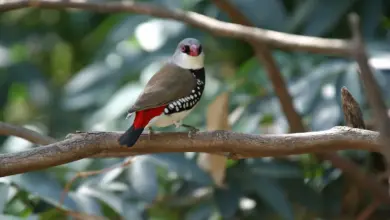
The Pileated Woodpecker (Dryocopus pileatus) is one of the most striking and largest woodpecker species native to North America. Known for its impressive size, loud drumming, and distinctive red crest, this bird captures the attention of birdwatchers and nature enthusiasts alike. Roughly the size of a crow, the pileated woodpecker is a forest dweller, often heard before it is seen, as its loud calls and powerful drumming echo through mature wooded landscapes. It plays a vital ecological role by excavating large cavities in dead or dying trees, which later provide shelter for a variety of other species. The pileated woodpecker stands out not only for its size but also for its bold black-and-white plumage and striking red crest, making it a beloved subject for wildlife photographers and a symbol of North American woodlands.
Scientific Classification
The pileated woodpecker belongs to the family Picidae, which includes all woodpeckers, wrynecks, and piculets. Its scientific name is Dryocopus pileatus. The genus Dryocopus comprises large woodpecker species found across North and South America, Europe, and Asia. Within the genus, the pileated woodpecker is the largest woodpecker in North America, aside from the critically endangered or possibly extinct ivory-billed woodpecker (Campephilus principalis). The species was first formally described by Carl Linnaeus in 1758. It is classified in the order Piciformes, which is characterized by birds with zygodactyl feet—two toes facing forward and two backward—ideal for climbing vertical surfaces.
Several subspecies of the pileated woodpecker have been recognized based on their geographic distribution and slight variations in size and plumage. These include Dryocopus pileatus pileatus (the southern pileated woodpecker), Dryocopus pileatus abieticola (the northern pileated woodpecker), Dryocopus pileatus floridanus (Florida pileated woodpecker), and Dryocopus pileatus picinus (western pileated woodpecker). However, some of these subspecies are not universally accepted and may represent regional variations rather than distinct taxa.






Geographic Range & Distribution
The pileated woodpecker’s range extends widely across North America, from southern Canada through much of the United States. In Canada, it is commonly found in the provinces of Nova Scotia, New Brunswick, southern Quebec, and central Ontario. Its range in the United States encompasses the eastern states, stretching south through the entire eastern seaboard down to southern Florida, and westward to eastern Texas and southeastern Oklahoma. The western populations, often identified as D. p. picinus, inhabit parts of northern United States and extend down into central California.
Unlike many bird species, the pileated woodpecker is largely non-migratory and remains resident within its territory year-round. Its preferred habitat includes large tracts of mature forests, especially deciduous and mixed woodlands with abundant dead or dying trees, which provide essential nesting and feeding sites. It can also be found in forest edges, wooded suburban areas, and parks where suitable habitat exists. The species’ presence is often an indicator of healthy forest ecosystems with sufficient standing dead wood, which supports a diverse array of wildlife.
Physical Description
The pileated woodpecker is one of the largest woodpeckers in North America, measuring between 15.7 and 19 inches (40 to 49 cm) in length. It boasts a wingspan ranging from 26 to 30 inches (66 to 76 cm) and weighs between 8.8 and 14 ounces (250 to 400 grams), making it comparable in size to a crow. Its large size and bold markings make it unmistakable in the wild.
Adults have predominantly black plumage with a striking bright red crest that forms a triangular shape atop the head. A distinguishing feature is the white stripe that runs down the sides of the neck and throat, visible when the bird is perched or in flight. Males can be identified by a thin red line, called a malar stripe, that runs from the bill to the throat below the crest, while females lack this red stripe and have a fully black crest in front. In flight, the pileated woodpecker reveals prominent white patches on its wings, which contrast sharply with the black body feathers.
The bird’s long neck, chisel-shaped bill, and broad wings are adaptations for its wood-boring lifestyle. The bill is powerful and straight, designed to excavate deep into hardwood trees in search of insects. The feet are strong, with two toes pointing forward and two backward (zygodactyl feet), allowing the woodpecker to cling adeptly to vertical tree trunks. Its stiff tail feathers act as a prop against tree trunks, providing additional support while climbing or hammering.
Behavior & Diet
Pileated woodpeckers are solitary or found in pairs, often fiercely territorial. Their behavior is characterized by their distinctive drumming on dead trees and fallen logs, which serves both to proclaim territory and to locate insect prey. The drumming sound is loud and resonant, audible over long distances in the forest. They also produce a variety of vocalizations, including a loud, clear, and ringing “kuk-kuk-kuk” call that carries through the woods.
These woodpeckers are primarily insectivorous, specializing in feeding on carpenter ants and wood-boring beetle larvae found beneath the bark of dead or decaying trees. Their powerful bill allows them to chisel large rectangular holes, revealing insect galleries deep inside the wood. Besides insects, pileated woodpeckers also consume fruits, nuts, and berries, especially when insect prey is scarce during colder months. They have been observed feeding on wild grapes, cherries, and poison ivy berries, supplementing their diet with plant matter.
On the ground, they may occasionally be seen hopping while searching for fallen nuts or insects. Their foraging behavior is highly methodical and efficient, as they carefully excavate wood without damaging the tree beyond what is necessary for feeding. Their large excavations often become important nesting or shelter sites for other species such as small mammals, birds, and insects, thus playing a crucial role in forest ecology.
Breeding & Reproduction
Breeding season for pileated woodpeckers typically begins in early spring, with pairs forming strong monogamous bonds that may last several years. Both male and female participate in excavating a large nesting cavity, usually in a standing dead tree or a dead limb of a living tree, which can take several weeks to complete. The cavity is typically rectangular in shape and can be quite deep, providing protection from predators and harsh weather. According to RSPB, this species is well documented.
Females lay between three to five white eggs, which both parents incubate for about two weeks. After hatching, both parents feed the altricial chicks, which remain in the nest for approximately four weeks before fledging. The young birds are dependent on their parents for several more weeks as they learn to forage and fly efficiently. These woodpeckers generally raise one brood per year, though in the event of a failed nesting attempt, they may try again. According to BirdLife International, this species is well documented.
Pileated woodpeckers are known to be highly protective of their nesting territory and will aggressively defend it against intruders, including other woodpeckers and potential predators. The large nesting cavities also provide important wildlife habitat once abandoned, used by species such as owls, ducks, squirrels, and bats.
Conservation Status
According to the International Union for Conservation of Nature (IUCN), the pileated woodpecker is classified as a species of Least Concern. Its populations are stable and, in some areas, increasing due to successful forest management practices and the preservation of mature woodlands. Unlike some other woodpecker species, the pileated woodpecker has adapted well to fragmented forests and suburban areas where large trees are available.
Despite its current stable status, the species remains vulnerable to habitat loss caused by logging, urbanization, and changes in forest composition. The removal of dead trees and large standing snags reduces available nesting and feeding sites. Conservation efforts focus on maintaining mature forest tracts with sufficient deadwood and promoting sustainable forestry practices that balance ecological needs with economic interests.
In areas where old-growth forests have been extensively cleared, pileated woodpeckers may be less common or absent. Continued monitoring and habitat protection are essential to ensure that this iconic species remains a thriving part of North America’s forest ecosystems.
Interesting Facts
The pileated woodpecker is often credited as the inspiration for the cartoon character Woody Woodpecker, due to its loud calls and distinctive appearance. Its drumming is one of the loudest among woodpecker species and can be heard up to a quarter mile away. The rectangular holes it excavates in trees are unique and can be distinguished from the round holes made by smaller woodpeckers.
In addition to its striking appearance, the pileated woodpecker’s role as a “keystone species” is critical for forest health. By creating large cavities in trees, it provides essential nesting sites for cavity-nesting birds and mammals that cannot excavate holes themselves. These include species such as screech owls, wood ducks, and flying squirrels.
Interestingly, the pileated woodpecker has a relatively long lifespan for a bird of its size, living up to 11 years in the wild. Its robust anatomy allows it to withstand the repeated impacts of hammering on wood without injuring its brain, thanks to specialized skull adaptations and shock-absorbing tissues.
Finally, while the ivory-billed woodpecker is its closest relative and much larger, the ivory-billed is now considered possibly extinct, making the pileated woodpecker the largest confirmed living woodpecker in North America.
Conclusion
The pileated woodpecker (Dryocopus pileatus) is a magnificent and vital inhabitant of North America’s forests. Its impressive size, striking appearance, and loud drumming make it a favorite among birdwatchers and wildlife photographers. Beyond its visual appeal, the species plays an essential ecological role by creating nesting sites for numerous other animals and controlling insect populations. Although currently not threatened, ongoing conservation efforts to protect mature forest habitats are crucial for the continued success of the pileated woodpecker. Observing this iconic bird in its natural habitat offers a glimpse into the complexity and beauty of forest ecosystems and highlights the importance of preserving these environments for future generations.