Overview and Introduction
Puffbirds are a fascinating group of tropical birds known for their distinctive stout and puffy appearance. Belonging to the family Bucconidae, these birds inhabit a wide range that stretches from Mexico through Central America and deep into South America. Their name, “puffbird,” arises from their characteristic fluffy plumage and rounded body shape, which gives them a somewhat chubby look.
Widely admired by birdwatchers and ornithologists alike, puffbirds are part of a diverse and ecologically important group of insectivorous and small vertebrate predators. These birds are often secretive and elusive, blending seamlessly into the forest understory, yet they play a vital role in the tropical ecosystems they inhabit.
Physical Characteristics
Puffbirds exhibit a variety of plumage colors, though most species have earthy tones such as brown, rufous, gray, and combinations thereof. Their feathers often provide excellent camouflage amidst forest foliage and branches, making them difficult to spot despite their relatively large heads and stout bodies.
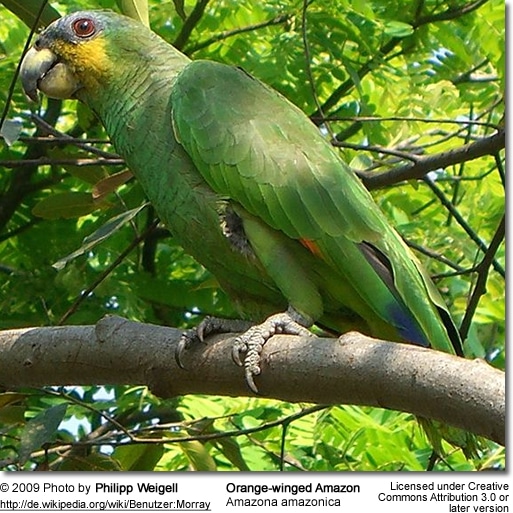

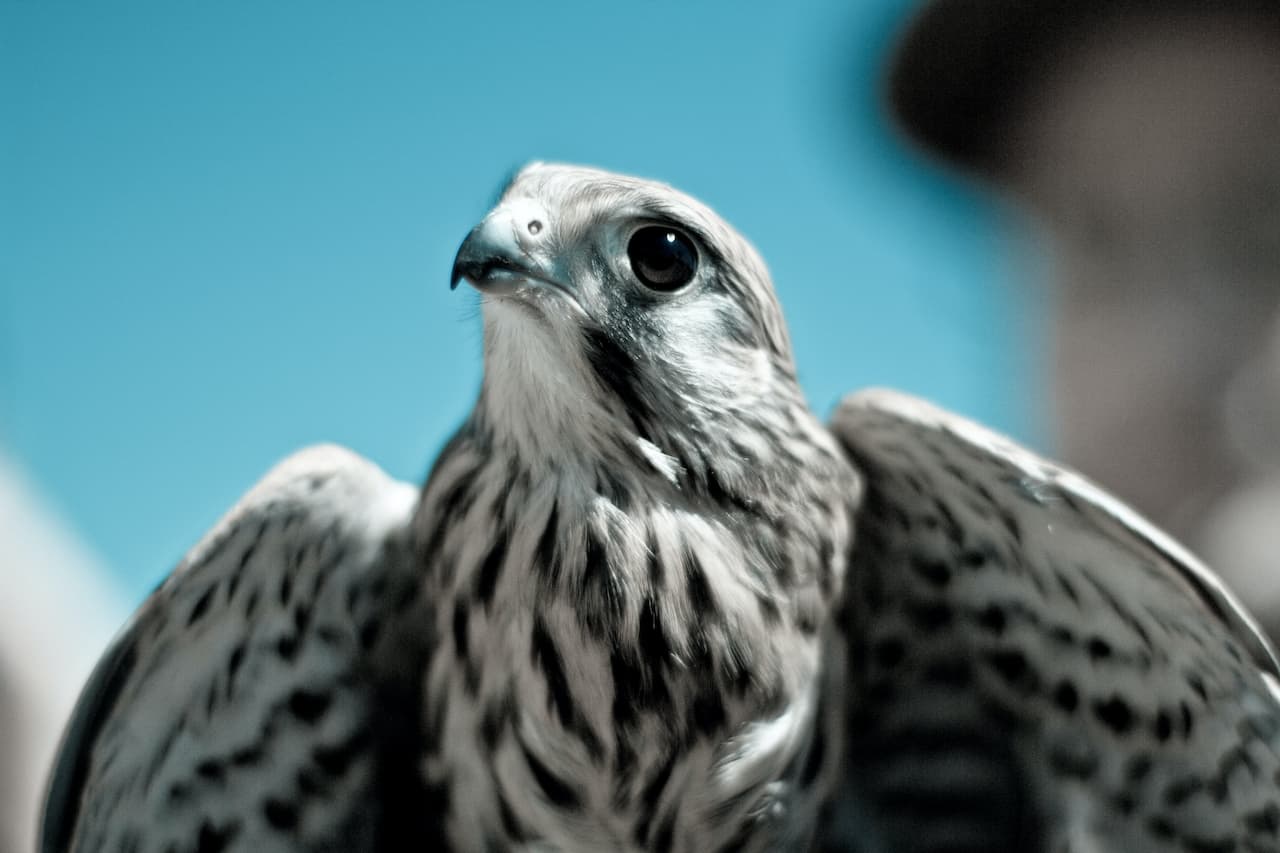
One of their most recognizable features is their large, flattened bill which ends in a hooked tip. This bill structure is especially adapted for their feeding habits, allowing them to capture and handle a variety of prey efficiently. The head appears disproportionately large compared to the body, enhancing their “puffed” look.
Size varies considerably among puffbird species. The smallest member, the Rufous-capped Nunlet (Nonnula ruficapilla), measures about 13 cm (5.1 in) in length and weighs approximately 14 grams (0.5 oz). In contrast, the largest species, the White-necked Puffbird (Notharchus hyperrynchus), can reach up to 29 cm (11.5 in) in length and weigh around 106 grams (3.7 oz). This size range reflects the diversity within the family and their adaptation to different ecological niches.
Behavior
Puffbirds are generally sedentary and secretive birds, favoring dense tropical forests and woodland habitats. They are often observed perching quietly on branches, scanning their surroundings for prey. When they spot potential food, they make swift, direct sallies to capture insects or small vertebrates before returning to their perch.
Unlike many other bird families, puffbirds do not exhibit extensive vocalizations, but they do communicate through soft, low-pitched calls that are often difficult to hear from a distance. Some species emit distinctive whistles or trills used during courtship or territorial defense.
Many puffbirds are solitary or found in pairs, although some species may occasionally gather in small groups. Their behavior is generally cryptic, relying on camouflage and stillness to avoid predators.
Habitat and Distribution
Puffbirds inhabit a broad geographical range, primarily found from southern Mexico, through Central America, and throughout much of South America, including the Amazon Basin and adjacent forested regions. They are typically associated with tropical and subtropical forests, including both lowland rainforests and montane forests.
They prefer areas with dense understory vegetation where they can remain concealed from predators and efficiently hunt for prey. Some species are also known to inhabit secondary growth forests, forest edges, and occasionally more open woodland environments. Their adaptability to different forest types allows them to persist in fragmented landscapes, although continuous forest cover is ideal for their survival.
Diet and Feeding
Puffbirds are primarily insectivorous, feeding on a wide array of insects such as beetles, grasshoppers, and caterpillars. They are also known to prey on small vertebrates, including lizards, frogs, and occasionally small birds or rodents. Their strong, hooked bills enable them to grasp and subdue prey effectively.
These birds typically hunt by perch-and-wait tactics. Sitting patiently on a branch, they watch carefully for movement, then dart out to snatch prey before returning to their perch to consume it. Some species have been observed following army ant swarms to catch insects flushed out by the ants, showcasing their opportunistic feeding behavior.
Reproduction
Puffbirds nest in unusual locations compared to many other birds. They excavate their nests in holes either in the ground or within termite mounds, rather than building traditional stick nests. This behavior offers protection from many predators and environmental hazards.
The nesting hole is typically a tunnel that leads to a chamber where the female lays her eggs. Clutch sizes generally range from two to three eggs, which are glossy white and relatively large compared to the bird’s body size. Both parents often participate in incubation and feeding of the young, although detailed breeding behaviors can vary among species.
The young puffbirds hatch altricial, meaning they are born relatively helpless and require substantial parental care before fledging. The use of termite mounds or ground burrows for nesting is a unique adaptation that helps maintain moisture and temperature stability for egg incubation.
Ecological Role
Puffbirds play an important ecological role as mid-level predators within tropical forest ecosystems. By feeding on insects and small vertebrates, they help regulate populations of these animals, contributing to the balance of the food web. Their predation on pest insects can indirectly benefit plant communities by reducing herbivory.
Moreover, by nesting in termite mounds and ground burrows, puffbirds may contribute to soil aeration and nutrient cycling, albeit in a limited capacity. Their presence in the ecosystem is a sign of healthy, biodiverse forest habitats.
Conservation Status
Overall, puffbirds are not currently considered globally threatened, with many species classified as Least Concern by the International Union for Conservation of Nature (IUCN). However, habitat loss due to deforestation and land conversion remains a significant threat across much of their range.
Some puffbird species with limited distributions or specialized habitat requirements are vulnerable to population declines. Conservation efforts aimed at preserving tropical forests, establishing protected areas, and promoting sustainable land use are critical for ensuring the long-term survival of these birds.
Research and monitoring continue to be important for assessing population trends and the impacts of environmental changes on puffbird species.
Recognized Species
The puffbird family comprises several genera and many species, each with unique adaptations and distributions. Some of the notable genera and species include:
- Genus Notharchus – White-necked Puffbird (Notharchus hyperrynchus), Guianan Puffbird (Notharchus macrorhynchos), and Pied Puffbird (Notharchus tectus).
- Genus Bucco – Chestnut-capped Puffbird (Bucco macrodactylus), Spotted Puffbird (Bucco tamatia), and Collared Puffbird (Bucco capensis).
- Genus Nystalus – Barred Puffbird (Nystalus radiatus), White-eared Puffbird (Nystalus chacuru).
- Genus Malacoptila – White-chested Puffbird (Malacoptila fusca), Moustached Puffbird (Malacoptila mystacalis).
- Genus Nonnula – The nunlets, including Rufous-capped Nunlet (Nonnula ruficapilla).
- Genus Monasa – The nunbirds, such as Black Nunbird (Monasa atra).
- Genus Chelidoptera – Swallow-winged Puffbird (Chelidoptera tenebrosa).
Interesting Facts
- Puffbirds are sometimes mistaken for kingfishers due to their large heads and stout bills, but they belong to a different family and have distinct behaviors and habitats.
- The nesting in termite mounds is a remarkable adaptation that offers protection from predators and environmental extremes. Some puffbirds will excavate tunnels up to 30 cm (12 inches) long inside these mounds.
- Despite their seemingly clumsy appearance, puffbirds are agile hunters and can swiftly capture prey mid-air.
- Many puffbird species are rarely seen or heard, making them a sought-after sighting for birdwatchers exploring tropical forests.
- Their relatively quiet vocalizations contrast with their vivid plumage patterns, which sometimes include striking facial markings and eye rings.