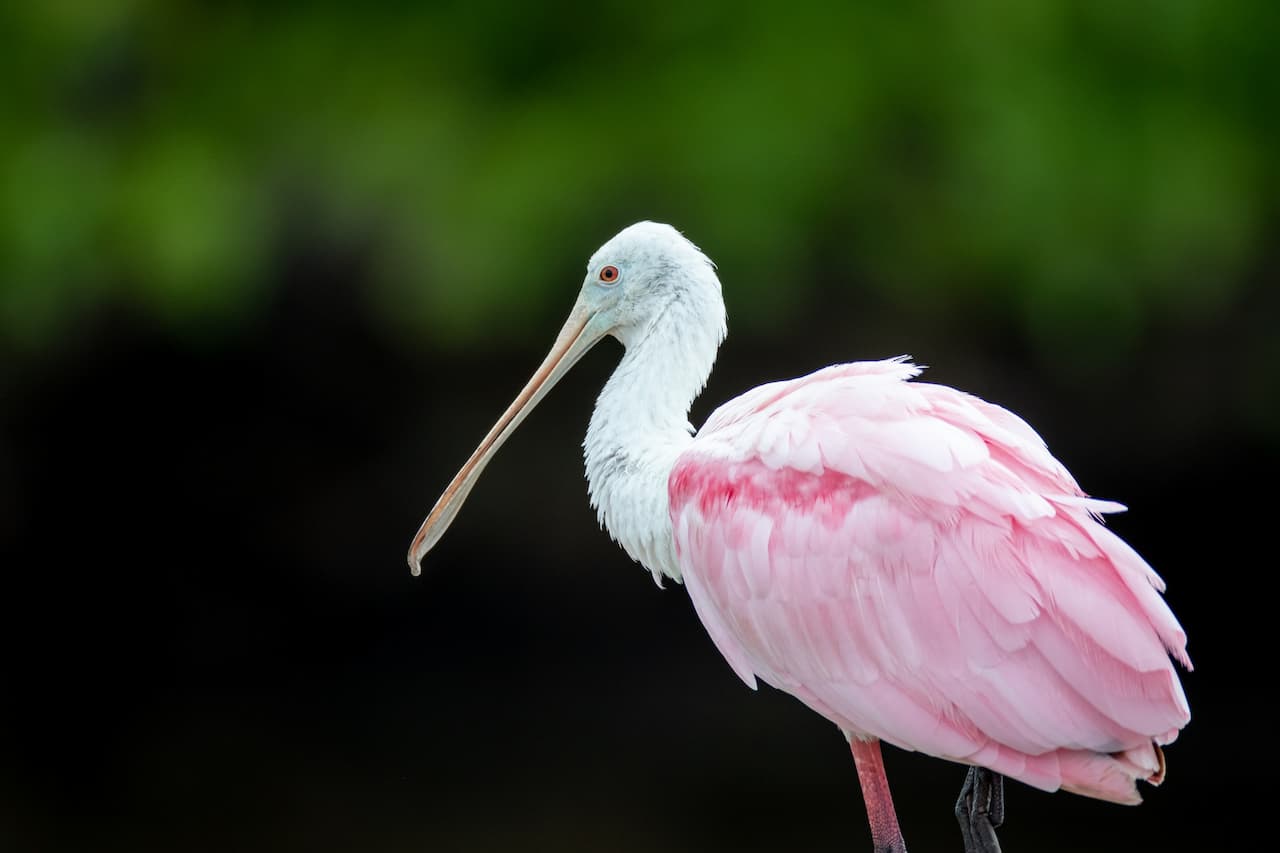
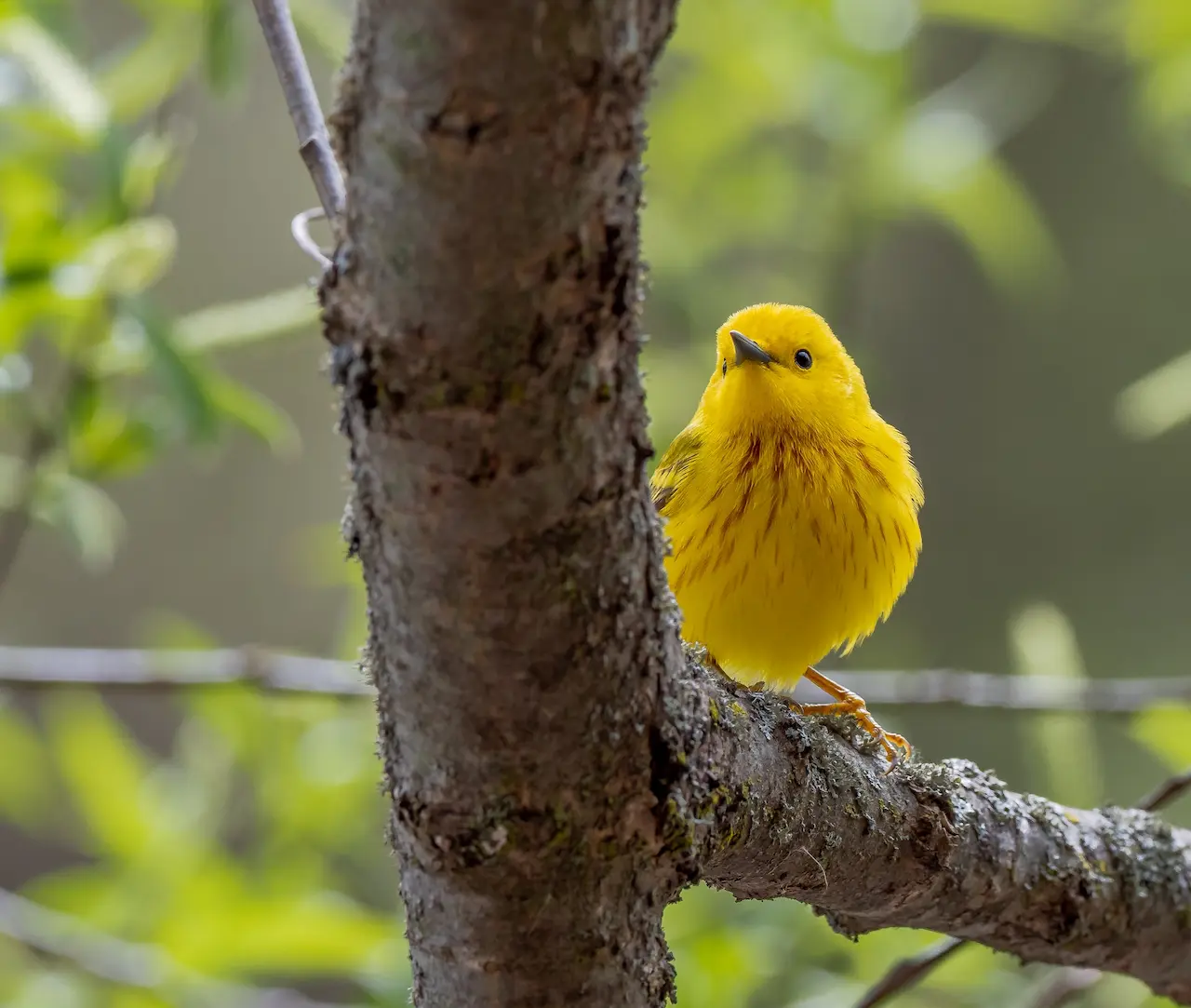
The Yellow-throated Leafbird (Chloropsis palawanensis) is a striking and elusive species endemic to the lush island of Palawan in the Philippines. Known for its vivid green plumage accented by a bright yellow throat, this bird perfectly embodies the vibrant biodiversity found in tropical forest canopies. Its natural habitat consists primarily of subtropical or tropical moist lowland forests, where it blends seamlessly with the verdant foliage. The Yellow-throated Leafbird’s unique appearance, behavior, and ecological role make it a fascinating subject for birdwatchers, wildlife photographers, and nature enthusiasts alike.
Scientific Classification
The Yellow-throated Leafbird belongs to the family Chloropseidae, a group of small to medium-sized passerine birds commonly referred to as leafbirds. The genus Chloropsis comprises about a dozen species distributed mainly throughout South and Southeast Asia. The species name palawanensis highlights its restricted range, being found only on Palawan Island in the Philippines. Leafbirds are characterized by their brilliant green plumage and melodious songs, traits that have earned them considerable attention among ornithologists and bird lovers. The Yellow-throated Leafbird was first described scientifically in the early 20th century, and since then, it has been recognized as an important component of Palawan’s endemic avifauna.
Geographic Range & Distribution
The Yellow-throated Leafbird is endemic to Palawan, an island province in the western Philippines known for its rich biodiversity and relatively intact forests. Its distribution is limited exclusively to this island, making its conservation status closely tied to the ecological health of Palawan’s forests. Within Palawan, the bird inhabits subtropical or tropical moist lowland forests, often favoring the dense canopy and subcanopy layers. These forests provide ample food resources and suitable nesting sites. The species is generally found from sea level up to elevations of around 1,000 meters, though it is most abundant in lowland areas. The isolation of Palawan and the island’s unique biogeography have contributed to the evolution of this leafbird as an endemic species, adapted to the specific conditions of its habitat.


Physical Description
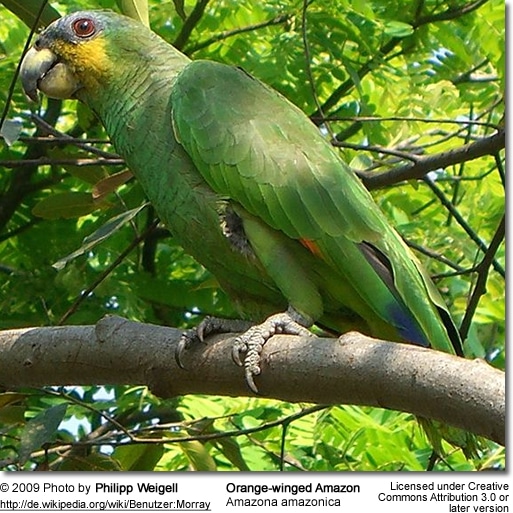
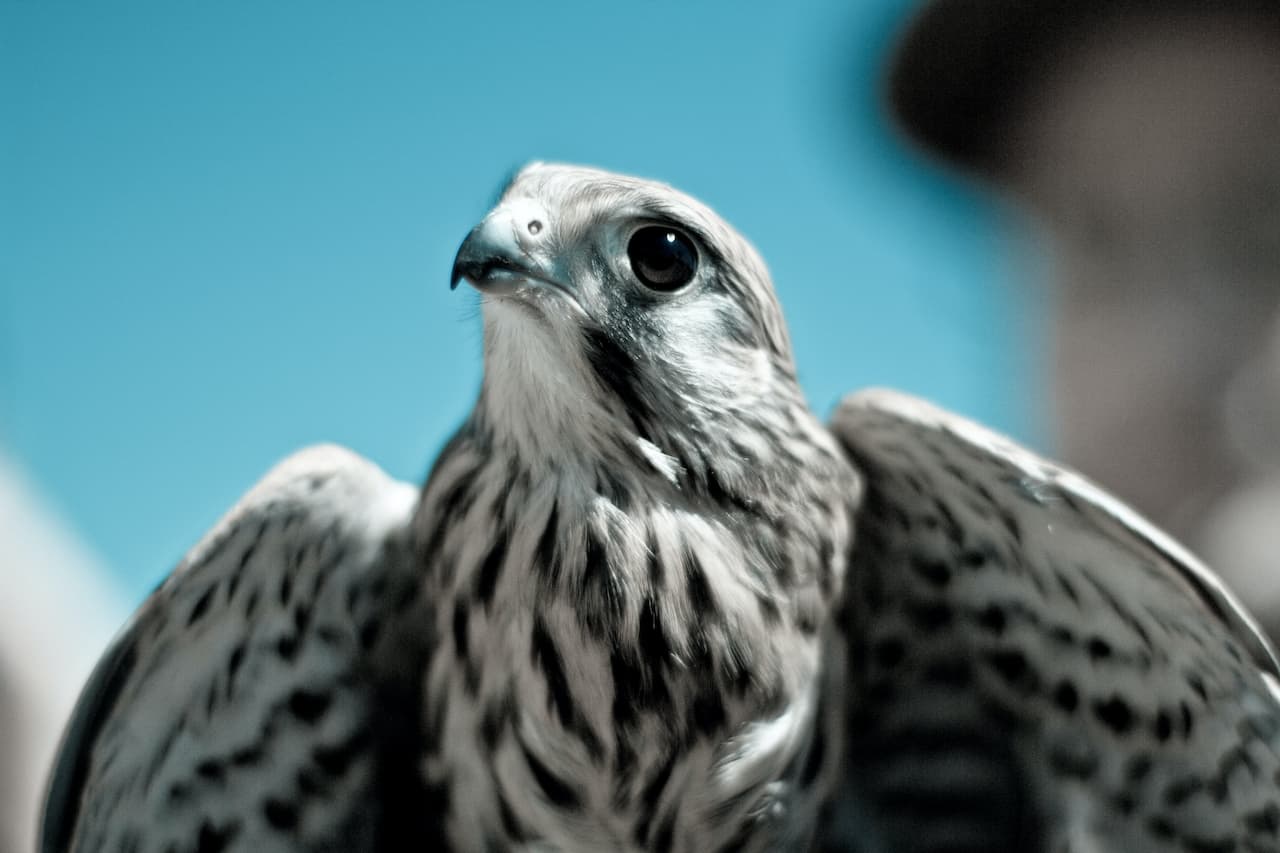
The Yellow-throated Leafbird is medium-sized for a leafbird, measuring approximately 18 to 20 centimeters in length, with a wingspan around 25 centimeters. Adults typically weigh between 30 to 40 grams. Their plumage is predominantly a brilliant, vibrant green that provides excellent camouflage among the leaves of their forest environment. The most striking feature is the bright yellow patch on their throat, which contrasts vividly with the green body. The male and female are similar in appearance, though males often exhibit slightly brighter coloration. Leafbirds have slender, slightly curved bills that measure about 2.5 centimeters in length, perfectly adapted for their insectivorous and frugivorous diet. Their eyes are dark and expressive, surrounded by subtle facial markings that vary slightly between individuals.
One fascinating physiological trait of this species is its ability to shed brightly colored feathers when stressed. This molting under duress may serve as a defensive mechanism against predators such as snakes, confusing them and increasing the bird’s chances of escape. This adaptation is relatively rare and demonstrates the complex evolutionary pressures faced by leafbirds in their dense forest habitats.
Behavior & Diet
The Yellow-throated Leafbird is primarily arboreal, spending most of its time in the mid to upper canopy of tropical forests. It is an active forager, often seen moving swiftly among branches and foliage in search of food. Leafbirds typically forage alone or in pairs, though they may occasionally join mixed-species feeding flocks, especially outside the breeding season. Their diet is diverse and includes a wide range of insects, fruits, berries, and nectar.
Insects form a major part of their diet, and their specialized bills and brush-tipped tongues are perfectly adapted to gleaning small arthropods from leaves, bark, and flowers. They are adept at flushing out prey and catching insects in mid-air or gleaning them off the forest floor. Leafbirds also consume various fruits, often swallowing small berries whole or piercing larger fruits to extract juices. This feeding behavior aids in seed dispersal, contributing significantly to forest regeneration.
Additionally, the Yellow-throated Leafbird is a notable pollinator. Its spiked tongue allows it to extract nectar from tubular flowers, such as those of the native Philippine genus Rhabdornis. While feeding, pollen adheres to their heads and is transferred between flowers, facilitating cross-pollination. This mutualistic relationship is vital for the reproduction of many tropical plants and highlights the leafbird’s ecological importance beyond mere insect control and seed dispersal.
Vocalizations of the Yellow-throated Leafbird are melodious and varied, consisting of whistles, chatters, and warbles. These calls serve both territorial functions and communication between mates or family members. Their songs are often described as musical and fluid, contributing to the rich soundscape of the tropical forests of Palawan.
Breeding & Reproduction
Breeding behavior of the Yellow-throated Leafbird is typical of many tropical passerines but features some interesting adaptations. The species constructs open cup-shaped nests primarily from fine plant stems, leaf fragments, and rootlets. These nests are carefully placed on the outer branches of trees, usually near the crown, providing concealment from predators and easy access for the incubating female and feeding male. According to eBird, this species is well documented.
The clutch size generally ranges from two to three eggs, which are pale pinkish with subtle speckles. The female incubates the eggs alone for approximately 14 days, during which the male plays a crucial role by feeding her. While direct observations of post-hatching care are limited, it is believed that the male also assists in feeding and protecting the nestlings. After hatching, the chicks remain in the nest for several weeks, growing rapidly on a diet of insects and soft fruits provisioned by their parents. According to Audubon Society, this species is well documented.
Breeding seasons correspond with the onset of the rainy season when food availability is highest, ensuring optimal conditions for raising young. The reliance on forest canopy and subcanopy habitats for nesting underscores the importance of preserving mature forests for the species’ reproductive success.
Conservation Status
The Yellow-throated Leafbird is currently classified as Least Concern by the International Union for Conservation of Nature (IUCN). Although it is an island endemic with a relatively restricted range, it does not presently face immediate threats of extinction. This status, however, should not lead to complacency. The primary threat to the species is habitat loss due to deforestation, logging, and land conversion for agriculture and development on Palawan.
Conservation efforts on Palawan, including the establishment of protected areas and sustainable forest management practices, are essential to maintaining healthy populations of the Yellow-throated Leafbird. Because the species depends heavily on intact lowland forest ecosystems, ongoing habitat degradation could lead to population declines. Monitoring programs and ecological studies are encouraged to better understand the species’ population dynamics and habitat requirements, ensuring effective conservation planning.
Interesting Facts
One of the most captivating aspects of the Yellow-throated Leafbird is its ability to change plumage coloration under stress. This rare phenomenon, where the bird sheds some of its colorful feathers, has intrigued ornithologists and highlights the complex survival strategies employed by tropical species. Additionally, its role as a pollinator in its habitat emphasizes the intricate web of ecological interactions in tropical forests.
Leafbirds, including the Yellow-throated Leafbird, are often mistaken for parrots due to their bright green coloration and vocal abilities, but they belong to a distinct family. Their brush-tipped tongues and curved bills are unique adaptations that allow them to exploit a varied diet, unlike many other canopy birds. This versatility helps them thrive in their niche and supports the health of forest ecosystems by controlling insect populations, dispersing seeds, and pollinating flowers.
For birdwatchers and photographers, the Yellow-throated Leafbird represents an exciting challenge. Its elusive nature and preference for the upper canopy mean sightings can be rare and fleeting. However, its distinctive calls and vibrant colors make it a rewarding species to observe and document, contributing to the rich tapestry of Palawan’s avian diversity.
In summary, the Yellow-throated Leafbird is more than just a beautiful bird; it is an integral part of the tropical forest ecosystem of Palawan. Its behaviors, adaptations, and ecological roles provide valuable insights into the complexity and interdependence of island biodiversity.
Conclusion
The Yellow-throated Leafbird (Chloropsis palawanensis) stands as a vibrant symbol of Palawan’s unique natural heritage. With its striking green and yellow plumage, specialized feeding adaptations, and important role in pollination and seed dispersal, this bird exemplifies the intricate relationships within tropical forest ecosystems. While currently classified as Least Concern, the species’ dependence on healthy forest habitats makes it vulnerable to deforestation and habitat degradation. Conservation of Palawan’s forests is crucial to safeguarding the future of this captivating leafbird and the myriad other species that share its home. For nature lovers, birdwatchers, and researchers, the Yellow-throated Leafbird offers a glimpse into the wonder of island biodiversity and the delicate balance sustaining it.