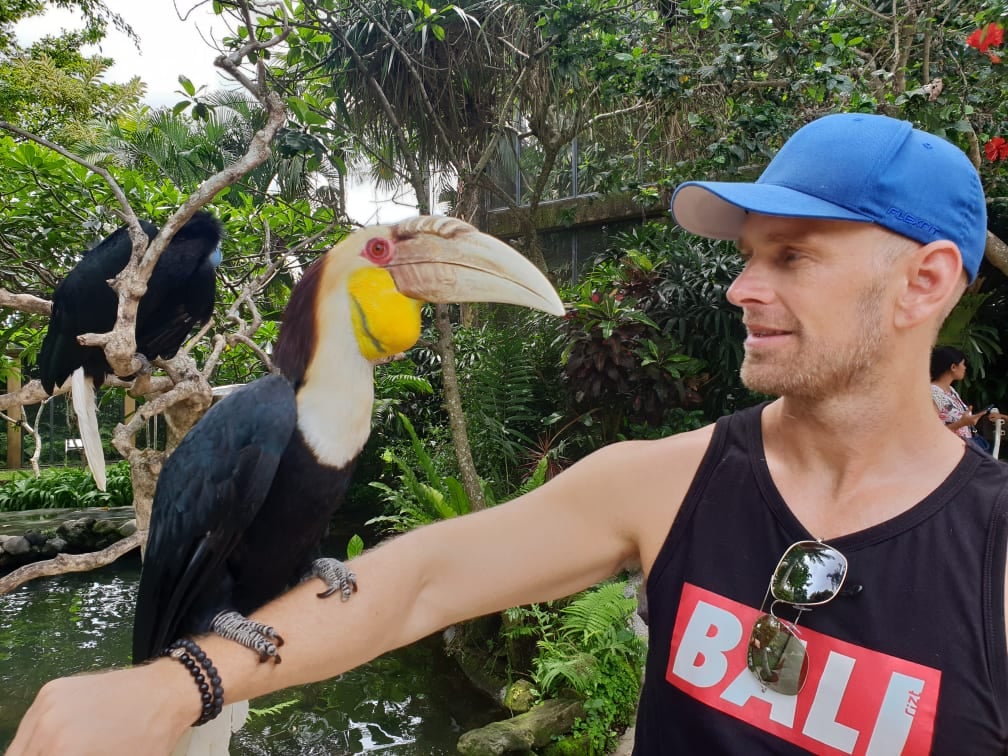
Pheasants are a diverse group of birds known for their vibrant plumage and adaptability across various habitats. While generally hardy, pheasants can be susceptible to a range of diseases, especially when kept in captive or densely populated conditions. Understanding these diseases, their causes, symptoms, and prevention methods is crucial for anyone involved in pheasant care, whether for conservation, hunting, or aviculture. This article explores the health challenges pheasants face, providing a comprehensive overview of common diseases, their impact on pheasant populations, and practical advice for managing their wellbeing.
Scientific Classification
Pheasants belong to the family Phasianidae, which includes other ground-dwelling birds such as partridges, quails, and junglefowl. The term “pheasant” broadly describes several species within the subfamily Phasianinae. One of the most well-known species is the Common Pheasant, Phasianus colchicus, native to Asia but introduced widely across Europe and North America. Pheasants are classified under the order Galliformes, characterized by heavy-bodied ground birds with strong legs adapted for scratching and running rather than flying long distances. This taxonomy helps in understanding the biological traits and potential health issues shared among related species.
Geographic Range & Distribution
Pheasants have a broad geographic range, primarily across Asia, extending from the temperate forests of Siberia to the tropical regions of Southeast Asia. The Common Pheasant, for example, has been introduced throughout Europe, North America, and New Zealand, often for hunting purposes. Other species like the Golden Pheasant (Chrysolophus pictus) inhabit forested areas in southwestern China. These birds adapt well to a variety of habitats, including grasslands, woodlands, agricultural fields, and even suburban parks. However, their wide distribution and varied habitats expose them to different environmental stressors and pathogens, influencing disease prevalence within populations.


Physical Description
Pheasants vary greatly in size and appearance depending on the species. The Common Pheasant typically measures between 60 and 89 centimeters in length, with males often sporting long, elaborate tails that can extend over 30 centimeters. Their weight ranges from 0.5 to 1.2 kilograms. Males are usually more colorful, displaying iridescent feathers in shades of green, gold, red, and brown, while females tend to be mottled brown for camouflage. Such sexual dimorphism is common across pheasant species. Physically, pheasants possess strong legs with sharp claws, adapted for foraging and defense, but these can also be sites of health issues such as infections or deformities.
Behavior & Diet
Pheasants are primarily ground feeders, relying on their sharp eyesight to detect predators while foraging. Their diet consists mainly of seeds, grains, berries, insects, and small invertebrates, which provides them with essential nutrients. For example, the Common Pheasant consumes a significant amount of agricultural grains like corn and wheat in winter, while switching to insects and green shoots during breeding seasons. This omnivorous diet helps maintain their health but can also expose them to parasites and diseases through contaminated food or water sources. Socially, pheasants can be solitary or form small groups, especially during non-breeding seasons. Their behavior of dust-bathing and scratching the ground plays a role in parasite control but also indicates areas where disease transmission can occur.
Breeding & Reproduction
The breeding season of pheasants varies by species and location but generally occurs in spring and early summer. Males establish territories and perform elaborate courtship displays involving loud calls, feather fluffing, and strutting to attract females. After mating, females lay between 6 to 15 eggs in concealed nests on the ground. Incubation lasts about 23 to 28 days, depending on the species. Hatchlings are precocial, leaving the nest shortly after hatching and feeding themselves under the mother’s watchful eye. However, young pheasants are particularly vulnerable to diseases such as navel ill and crooked toes, conditions often linked to poor hygiene or nutritional deficiencies. These early-life health challenges can impact survival rates significantly.
Conservation Status
Most pheasant species are not currently under severe threat, with many classified by the International Union for Conservation of Nature (IUCN) as Least Concern. The Common Pheasant, for instance, is widespread and abundant due to successful introductions and adaptability. However, some species like the Cheer Pheasant (Catreus wallichii) and Edwards’s Pheasant (Lophura edwardsi) face habitat loss and population declines, making disease management important for conservation efforts. Diseases can have a pronounced impact in fragmented or small populations, where outbreaks of avian influenza, Newcastle disease, or parasitic infections can lead to rapid declines. Conservation programs often include health monitoring and biosecurity measures to prevent disease outbreaks, ensuring the long-term viability of vulnerable pheasant species.
Interesting Facts
Pheasants have fascinated humans for centuries, not only for their striking appearance but also for their resilience and adaptability. They are among the oldest birds to be domesticated, with evidence dating back over 4,000 years. Remarkably, pheasants can tolerate a range of environmental conditions but remain susceptible to several poultry diseases that can affect both wild and captive populations. Their natural behavior of dust-bathing helps control external parasites like lice and mites, reducing the need for chemical treatments in well-managed populations. Additionally, pheasants have been used as bioindicators for ecosystem health because their sensitivity to environmental changes often reflects broader ecological shifts. According to eBird, this species is well documented.
Common Diseases Affecting Pheasants
Despite their hardiness, pheasants are vulnerable to various diseases, particularly in captivity or dense populations. One of the most prevalent is coccidiosis, caused by protozoan parasites of the genus Eimeria. This disease primarily affects the intestinal tract, leading to bloody droppings, lethargy, and high mortality rates if untreated. Young birds are especially at risk. Treatment typically involves sulfa-based medications, but prevention through good sanitation and management is critical. Another significant concern is botulism, a paralytic illness caused by toxins produced by the bacterium Clostridium botulinum. It often occurs in wet, stagnant environments where decaying organic matter accumulates, affecting pheasants through contaminated food or water. According to BirdLife International, this species is well documented.
Newcastle disease, a highly contagious viral infection, poses a serious threat to pheasant populations. It causes respiratory distress, neurological symptoms, and often death. Vaccination programs in captive breeding facilities help control outbreaks. Similarly, fowl cholera, caused by Pasteurella multocida, can cause sudden death and chronic infections, particularly in stressful conditions. Avian tuberculosis, a chronic bacterial disease, leads to weight loss and lethargy, often detected during necropsy due to characteristic granulomas in organs.
Parasites also present ongoing challenges. Internal worms such as roundworms and tapeworms can cause malnutrition and weakness, necessitating regular deworming protocols. External parasites like lice, mites, and ticks can lead to feather damage, anemia, and secondary infections. Effective parasite control involves environmental management, dust-bathing areas, and occasional use of insecticidal powders or systemic treatments.
Foot problems are another common health issue in pheasants. Bumblefoot, a bacterial infection of the footpad, occurs when birds develop cuts or abrasions that become infected. It can cause swelling, lameness, and in severe cases, death. Scaly leg mite infestation results in crusty, thickened scales on the legs and feet, leading to discomfort and mobility issues. Hereditary deformities such as crooked toes appear in young birds and may result from nutritional imbalances or poor incubation conditions. Early diagnosis and treatment improve outcomes significantly.
Management and Prevention
Maintaining healthy pheasant populations requires proactive management focusing on nutrition, sanitation, and stress reduction. Proper vitamin and mineral supplementation strengthens immune responses, making birds less vulnerable to infections. Clean, dry housing and regular removal of waste reduce parasite loads and bacterial growth. Providing dust-bathing areas is essential for natural parasite control. When medication is necessary, hiding it in favorite foods can minimize stress and encourage compliance. Regular health monitoring and veterinary consultations ensure timely diagnosis and treatment of diseases, increasing survival rates and overall wellbeing.
Conclusion
Pheasants are resilient birds with remarkable adaptability, but they remain susceptible to a variety of diseases that can impact both wild and captive populations. Understanding the causes, symptoms, and prevention strategies for common ailments such as coccidiosis, botulism, and parasitic infections is vital for anyone involved in pheasant care or conservation. By combining good husbandry practices, environmental management, and veterinary guidance, it is possible to maintain healthy pheasant populations that continue to thrive in diverse habitats worldwide. Protecting these vibrant birds not only preserves biodiversity but also supports the ecological balance of the environments they inhabit.