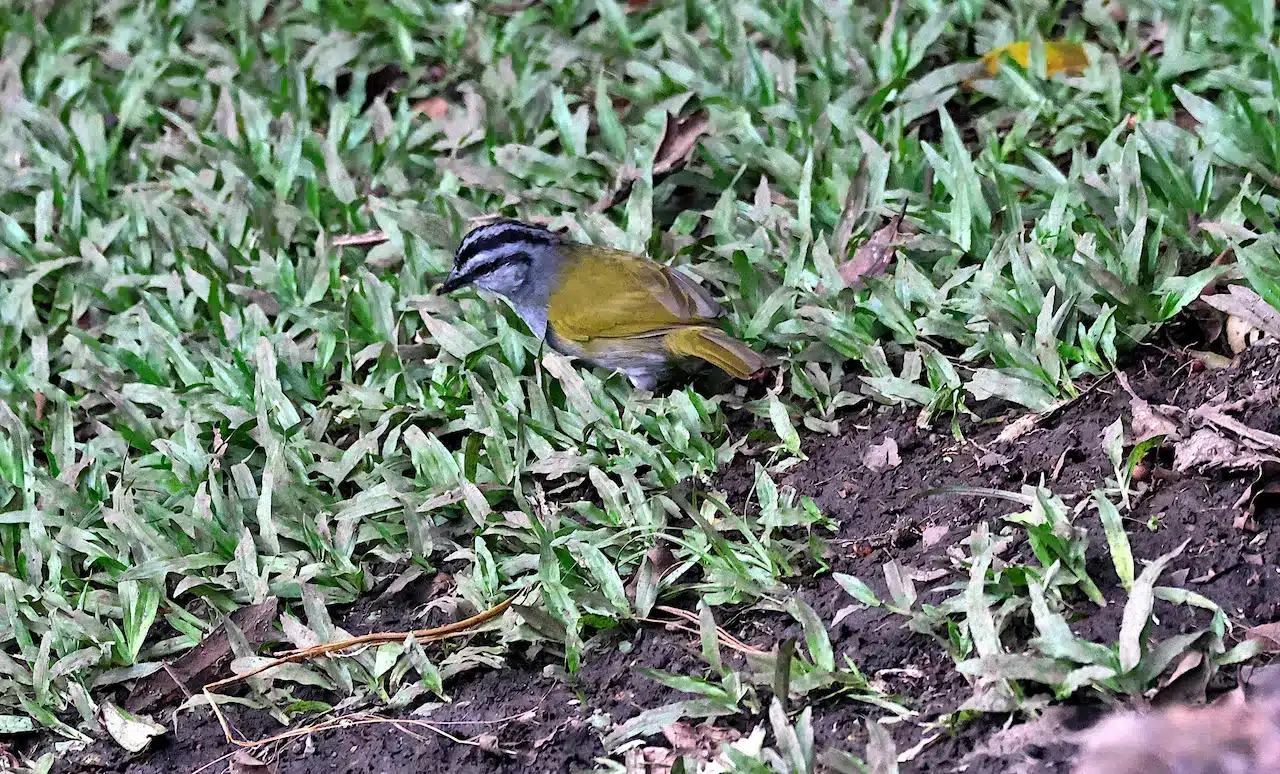
The Paradise Tanager (Tangara chilensis) is a vibrant and striking bird species native to the lush rainforests of South America. Renowned for its kaleidoscopic plumage that seems to embody the very essence of tropical splendor, this medium-sized tanager captivates birdwatchers and nature lovers alike. Its dazzling colors, dynamic behavior, and role in the ecosystem make it a fascinating subject for both casual observers and ornithologists. Found predominantly in the Amazon Basin, the Paradise Tanager thrives in humid tropical environments where the dense foliage offers ample food and shelter. This article delves deeply into the scientific classification, habitat, physical traits, behaviors, breeding habits, conservation status, and intriguing facts about this remarkable bird.
Scientific Classification
The Paradise Tanager belongs to the family Thraupidae, which encompasses a diverse group of small to medium-sized passerine birds commonly known as tanagers. The scientific name of the Paradise Tanager is Tangara chilensis, a somewhat misleading specific epithet as the species is not found in Chile but rather in northern South America. The genus Tangara is one of the most species-rich genera in the Neotropics, containing over 50 species distinguished by their vivid plumage and diverse ecological niches.
Within the taxonomic hierarchy, the Paradise Tanager is classified under the order Passeriformes, commonly referred to as perching birds or songbirds. These birds are characterized by their three toes pointing forward and one backward, facilitating perching. The family Thraupidae is notable for its adaptive radiation in the tropical Americas, with many species exhibiting brilliant coloration and specialized diets. The Paradise Tanager’s classification highlights its evolutionary relationships with other colorful tanagers, emphasizing its ecological role as a frugivore and insectivore within the Amazon rainforest ecosystem.






Geographic Range & Distribution
The Paradise Tanager is primarily distributed across the northern regions of the Amazon Basin, inhabiting countries such as Colombia, Venezuela, Ecuador, Peru, Bolivia, and Brazil. Its range extends across the upper Amazon and adjacent foothills of the Andes, thriving in lowland tropical rainforests and occasionally in secondary growth forests. This species is generally found at elevations from sea level up to around 1,200 meters, favoring humid, dense forest canopies where food sources are abundant.
Within its range, the Paradise Tanager is relatively common and widespread, often encountered in protected areas and national parks that conserve Amazonian biodiversity. Its preference for the canopy layer means it is more frequently observed in the mid to upper levels of the forest rather than on the ground. Though it is not typically migratory, some local movements may occur in response to seasonal changes in food availability. The bird’s adaptability to various forested habitats, including edge environments, contributes to its broad distribution and stable population trends.
Physical Description
The Paradise Tanager is a medium-sized bird, measuring approximately 13.5 to 15 centimeters (5.3 to 5.9 inches) in length and weighing roughly 24 to 28 grams (0.85 to 0.99 ounces). It exhibits one of the most dazzling plumage patterns among tanagers, making it a favorite subject for photographers and bird enthusiasts. The bird’s head and upper back are a vivid light green, which contrasts sharply with the striking sky-blue belly and breast. Its wings and back are predominantly black, accented with subtle variations of turquoise and yellow, creating a mosaic of colors that appear almost iridescent in sunlight.
The bird’s beak is short and stout, colored black, perfectly adapted for manipulating a variety of fruits and insects. Its legs and feet are also black, designed for agile perching on branches. Sexual dimorphism is minimal in this species, with males and females displaying similar vibrant color patterns, though males may appear slightly more vivid. Juvenile Paradise Tanagers tend to have duller plumage, with greens and blues less intense, gradually acquiring adult coloration as they mature. Overall, the Paradise Tanager’s physical traits not only contribute to its beauty but also serve important ecological functions, such as camouflage among the multicolored forest canopy.
Behavior & Diet
The Paradise Tanager is an active and social bird, often seen moving in small groups or mixed-species flocks within the forest canopy. This gregarious behavior enhances foraging efficiency and provides protection from predators. Its flight is characterized by rapid, direct movements with quick wingbeats, interspersed with brief glides between perches. The bird’s vocalizations are melodious and varied, consisting of soft whistles and chirps used for communication within groups and during mating displays.
Dietarily, the Paradise Tanager is primarily frugivorous, feeding on a wide array of fruits and berries found in the rainforest canopy. Its diet includes small fruits from families such as Melastomataceae and Moraceae, which provide essential nutrients and energy. In addition to fruit, the Paradise Tanager supplements its diet with insects and other arthropods, gleaning them from leaves and bark. This omnivorous diet allows the bird to adapt to seasonal fluctuations in fruit availability, maintaining its energy needs year-round. By consuming and dispersing seeds through their droppings, Paradise Tanagers play a critical role in forest regeneration and ecosystem health.
Breeding & Reproduction
Breeding behavior in the Paradise Tanager is typical of many tanagers, involving intricate courtship displays and vocalizations. The breeding season generally coincides with the onset of the rainy season when food resources are most plentiful, although exact timing can vary across its range. Males may perform aerial displays and sing to attract females, showcasing their vibrant plumage as a sign of fitness and health. According to IUCN Red List, this species is well documented.
Once paired, the female constructs a cup-shaped nest primarily from twigs, moss, and leaves, often placed on horizontal branches within the mid to upper canopy. The nest is well-camouflaged to protect against predators such as snakes and arboreal mammals. Clutch size typically consists of two to three eggs, which are pale blue or greenish with brown speckles. The female incubates the eggs for approximately 13 to 15 days, during which the male may help by providing food. According to iNaturalist, this species is well documented.
After hatching, both parents participate in feeding the chicks, offering a diet rich in insects and soft fruits to support rapid growth. The nestlings fledge approximately 15 to 18 days after hatching, gradually gaining independence. Juveniles remain near the parents for some time, learning vital survival skills such as foraging and predator avoidance. This reproductive strategy ensures a high survival rate for offspring in the competitive environment of the tropical rainforest.
Conservation Status
The Paradise Tanager is currently classified as Least Concern on the International Union for Conservation of Nature (IUCN) Red List. This status reflects its wide distribution, stable population trends, and adaptability to various forest habitats. Despite facing ongoing threats from habitat destruction due to logging, agriculture, and infrastructure development in the Amazon Basin, the species has shown resilience, particularly in protected areas.
Conservation efforts aimed at preserving Amazonian rainforests indirectly benefit the Paradise Tanager by maintaining the complex ecosystems they depend on. However, continued deforestation poses a long-term risk by fragmenting habitats and reducing available food resources. Monitoring population trends and habitat integrity remains essential to ensure this species does not move toward a more threatened status. Furthermore, environmental education and ecotourism initiatives help raise awareness about the importance of preserving the Paradise Tanager and its habitat.
Interesting Facts
One of the most remarkable features of the Paradise Tanager is its extraordinary coloration, which has inspired its common name. The combination of bright green, electric blue, yellow, and black feathers creates a “paradise” of colors that makes it one of the most photographed birds in the Amazon. Interestingly, the bird’s plumage appears to shimmer in the dappled light of the forest canopy, a result of microstructures in the feathers that reflect light in unique ways.
Another fascinating aspect is the bird’s role in seed dispersal. By consuming various fruits and excreting the seeds far from the parent plants, Paradise Tanagers contribute significantly to the regeneration of tropical forests. This ecological service supports biodiversity and forest resilience, highlighting the interconnectedness of species within the Amazonian ecosystem.
Additionally, while the Paradise Tanager is largely non-migratory, it occasionally participates in mixed-species flocks, associating with other tanagers, woodcreepers, and flycatchers. These flocks enhance foraging success and reduce predation risk through collective vigilance. The species’ adaptability, social behavior, and striking appearance continue to make it a subject of interest for scientific study and ecotourism alike.
In summary, the Paradise Tanager (Tangara chilensis) is more than just a colorful bird of the Amazon—it is an integral part of the rainforest’s complex web of life. Its vivid plumage, fascinating behaviors, ecological role, and resilience make it a symbol of the richness and wonder of tropical biodiversity.