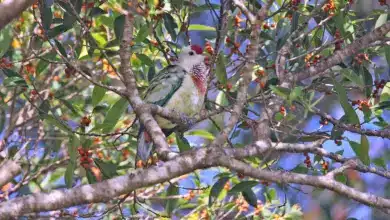
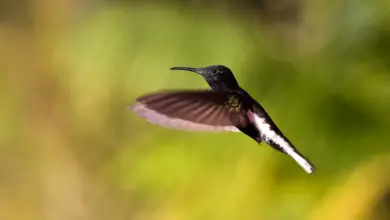
The vibrant and diverse family of birds known as tanagers captivates birdwatchers and nature enthusiasts around the world with their dazzling colors and intriguing behaviors. Found primarily in the Americas, tanagers encompass a wide range of species, many of which boast brilliant red plumage or striking red markings that make them stand out in their forested habitats. This photo gallery showcases some of the most remarkable tanagers, highlighting their variety and beauty. To deepen your understanding, this article explores their taxonomy, geographic range, physical features, behaviors, breeding habits, conservation status, and fascinating facts that underline their ecological importance.
Scientific Classification
The term tanager commonly refers to members of the family Thraupidae, a large and diverse group of small to medium-sized passerine birds. Tanagers belong to the order Passeriformes, which includes more than half of all bird species worldwide. The family Thraupidae is notably rich, with over 370 species recognized, primarily residing in Central and South America. Historically, the classification of tanagers was more loosely defined, and some species now placed in other families were once considered tanagers. Recent advances in molecular phylogenetics have helped clarify these relationships, leading to a more precise understanding of their evolutionary lineage. Within Thraupidae, genera such as Dacnis and various mountain tanagers represent important clades, each with characteristic traits adapted to their specific environments.
Tanagers are often confused with other colorful birds like cardinals and buntings; however, their distinct genetic makeup and diverse morphological features set them apart. The family name derives from the Taino Indian word “tangara,” meaning dancer, a nod to their lively movements and bright appearance. Notably, some tanagers exhibit sexual dimorphism, where males and females differ in coloration and size, a factor that has intrigued ornithologists studying their mating systems and evolutionary pressures.






Geographic Range & Distribution
Tanagers are predominantly Neotropical birds, with their range extending from southern Mexico through Central America and across much of South America. Their distribution is especially dense in tropical and subtropical forests, including rainforests, cloud forests, and montane woodlands. Some species have adapted to more open habitats such as savannas and scrublands, but the family is largely associated with wooded ecosystems.
Within Central America, genera like Dacnis are commonly found, inhabiting lowland and foothill forests from southern Mexico through Panama. South America hosts a remarkable diversity of tanagers, particularly in the Andes, where mountain tanagers thrive at elevations between 1,500 to 4,000 meters. These mountainous species have adapted to cooler, high-altitude environments, and their ranges often span countries such as Colombia, Ecuador, Peru, and Bolivia.
Some tanager species have broader ranges, while others are highly localized endemics. For instance, the Scarlet Tanager (Piranga olivacea) breeds in eastern North America and migrates to South America during the non-breeding season. Conversely, species like the Golden-naped Tanager (Chlorochrysa aurea) are restricted to specific Andean regions. This wide geographic distribution reflects the ecological versatility of tanagers, which can exploit a variety of forest types and altitudinal zones across the Americas.
Physical Description
Tanagers are celebrated for their spectacular plumage, which ranges from brilliant reds and oranges to blues, greens, and yellows. Size varies among species, but most tanagers measure between 11 and 20 centimeters in length, with a wingspan typically around 16 to 25 centimeters. They generally weigh between 15 and 50 grams, depending on the species and sex. The vivid colors of many tanagers, especially those with red markings, serve various functions from camouflage in the dappled forest light to social signaling during courtship.
Male tanagers often display the most vibrant colors, while females tend to have more subdued tones, aiding in nest concealment. For example, the Red-crowned Ant Tanager (Habia rubica) exhibits deep red plumage on the head and chest of males, contrasting with olive or brownish females. The genus Dacnis includes species like the Blue Dacnis (Dacnis cayana), notable for its striking turquoise-blue coloration combined with black markings.
In mountain tanagers, plumage varies widely but often includes combinations of blues, greens, and yellows, with some species showing red on the head or rump, such as the Flame-faced Tanager (Tangara parzudakii). The shape of tanager bills varies from slender and pointed, adapted for insect gleaning, to stronger, more conical forms suited for seed and fruit consumption. Overall, their physical traits are well suited to their diverse diets and habitats.
Behavior & Diet
Tanagers are primarily diurnal and exhibit a range of social behaviors. Many species are active foragers, moving through the forest canopy or understory in search of food. They often join mixed-species feeding flocks, which provide safety in numbers and increased foraging efficiency. Their movement is typically agile and quick, reflecting their need to capture insects or pluck fruits from foliage.
Their diet is omnivorous, with a strong emphasis on fruit, insects, and nectar. Insects such as beetles, caterpillars, and ants form a crucial protein source, especially during the breeding season when energy demands are high. Fruit constitutes a significant part of the diet throughout the year, with tanagers playing an essential role in seed dispersal for many tropical plants. Some species also consume nectar, supplementing their diet and aiding in pollination.
Tanagers employ various feeding strategies, including gleaning insects from leaves, aerial hawking for flying insects, and probing flowers for nectar. The morphology of their bills reflects these adaptations; for example, the slender bills of the Dacnis species facilitate nectar feeding, while broader bills in other genera allow for handling of larger fruits and seeds. Their foraging behavior is not only vital for their survival but also contributes to the health and regeneration of their forest ecosystems. According to Cornell Lab of Ornithology, this species is well documented.
Breeding & Reproduction
Tanagers typically breed during the warmer, wetter months when food availability peaks. Nesting habits vary widely across species but generally involve the construction of cup-shaped nests made from plant fibers, moss, and spider silk, often placed in tree forks or shrubs. Both parents usually participate in nest building, incubation, and feeding of the young, although the extent of parental care can differ. According to eBird, this species is well documented.
Clutch sizes range from two to four eggs, which are usually pale with speckled markings. Incubation periods last approximately 12 to 14 days, with nestlings fledging after another two to three weeks. Sexual dimorphism in plumage is most apparent during this period, as males often maintain bright colors to attract females and deter rivals.
Some tanager species exhibit fascinating mating behaviors, including elaborate courtship displays and vocalizations. Males may perform flight displays or sing complex songs to establish territories and attract mates. In certain species, cooperative breeding or helpers at the nest have been observed, although these behaviors are not widespread among tanagers. The reproductive success of tanagers is closely linked to habitat quality, food availability, and predation pressures.
Conservation Status
The conservation status of tanagers varies significantly among species. Many tanagers are currently classified as Least Concern by the International Union for Conservation of Nature (IUCN), benefiting from their wide distributions and adaptability. However, habitat loss due to deforestation, agriculture, and urban development poses substantial threats to several species, especially those with restricted ranges such as some mountain tanagers endemic to the Andes.
For example, the critically endangered Blue-throated Macaw (Ara glaucogularis), sometimes colloquially referred to as a tanager relative due to its similar habitat, highlights the vulnerability of Neotropical birds to habitat fragmentation. While not a true tanager, this illustrates the broader risks faced by tropical birds. Among true tanagers, species like the Black-hooded Tanager (Stilpnia cyanoptera) are Near Threatened due to habitat degradation.
Conservation efforts focus on protecting critical habitats, establishing reserves, and promoting sustainable land use. Additionally, increased awareness and birdwatching tourism provide economic incentives for habitat preservation. Continued research and monitoring are essential to track population trends and understand the impacts of climate change, which may alter the distribution and food availability for tanagers in the future.
Interesting Facts
Tanagers boast some remarkable traits that fascinate both scientists and bird lovers alike. Their brilliant coloration is not only for attraction but also results from unique pigment combinations, including carotenoids and structural colors that create iridescence. Some species can even subtly change their plumage brightness with the seasons or age.
Among tanagers, the genus Dacnis is particularly notable for its sexual dichromatism, where males are brightly colored in blue and black, while females are more subdued green and yellow, likely an adaptation for camouflage during nesting. Mountain tanagers, on the other hand, often display complex vocalizations used in both territory defense and mate attraction, contributing to the rich acoustic landscape of Andean forests.
Moreover, tanagers play an essential ecological role as seed dispersers and pollinators, helping maintain the biodiversity and health of tropical forests. Their presence often indicates a well-functioning ecosystem, making them valuable bioindicators for conservationists. For wildlife photographers, tanagers present a rewarding challenge due to their vibrant colors and active behaviors, making them a favorite subject in Neotropical bird photography.
Overall, tanagers are a vivid reminder of the natural beauty and complexity of tropical ecosystems, embodying the intricate relationships between species and their environments.
In conclusion, the diverse family of tanagers offers an extraordinary glimpse into the richness of American birdlife. From their striking red markings and colorful plumage to their varied behaviors and ecological roles, tanagers captivate observers and contribute significantly to the health of their native habitats. Whether exploring tropical lowlands or mountainous forests, encountering these birds enriches our appreciation of nature’s vibrant palette and the delicate balance of life in the Americas.