
Overview and Introduction
The question of whether birds possess a sense of smell has long intrigued ornithologists and nature enthusiasts alike. For many years, the prevailing belief was that birds relied primarily on sight and hearing, with little to no olfactory capacity. However, recent scientific research has dramatically reshaped our understanding, revealing that many bird species do, in fact, have a functional sense of smell, which they use for a variety of ecological tasks. This expanded knowledge has changed how we view avian behavior, navigation, and survival strategies. In this article, we explore the anatomy of the bird nose, the sense of smell across different species, and the fascinating roles olfaction plays in their daily lives.
Physical Characteristics of the Bird Nose
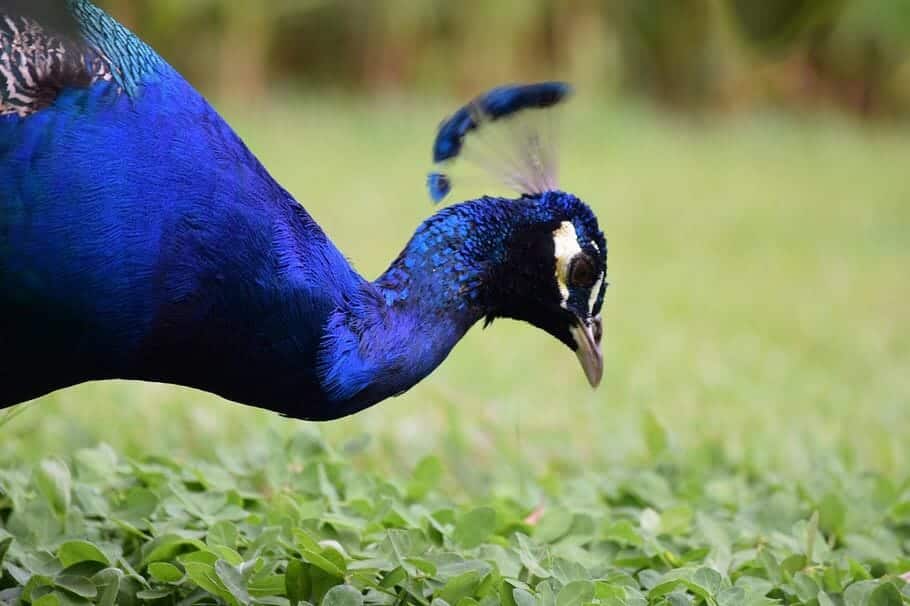
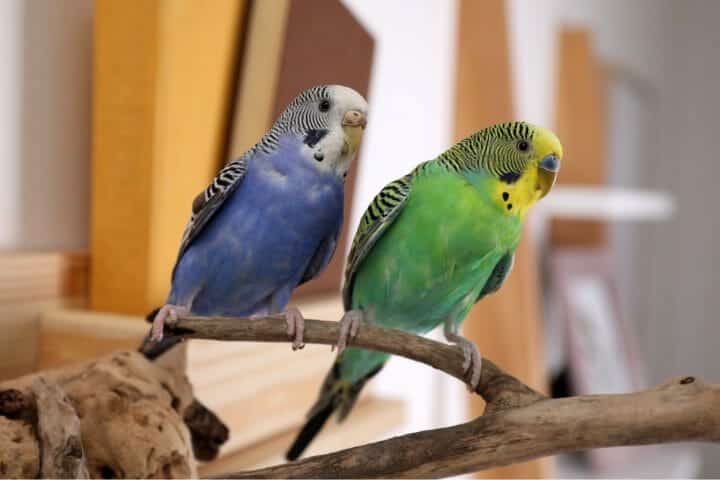
Birds possess nostrils, also known as nares, that are usually positioned on the upper mandible of their bills. These external openings allow air to enter the respiratory system and lead into complex internal nasal cavities. The size, shape, and location of these nostrils vary widely among bird species, reflecting adaptations to their environments and lifestyles.
Structure and Function of Nostrils
Most birds have two external nostrils located at the base of their bills. These nares serve as the entry point for air, which then passes through a series of three internal nasal cavities. These cavities function to filter dust and particles, regulate humidity, and warm or cool the air before it reaches the delicate lung tissues, thereby protecting the respiratory system.




In some species, the nostrils are highly specialized. For example, birds in the order Procellariiformes—such as shearwaters, albatrosses, and petrels—have tubular nostrils that protrude from their bills. These “tubenoses” are thought to enhance their ability to detect odors over great distances, particularly the scent of fish oils or other marine substances on the ocean surface.
Another unique adaptation can be seen in kiwis, flightless birds endemic to New Zealand. Their nostrils are located at the very tip of the bill rather than the base, a rare feature among birds. This anatomical placement is advantageous for probing soil and leaf litter to detect prey by scent. Conversely, gannets have closed external nasal openings and instead breathe through internal openings on the upper mandible, an adaptation that likely helps prevent water from entering their respiratory system during diving.
The Avian Olfactory Bulbs
Beyond the nose itself, the size and complexity of the olfactory bulbs in the brain are critical indicators of a bird’s sense of smell. The olfactory bulbs process scent information, and their relative size varies widely among bird species. Birds like vultures and kiwis have well-developed olfactory lobes, which correlate with their strong reliance on smell. By contrast, many songbirds have comparatively small olfactory bulbs, suggesting a less significant role for smell in their behavior.
Behavior and Use of the Sense of Smell
While it was once assumed that birds had a minimal sense of smell, a growing body of research demonstrates that many species actively use olfaction for various behaviors, including foraging, navigation, and communication.
Foraging and Food Location
Certain seabirds, particularly the tubenoses, are known to detect the scent of fish oils and other organic compounds released by schools of fish or their prey. This ability allows them to locate feeding opportunities over vast expanses of open ocean, where visual cues may be scarce. For instance, albatrosses can detect dimethyl sulfide (DMS), a compound produced by phytoplankton when grazed upon by zooplankton, which indirectly indicates the presence of fish.
Vultures, both Old World and New World species, provide another compelling example of olfactory use. These scavengers can locate carcasses by scent from great distances, enabling them to efficiently find food in environments where visual detection might be challenging due to dense vegetation or rugged terrain.
Kiwis, as mentioned earlier, rely heavily on their sense of smell to locate invertebrates such as earthworms and insects in the leaf litter of New Zealand’s forests. Their nostrils at the bill tip enhance this capacity, allowing them to hunt effectively at night when their poor eyesight is less useful.
Navigation and Migration
Some migratory birds also appear to use olfactory cues for navigation. Studies suggest that species like pigeons and petrels can detect and remember specific odors in the environment, which helps them orient during long-distance flights. This olfactory map complements visual landmarks and the Earth’s magnetic field in guiding their journeys.
Communication and Social Behavior
Recent research has highlighted that certain species use scent signals in social interactions, mate choice, and territory marking. For example, some seabirds produce unique odors that may help individuals recognize each other or signal reproductive status. Although this aspect of avian olfaction is still under investigation, it underscores the multifaceted roles that smell can play in bird behavior.
Habitat and Distribution
Birds with a keen sense of smell inhabit a wide range of environments, from dense forests to open oceans. The tubenose seabirds, which are among the most olfactorily adept, are found predominantly in marine habitats worldwide. Vultures occupy terrestrial habitats such as savannas, grasslands, and mountainous regions across multiple continents. Kiwis are endemic to New Zealand’s forested areas, while other olfactory-reliant species may be present in wetlands, grasslands, or deserts.
Diet and Feeding
The diet of birds with a strong sense of smell often reflects their reliance on olfaction for locating food. Tubenose seabirds feed primarily on fish, squid, and other marine organisms, which they locate by scent as well as sight. Vultures consume carrion, relying heavily on smell to find decomposing animals. Kiwis feed on invertebrates found underground or beneath leaf litter.
In contrast, many songbirds and raptors, which have less developed olfactory systems, depend mostly on vision and hearing to hunt insects, small mammals, or other prey.
Reproduction
While the sense of smell is not directly linked to the reproductive process in most birds, it may influence mate selection and territorial behaviors in species that use scent for communication. For example, some seabirds produce glandular secretions that may act as pheromones, potentially playing a role in attracting mates or reinforcing pair bonds. The extent of olfactory involvement in avian reproduction remains an area ripe for further study.
Ecological Role
Birds with a heightened sense of smell contribute significantly to ecosystem dynamics. Vultures, by locating and consuming carrion, help recycle nutrients and prevent the spread of disease. Tubenose seabirds act as indicators of fish stock health and oceanic conditions, while kiwis help control invertebrate populations within forest ecosystems. Their olfactory abilities enable them to fulfill these ecological roles effectively.
Conservation Status
Some birds that depend heavily on their sense of smell face conservation challenges. Kiwis, for example, are threatened by habitat loss, predation by introduced mammals, and human activity. Conservation efforts focus on habitat protection, predator control, and breeding programs to preserve these unique birds.
Similarly, many species of tubenose seabirds are vulnerable to threats such as bycatch in fisheries, pollution, and climate change, which disrupt their feeding grounds. Protecting their marine habitats is critical for their continued survival.
Vultures around the world are experiencing dramatic population declines, often due to poisoning, habitat destruction, and collision with human-made structures. Their loss could have severe ecological consequences, highlighting the importance of conservation measures.
Interesting Facts About the Bird Nose and Sense of Smell
- Six Senses: Recent research by scientist Gabrielle Nevitt suggests that birds have six senses, including smell, vision, hearing, touch, taste, and magnetic perception, making their sensory world as complex as that of mammals.
- Tubenose Adaptation: The tubular nostrils of Procellariiformes help channel scent particles directly to their olfactory receptors, enhancing their ability to detect faint odors over vast distances at sea.
- Kiwis’ Unique Nostrils: Having nostrils at the tip of the bill is unique among birds and allows kiwis to detect prey hidden underground without relying on sight.
- Vultures’ Smell: Turkey vultures have been observed to locate carcasses beneath forest canopies by smell alone, a remarkable feat given the dense vegetation.
- Olfactory Navigation: Homing pigeons can recognize and use environmental odors to find their way home, a skill that complements their use of the Earth’s magnetic field.
- Closed Nostrils in Gannets: To prevent water from entering during high-speed dives, gannets have evolved to close their external nostrils, breathing instead through internal openings.





Thank you I didn’t know that birds had noses though I forgot that vulture’s had noses I didn’t know that all these birds had noses.