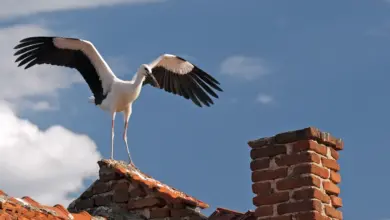
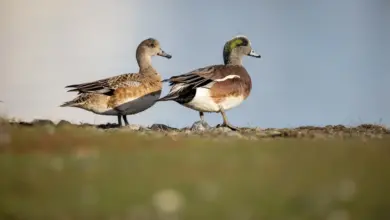
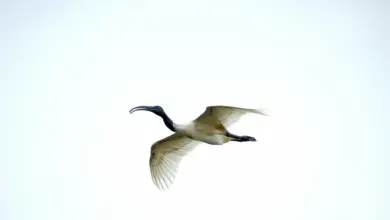
Madagascar, the world’s fourth-largest island, is renowned for its extraordinary biodiversity and high levels of endemism, especially among its avian inhabitants. Among these, the water birds of Madagascar represent a fascinating group, occupying diverse aquatic habitats including coastal lagoons, mangroves, freshwater lakes, and river systems. These birds play crucial ecological roles in their aquatic ecosystems as predators, scavengers, and indicators of environmental health. This article delves into the taxonomy, distribution, physical features, behavior, breeding, and conservation of Madagascar’s water birds, offering an in-depth look at some of the island’s most captivating species.
Scientific Classification
Madagascar’s water birds belong to a variety of avian families, reflecting the island’s unique evolutionary history and biogeographic isolation. Among the most prominent groups are the **herons** and **egrets** (family Ardeidae), the **ibises and spoonbills** (family Threskiornithidae), various species of **rails and crakes** (family Rallidae), and the **kingfishers** (family Alcedinidae). Additionally, Madagascar hosts several species of **ducks** (family Anatidae) and **waders** or **shorebirds** (family Scolopacidae), many of which are migratory visitors from the Palearctic region.
One of the most iconic water birds endemic to Madagascar is the **Madagascar pond heron** (Ardeola idae), a small heron found exclusively on the island. Another notable species is the **Madagascar teal** (Anas bernieri), a dabbling duck restricted to the northwest coastal lagoons. The **Malagasy sacred ibis** (Threskiornis bernieri) is a distinctive ibis species limited to the island’s wetlands. Each of these species reflects Madagascar’s unique evolutionary trajectory, shaped by millions of years of geographic isolation.


Geographic Range & Distribution
Madagascar’s water birds inhabit a wide range of aquatic environments across the island, from coastal mangrove forests and coral reef lagoons to inland freshwater lakes and river systems. The island’s western coast, characterized by extensive mangrove swamps and estuaries, supports large populations of species such as the **white-backed duck** (Thalassornis leuconotus) and the **Madagascar sacred ibis**. The eastern rainforests and their riverine systems provide habitat for more elusive birds like the **Madagascar rail** (Rallus madagascariensis), which is endemic to the humid forests.
Freshwater lakes such as Lake Alaotra, Madagascar’s largest inland wetland, are vital for species like the **Madagascar pochard** (Aythya innotata), one of the rarest diving ducks in the world. Coastal areas around the island attract migratory waders and seabirds, including the **greater flamingo** (Phoenicopterus roseus), which frequents saline lakes and coastal lagoons. The varied topography and climate of Madagascar create numerous microhabitats that support these water birds, with many species exhibiting localized distributions tied closely to specific aquatic ecosystems.
Physical Description
Madagascar’s water birds display an impressive range of physical adaptations suited to their aquatic lifestyles. The **Madagascar pond heron** is a compact heron, measuring approximately 45 cm in length with a wingspan of about 75 cm. It has striking breeding plumage with bright white wings contrasting against buff and chestnut body feathers, providing excellent camouflage among reeds and water plants. The species’ sharp, pointed bill and long legs are specialized for wading and fishing in shallow waters.
The **Madagascar teal** is a medium-sized duck, typically 45–50 cm long, with males weighing around 600 grams. It exhibits cryptic brown and buff mottling, which helps it blend into the dense reed beds and marshes it inhabits. The **Malagasy sacred ibis** is larger, standing about 70 cm tall with a wingspan reaching 120 cm. Its glossy black head and neck contrast with white body plumage, and it has a long, downward-curving bill adapted for probing mud in search of invertebrates.
Other species such as the **Madagascar grebe** (Tachybaptus pelzelnii) are smaller, measuring about 30 cm in length, with sleek, compact bodies and lobed feet that enable excellent diving and swimming. The **Madagascar jacana** (Actophilornis albinucha) is notable for its long toes and claws, which help it walk on floating vegetation. These physical traits highlight the diversity of morphological adaptations among Madagascar’s aquatic birds.
Behavior & Diet
Madagascar’s water birds exhibit a variety of behaviors adapted to their aquatic habitats. Most herons and egrets are solitary hunters, stalking quietly through shallow water to catch fish, amphibians, and aquatic invertebrates with their sharp bills. The **Madagascar pond heron**, for instance, primarily feeds on fish and small crustaceans, often standing motionless before striking swiftly with its beak.
Ducks such as the **Madagascar teal** are dabblers, feeding mainly on aquatic plants, seeds, and insects at the water’s surface or by tipping forward in shallow water. In contrast, diving species like the **Madagascar grebe** pursue small fish and invertebrates underwater. The **Malagasy sacred ibis** probes soft mud with its sensitive bill to extract worms, insects, and small mollusks.
Some species, like the **African fish eagle** (Haliaeetus vocifer), which also occurs in Madagascar, are apex predators, capturing fish from freshwater lakes and rivers. Many water birds are also social, forming flocks during feeding or roosting, especially in larger wetlands. Seasonal movements and migrations are common among waders and shorebirds arriving from northern continents to escape colder climates.
Breeding & Reproduction
Breeding strategies among Madagascar’s water birds vary widely, but most species nest near or over water to reduce predation risk. The **Madagascar pond heron** builds its nest in reed beds or mangroves, typically forming loose colonies. Nests are constructed from sticks and reeds, often positioned on low trees or shrubs over water. Females lay 2 to 5 pale blue eggs, which both parents incubate for about 24 days. Chicks are semi-precocial and leave the nest shortly after hatching, though they remain dependent on parental care for several weeks. According to Cornell Lab of Ornithology, this species is well documented.
The **Madagascar teal** nests in dense reed beds or grassy areas near water, creating simple scrapes lined with vegetation. Clutch sizes range from 6 to 12 eggs, with an incubation period of approximately 26 to 28 days. Both parents participate in incubation and chick rearing, and ducklings are precocial, leaving the nest soon after hatching to forage with their parents. According to RSPB, this species is well documented.
Other species, such as the **Malagasy sacred ibis**, nest in large colonies called rookeries, often in mangroves or tall trees close to water. These birds lay 2 to 4 eggs per clutch, with an incubation period of around 25 days. Colonial nesting offers protection against predators and facilitates social interactions. Breeding seasons generally coincide with the rainy season when food resources are abundant, ensuring higher chick survival.
Conservation Status
Many of Madagascar’s water birds face significant conservation challenges, primarily due to habitat loss, degradation, and invasive species. The island’s wetlands are increasingly threatened by agricultural expansion, pollution, and unsustainable resource use. The **Madagascar pochard** (Aythya innotata), once thought extinct, was rediscovered in 2006 but remains critically endangered according to the IUCN Red List. Its survival depends on the protection and restoration of freshwater lakes and marshes.
The **Madagascar teal** is classified as vulnerable, with populations declining due to wetland drainage and disturbance. The **Malagasy sacred ibis** is considered endangered, with habitat loss and hunting impacting its numbers. Conversely, some species such as the **Madagascar pond heron** are listed as near threatened, facing pressures from habitat conversion and pollution. Conservation efforts involve habitat protection, community engagement, and captive breeding programs, aiming to secure the future of these unique birds.
International cooperation is also vital, given the migratory nature of some water birds visiting Madagascar. Wetland conservation initiatives, such as the Ramsar Convention, play a crucial role in maintaining the health of these ecosystems that support both resident and migratory species.
Interesting Facts
Madagascar’s water birds exhibit several fascinating adaptations and behaviors. The **Madagascar jacana** is often called the “lily trotter” for its ability to walk on floating vegetation due to its elongated toes. This adaptation allows it to exploit feeding niches unavailable to other birds. The **Madagascar pond heron** is renowned among birdwatchers for its striking breeding plumage, which makes it one of the most photogenic water birds on the island.
The rediscovery of the **Madagascar pochard** sparked global interest, highlighting the island’s critical role as a biodiversity hotspot. This diving duck is considered the rarest waterfowl in the world, with fewer than 30 individuals estimated in the wild during the early 2010s, emphasizing the urgent need for habitat protection.
Many water birds in Madagascar have cultural significance for local communities, who often rely on wetland ecosystems for fishing and agriculture. Some species are featured in Malagasy folklore and are considered indicators of environmental health. Photographers and birdwatchers visiting Madagascar’s wetlands are rewarded with the opportunity to observe these unique species, many of which cannot be found anywhere else.
Overall, Madagascar’s water birds offer a window into the island’s ecological richness and the complex interplay between species and their habitats. Protecting these birds ensures not only their survival but also the health of the aquatic ecosystems they inhabit.
In conclusion, Madagascar’s water birds are emblematic of the island’s exceptional biodiversity. From the elusive **Madagascar rail** to the striking **Madagascar pond heron**, these species showcase a remarkable array of adaptations that allow them to thrive in various aquatic environments. However, the continuing threats to their habitats underscore the need for concerted conservation efforts. By fostering awareness, supporting habitat protection, and encouraging sustainable practices, we can help safeguard Madagascar’s water birds for generations to come.