Threskiornis is a genus of ibises—distinctive wading birds known for their graceful long legs, curved bills, and striking presence in wetland environments. These birds inhabit the warmer regions of the Old World, including southern Asia, Australasia, and sub-Saharan Africa. Renowned for their adaptability to diverse aquatic habitats, members of the genus Threskiornis play a vital ecological role in maintaining wetland ecosystems while captivating birdwatchers and nature enthusiasts with their elegant flight and social behaviors.
Scientific Classification
The genus Threskiornis belongs to the family Threskiornithidae, which also includes spoonbills. This family is part of the order Pelecaniformes, a group that encompasses pelicans, herons, and ibises. The name Threskiornis derives from Greek, meaning “harvest bird,” likely in reference to their foraging behavior in agricultural wetlands. These birds are classified under the subfamily Threskiornithinae, which groups ibises that share similar morphological and behavioral characteristics.
Currently, there are six recognized species within the genus Threskiornis. These include the well-known African Sacred Ibis (Threskiornis aethiopicus), the Madagascar Sacred Ibis (Threskiornis bernieri), the Black-headed Ibis (Threskiornis melanocephalus), the Australian White Ibis (Threskiornis molucca), and the Straw-necked Ibis (Threskiornis spinicollis), which is sometimes placed in a separate genus, Carphibis. There was also the Réunion Sacred Ibis (Threskiornis solitarius), an extinct species formerly found on Réunion Island in the Indian Ocean.


Geographic Range & Distribution
Threskiornis ibises are widely dispersed across the Old World’s tropical and subtropical zones. The African Sacred Ibis has an extensive range throughout sub-Saharan Africa and extends into parts of southeastern Iraq, where it occupies freshwater wetlands and riverine environments. The Madagascar Sacred Ibis is endemic to Madagascar and the Seychelles, occupying smaller yet ecologically significant wetland habitats.
The Black-headed Ibis breeds across South and Southeast Asia, with populations found from Pakistan and India through Sri Lanka, Bangladesh, Myanmar, and as far east as Japan. This species favors freshwater marshes, rice paddies, and lagoons in these regions.
Australia is home to two prominent species: the Australian White Ibis and the Straw-necked Ibis. The Australian White Ibis is widespread across much of the continent, particularly in urban and rural wetlands, floodplains, and coastal mudflats. The Straw-necked Ibis occupies much of Australia as well, excluding some parts of Western Australia, South Australia, and southwest Tasmania. Additionally, it is found on Norfolk Island, Lord Howe Island, and parts of Indonesia and New Guinea. This broad distribution reflects the genus’ adaptability to various wetland habitats within tropical and temperate zones.
Physical Description
Members of the genus Threskiornis are medium to large-sized wading birds, with adults averaging approximately 70 to 80 centimeters in length and weighing between 1 and 2.5 kilograms, depending on the species. The wingspan typically ranges from 90 to 120 centimeters, facilitating their strong, graceful flight capabilities. Their most distinctive feature is their long, thick, down-curved bill, which is perfectly adapted for probing mud and shallow waters in search of food.
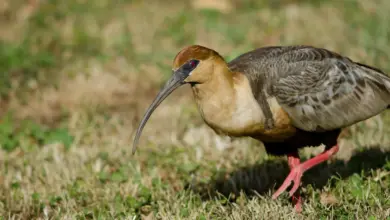
Most species display predominantly white plumage, earning them the common name “white ibises.” Exceptions include the Straw-necked Ibis, which has a striking dark, iridescent back combined with a cream-colored body. The head, neck, and legs of many Threskiornis species are bare and black, giving them a somewhat bald appearance that aids thermoregulation in their warm habitats.
Sexual dimorphism is minimal in this genus, with males and females exhibiting nearly identical plumage. Juvenile birds tend to have duller feathers and lighter-colored necks compared to adults, providing some camouflage and protection during their vulnerable early stages. In flight, ibises distinguish themselves from herons by flying with their necks fully extended rather than retracted, often forming V-shaped flocks during migration or foraging flights.
Behavior & Diet
Threskiornis ibises are highly social birds, often seen in large flocks, especially when roosting or feeding. They prefer shallow freshwater environments such as marshes, swamps, floodplains, rice paddies, tidal mudflats, and lagoons, though some species also inhabit open grasslands and urban wetlands. Their social roosting sites typically include trees near water—such as mangroves or bullrush beds—where they gather in colonies that may include other waterbirds.
Their feeding technique involves probing the soft mud and shallow water with their sensitive, down-curved bills to locate prey. Their diet is diverse and opportunistic, primarily consisting of aquatic invertebrates such as insects, crustaceans, and mollusks. They also consume amphibians like frogs, small reptiles including lizards and skinks, worms, and occasionally small fish. On land, they catch insects and other small animals, showcasing their adaptability to varying food availability.
These birds use tactile foraging, relying on the sensitive tips of their bills to detect prey hidden in murky water or mud. This method allows them to feed efficiently even when visibility is low. Their foraging behavior is often synchronized within flocks, which may help reduce predation risk and increase feeding success through social cues. According to BirdLife International, this species is well documented.
Breeding & Reproduction
Breeding within the genus Threskiornis typically coincides with or follows the rainy season, when water levels rise and food becomes abundant. This timing ensures that adults can provide ample nourishment for their offspring. Most species are colonial nesters, forming large breeding colonies that often include other waterbird species such as herons, egrets, and spoonbills. According to Audubon Society, this species is well documented.
Nests are usually constructed in trees or shrubs near water bodies such as lakes, rivers, or swamps, although some species may nest on cliffs or rocky outcrops. The nests themselves are shallow platforms made from sticks, reeds, grasses, and other plant material. These structures may be reused and refurbished year after year, demonstrating site fidelity among breeding pairs.
The typical clutch size ranges from two to four eggs, which are oval-shaped and pale blue or greenish in color. Both parents share incubation duties, which last about 21 to 28 days depending on the species. After hatching, chicks are altricial—born relatively helpless and requiring substantial parental care. They remain in the nest for several weeks until fledging, during which time both parents feed and protect them.
Conservation Status
The conservation status of Threskiornis species varies widely depending on their range, habitat quality, and human impacts. According to the International Union for Conservation of Nature (IUCN), most species like the African Sacred Ibis (Threskiornis aethiopicus) and the Australian White Ibis (Threskiornis molucca) are currently classified as Least Concern, reflecting their broad distribution and adaptability to diverse wetland habitats, including urban environments.
However, some species face localized threats. The Madagascar Sacred Ibis (Threskiornis bernieri) is classified as Vulnerable due to habitat destruction, wetland drainage, and human disturbance within its limited island range. The extinct Réunion Sacred Ibis (Threskiornis solitarius) was lost due to hunting and habitat loss in the 18th or 19th century, serving as a cautionary example of the fragility of island-endemic species.
Major threats to ibises across the genus include wetland degradation, pollution, disturbance from human activities, and climate change impacts that alter water regimes. Conservation efforts focus on protecting critical wetland habitats, regulating hunting, and fostering coexistence in urban areas where some species have become common. Monitoring populations and habitat conditions remains essential to ensuring their long-term survival.
Interesting Facts
An intriguing aspect of Threskiornis ibises is their cultural and historical significance. The African Sacred Ibis was revered in ancient Egypt, where it was associated with Thoth, the god of wisdom and writing. Mummified ibis specimens have been found in Egyptian tombs, highlighting their spiritual importance to early civilizations.
Unlike many birds that retract their necks in flight, ibises of the genus Threskiornis fly with their necks fully extended, often forming elegant V-shaped formations. This distinctive flight pattern helps birdwatchers and photographers identify them in the wild.
The Straw-necked Ibis, with its unique dark plumage and cream-colored neck adorned with stiff, straw-like feathers, is notable for its impressive adaptability. It has expanded its range in recent decades, increasingly inhabiting agricultural landscapes where it feeds on insects stirred up by farming activity. This species’ ability to exploit human-modified habitats contrasts with the more sensitive Madagascar Sacred Ibis, illustrating the diversity within the genus.
Socially, ibises are gregarious, often nesting and roosting in large colonies that provide protection from predators and improve foraging efficiency. Their communal lifestyle fosters complex interactions, including coordinated foraging and vocal communication that strengthen group cohesion.
Conclusion
The genus Threskiornis encompasses a fascinating group of ibises intimately linked to wetland ecosystems across Africa, Asia, and Australasia. These birds combine striking physical adaptations, social behaviors, and ecological roles that make them vital components of their habitats. While most species thrive in diverse environments, ongoing conservation challenges remind us of the importance of protecting wetlands worldwide. By understanding the biology, behaviors, and needs of Threskiornis ibises, nature enthusiasts, researchers, and conservationists can work together to ensure these elegant wading birds continue to grace the waters and skies for generations to come.