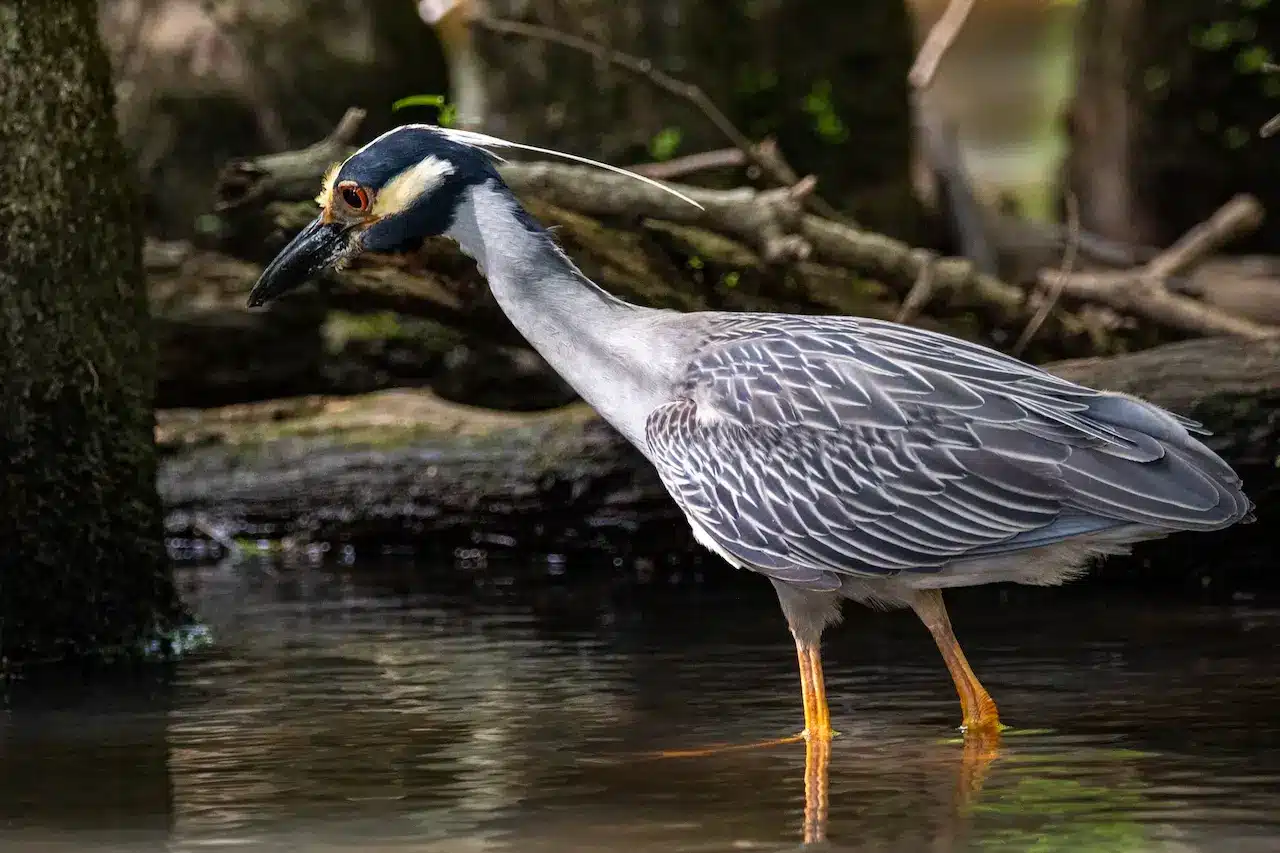



The Little Blue Heron is one of North America’s most elegant and striking wading bird species. This elegant species, despite its name, is not “little”. It is a medium-sized bird that has a unique transformation from a snowy-white juvenile to a rich blue-grey adult. This beautiful bird is an important part of the diversity of wetlands in the Americas. It can be found from the southern United States to Central America, and all the way down into South America. The Little Blue Heron, whether seen stalking its prey in the quiet marsh of a swamp or nesting with other herons together, is an important and fascinating resident of subtropical and tropical wetlands around the world.
Distribution of the Little Blue Heron
Little Blue Heron’s range is extensive, covering most of the warm, humid regions of the Western Hemisphere. The Little Blue Heron breeds in the Gulf States of the United States, including Louisiana, Texas and Florida. Its breeding territory extends through Mexico and the Caribbean and into South America up to Peru or Uruguay. The Little Blue Heron is a migrating bird in the northern parts of its range. This includes the southeast United States. It may migrate southward during winter to avoid the colder temperatures. In most of its range, however, it is considered to be a resident.
The Little Blue Heron’s pattern of dispersal after breeding is particularly fascinating. After breeding, the Little Blue Heron will often travel far north, even to areas close to the Canada-U.S. border. border. Birders who live in areas where this species is rare are excited by these sightings, which they often consider vagrants. This dispersal behaviour not only demonstrates the adaptability and resilience of the species but also reflects on the health of wetland ecologies in North America.
Breeding Behaviour and nesting habits
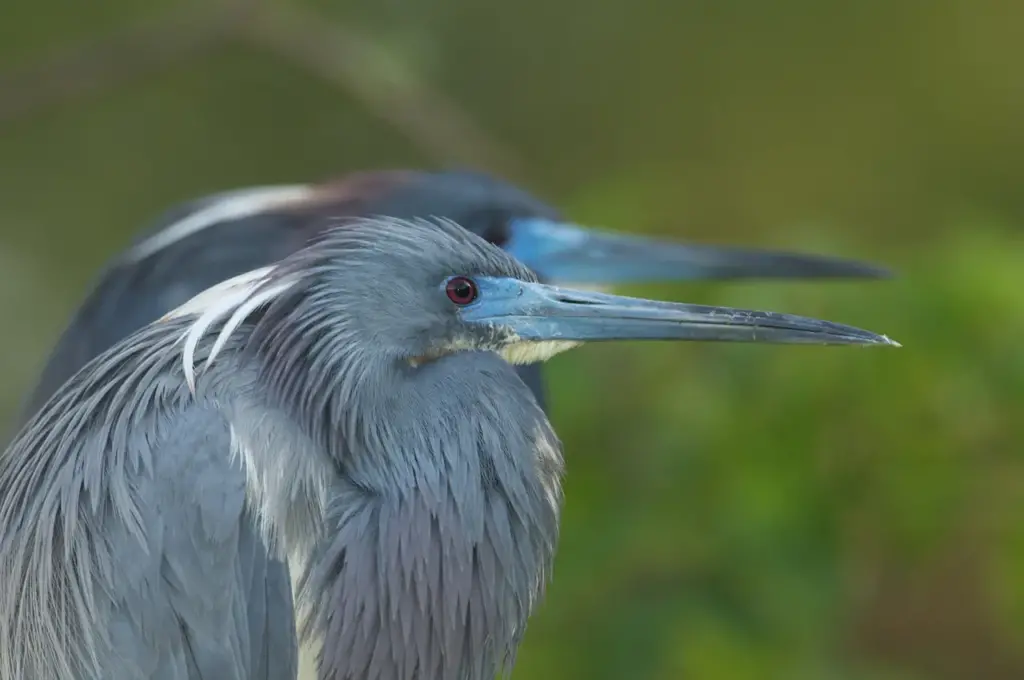
Little Blue Heron breeding season takes place communally, usually in colonies of nesting sites, which may be home to multiple heron species. These mixed species rookeries can be found in mangroves or wooded wetlands. They provide the herons with cover and water close by. The Little Blue Heron nests in large trees and shrubs. It builds platforms from sticks to accommodate the female’s clutch of 3 to 7 pale blue eggs.
The nesting process is shared by both males and females, from the building of the nest to the incubation of the eggs and the raising of the chicks. Incubation lasts about three weeks, and the chicks are born helpless. They require full parental care. The species has a wide distribution after breeding because the juvenile Little Blue Herons disperse so widely. The nesting colonies of Little Blue Herons are highly sensitive to disturbances, so conservation of wetland areas and protection of rookery locations are essential for long-term survival.
Physical description and plumage transformation
The distinct transformation of plumage of the Little Blue Heron from juvenile to adult is one of its most striking features. Little Blue Herons are white as a young bird and look similar to the Snowy Egret. The yellowish-green legs and dark wingtips of these white juveniles are what distinguish them. They go through a moulting transition stage called “calico” as they mature. Grey-blue feathers replace the white and give the bird a mottled look.
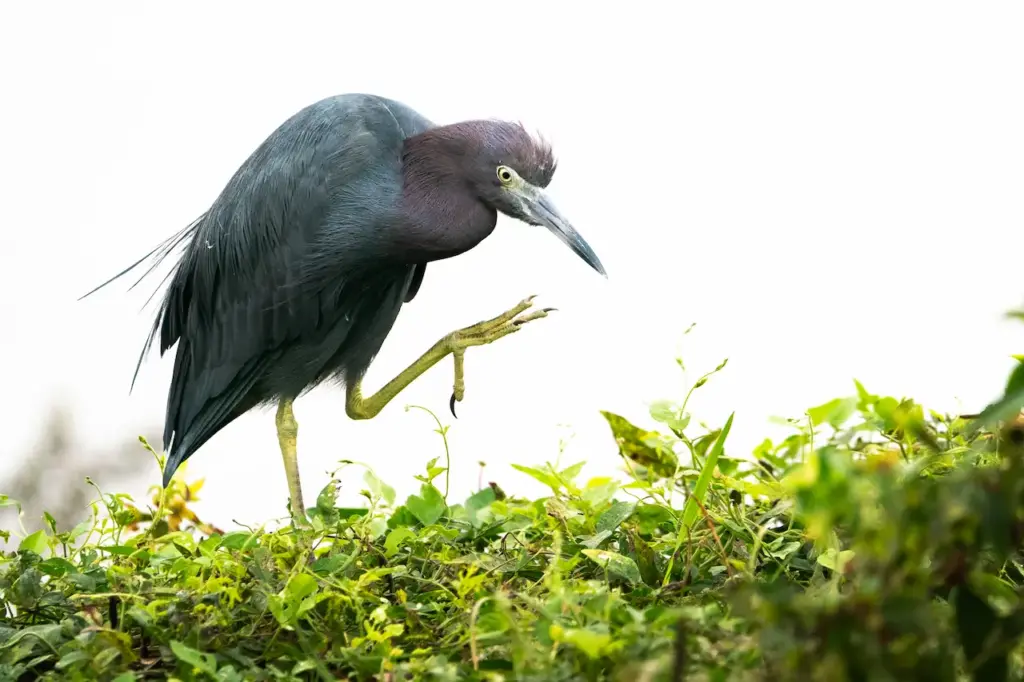
The Little Blue Heron’s signature appearance is a slate-blue body, a purplish maroon head, neck, and legs, and dark-blue feet and legs. The long, thin bills are blue or greyish, with a sharp, black tip. This bill is perfect for catching fish, insects and other small aquatic animals. The elegant colouration of the swan enhances its aesthetic appeal and provides an effective camouflage for the shaded wetlands. Females and males look almost identical. This makes gender identification difficult.
Hunting and Feeding Behaviour
Little Blue Heron is a methodical and patient hunter. It is often seen slowly wading through shallow wetlands and swamps with a statuesque pose. The Little Blue Heron is a more stealthy wading bird than other aggressive or energetic wading species. It uses movement deliberately to avoid startling its prey. It strikes quickly with its sharp bill to catch small amphibians and crustaceans. According to RSPB, this species is well documented.
Freshwater wetlands, estuaries and flooded fields are all habitats for feeding. This bird’s ability to adapt to different aquatic habitats reflects both its ecological flexibility and its role in controlling fish and insect populations in wetland ecologies. Little Blue Herons with their white feathers often feed alongside Snowy Egrets. The white colour may be used to blend in with other species or reduce aggression. According to Cornell Lab of Ornithology, this species is well documented.
Vocalizations & Behavior
The Little Blue Heron is not known for its elaborate songs. However, it does produce guttural sounds and harsh squawks when nesting or alarmed. These vocalisations are used for communication in colonies, and they can also be useful during territorial disputes or mating displays. This species feeds alone, unlike other herons, which may tolerate group feeding.
Little Blue Herons are often found in small groups or alone outside of the breeding season. They can be seen quietly moving through marshes or perched on low trees near water. Bird photographers and wildlife enthusiasts love their graceful, calm behaviour.
Conservation Status & Environmental Threats
The IUCN has classified the Little Blue Heron as a species with Least Concern, indicating stable populations across most of its range. This does not mean that the species is safe from dangers. The greatest threat to the Little Blue Heron is habitat loss. This is especially true in breeding areas, which are drained or developed for agriculture. Human encroachment is causing wetlands to disappear, forcing many wading birds, including Little Blue Herons, into smaller and fragmented habitats.
Environmental pollution is another major threat, especially in areas where agricultural runoff introduces herbicides or pesticides to waterways. This contamination can affect bird reproduction health and reduce the prey population. The disturbance of nesting colonies can lead to nest abandonment or reduced breeding success. This is especially true if boating, logging or unregulated tourism are involved. To ensure that the Little Blue Heron thrives, conservation efforts that focus on protecting wetlands, enforcing rookeries and promoting the sustainability of land use will be essential.
The role of the Little Blue Heron and Ecosystem Health
The Little Blue Heron is a wetland top predator that plays an important role in maintaining aquatic ecosystems. It regulates populations by feeding on insects, crustaceans and fish. The health of Little Blue Herons serves as a Bioindicator, a living indicator of the health of the wetlands that they inhabit. A decline in the heron population can indicate broader ecological problems such as overdevelopment, water pollution or declining biodiversity.
As a member of Heron Colonies, Little Blue Herons also contribute to the dynamics of nesting areas shared with other species such as the Great Egret, Tricoloured Heron and Black Crowned Night Heron. These communal rookeries are home to a variety of bird species and highlight the importance of conserving multispecies habitats rather than isolated conservation efforts.
Tips for Bird Watching and Identification
Birdwatchers who want to see the Little Blue Heron should visit wetlands in the southern United States or the Caribbean. The best times to see the Little Blue Heron are in the early morning or late afternoon, when they are most active and their colours are enhanced by the lighting. Their purplish feathers on their necks and their filamentous plumes become more vibrant during the breeding season.
It’s important to distinguish them from Snowy Egrets, which have yellow feet and black legs, as opposed to the Little Blue Herons’ pale legs. It is easy to identify the transitional plumage in young birds by their mottled “calico”. This is a distinctive feature of herons.
A Symbol for Wetland Grace
The Little Blue Heron, a bird that is both beautiful and important to the ecosystems of wetlands on two continents, is much more than a pretty bird. This species is a favourite among bird lovers and ecologists for its elegant look and systematic hunting techniques. This bird thrives when it is in harmony with the environment.
The Little Blue Heron is a symbol of the importance of protecting natural habitats and the fragile ecosystems that support biodiversity. A Little Blue Heron is a sight to behold, whether you are a birder or just a nature enthusiast. It will always bring a sense of wonder and admiration at the beauty of nature.