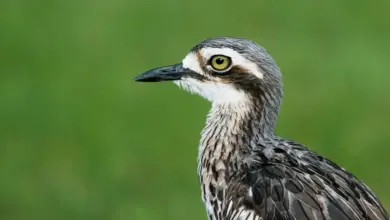
The **jacanas** are a fascinating group of tropical wading birds known for their remarkable adaptations to life on floating vegetation. Belonging to the family Jacanidae, these birds possess extraordinarily long toes and claws that allow them to walk effortlessly atop lily pads and other aquatic plants, earning them nicknames such as “lily trotters” and, in some cultures, “Jesus birds.” Found across tropical regions worldwide, jacanas are notable not only for their unique locomotion but also for their intriguing breeding behaviors and ecological roles in freshwater habitats.
Scientific Classification
Jacanas belong to the family **Jacanidae**, a group within the order Charadriiformes, which includes a diverse range of shorebirds such as plovers, sandpipers, and gulls. The family Jacanidae is composed of eight recognized species distributed among six genera. These genera include Jacana, Irediparra, Microparra, Actophilornis, Hydrophasianus, and Metopidius. Each genus encompasses species adapted to different tropical environments across the globe.
The scientific name for the commonly studied Northern Jacana is Jacana spinosa. Other noteworthy species include the Pheasant-tailed Jacana (Hydrophasianus chirurgus), the African Jacana (Actophilornis africanus), and the Lesser Jacana (Microparra capensis). These species share distinct morphological traits such as extremely elongated toes and claws, which are evolutionary adaptations to their floating habitats.


Geographic Range & Distribution
Jacanas inhabit tropical wetlands worldwide, with species distributed throughout the Americas, Africa, and Asia-Pacific regions. Their global range spans the tropical belt, generally between latitudes 30°N and 30°S. In the Americas, two species are found: the Northern Jacana (Jacana spinosa) ranges from Mexico through Central America and into northern South America, while the Wattled Jacana (Jacana jacana) is widespread across much of South America, including the Amazon basin.
Africa hosts three jacana species, including the African Jacana (Actophilornis africanus), which ranges widely across sub-Saharan wetlands, from Senegal and Ethiopia down to South Africa. In Asia and the Australasian region, three species occur, such as the Pheasant-tailed Jacana (Hydrophasianus chirurgus), found from northern India and Bangladesh through Southeast Asia, and the Bronze-winged Jacana (Metopidius indicus), which extends into parts of India and Southeast Asia. Australia is home to the Comb-crested Jacana (Irediparra gallinacea), which inhabits northern wetlands and floodplains.
Most jacana species are sedentary, maintaining territories year-round in their preferred freshwater habitats. However, the Pheasant-tailed Jacana is known for seasonal migrations, moving southward during the dry season in northern parts of its range to more favorable wetlands in peninsular India and Southeast Asia. Their habitat preference typically includes freshwater lakes, ponds, swamps, and lagoons with abundant floating vegetation such as water lilies and duckweed, which provide both feeding grounds and nesting platforms.
Physical Description
Jacanas are medium-sized waders, ranging in length from approximately 14 to 30 centimeters and weighing between 80 and 150 grams, depending on the species. Their most striking physical characteristic is their exceptionally long toes and claws, which distribute their weight evenly and enable them to walk on floating vegetation without sinking. For example, the Lotus Bird (a common name for some jacanas) has a combined toe length of up to 20 centimeters, with the reverse (hind) claw alone measuring around 7 centimeters—among the longest claws of any bird relative to body size.
Their plumage varies among species but generally features dark brown or black upperparts with contrasting colors on the wings and facial wattles. Many jacanas have a distinctive yellow or orange wattle at the base of the bill, which can be quite prominent during the breeding season. Their wings, when spread in flight, often reveal greenish or bronze iridescent feathers, providing a flash of color that contrasts with their otherwise subdued body plumage.
Sexual dimorphism is notable in jacanas, with females usually being larger and more brightly colored than males. This size difference is linked to their unusual breeding system, where females compete for mates and territories. Both sexes have a sharp spur on the wing’s elbow, used in aggressive encounters with rivals. This spur can be a formidable weapon, especially during territorial disputes.
While jacanas are superbly adapted to their watery habitats, their long toes make walking on solid ground awkward and clumsy, so they rarely leave floating vegetation. Their flight is strong and direct, with a wingspan typically ranging from 35 to 50 centimeters, depending on the species.
Behavior & Diet
Jacanas exhibit a range of fascinating behaviors shaped by their unique ecological niche. Their ability to walk on floating vegetation allows them to exploit food resources that are inaccessible to many other birds. They feed primarily on insects and other invertebrates, such as beetles, grasshoppers, and larvae, which they glean from the surface of lily pads and other aquatic plants. Small mollusks, crustaceans, and seeds of aquatic plants also form important parts of their diet.
Foraging typically involves slow, deliberate movements across floating vegetation, where their long toes act as natural snowshoes, preventing them from sinking. Jacanas are known to be territorial, often defending feeding areas and nesting sites vigorously against conspecifics and other wading birds. Their sharp wing spurs are frequently employed in these aggressive encounters.
Socially, jacanas are interesting because of their breeding systems, which influence their behavior outside the nesting period as well. Some species, such as the Northern Jacana, show polyandrous mating systems in which a single female mates with multiple males, each of whom incubates eggs and cares for the young. This role reversal is uncommon among birds and highlights jacanas’ unique reproductive strategies.
Breeding & Reproduction
Jacanas have a breeding strategy that sets them apart from many other bird families. Most species exhibit **polyandry**, where females maintain territories and mate with several males, each responsible for incubating eggs and rearing chicks. This reversal of traditional sex roles is linked to the female’s larger size and the high energetic demands of defending multiple mates and territories. According to Cornell Lab of Ornithology, this species is well documented.
Nesting typically occurs on floating mats of vegetation, such as water lilies, in the shallow parts of lakes and ponds. Males construct nests by assembling floating plant material into a shallow platform that remains buoyant over the water. The nest is often anchored to emergent vegetation to prevent drifting. According to RSPB, this species is well documented.
Females lay between two to four eggs, which the male incubates alone for approximately 19 to 22 days, depending on the species. The chicks are precocial, hatching with downy feathers and the ability to move about shortly after birth. Males continue to care for the young, leading them across floating vegetation and protecting them from predators.
Breeding seasons vary geographically, often coinciding with the rainy season when aquatic vegetation is abundant, providing optimal nesting and feeding conditions. The Pheasant-tailed Jacana, for example, times its breeding to coincide with monsoon rains in South Asia.
Conservation Status
Most jacana species are currently considered **Least Concern** by the International Union for Conservation of Nature (IUCN), reflecting their relatively wide distributions and stable population trends. However, they remain sensitive to habitat degradation, particularly the loss and pollution of wetlands, which are vital for feeding and breeding.
Wetland drainage for agriculture, urban development, and water pollution pose ongoing threats to jacana populations globally. For instance, the Comb-crested Jacana in northern Australia depends on seasonal floodplains, which can be affected by changes in water management and climate variability. Conservation of freshwater wetlands and the maintenance of healthy aquatic vegetation are essential for sustaining jacana populations.
Some localized populations may face pressures from invasive species, human disturbance, and environmental changes. Continued monitoring and habitat protection efforts are important to ensure these unique birds continue to thrive in their tropical environments.
Interesting Facts
One of the most remarkable features of jacanas is their extraordinary toe length, the longest relative to body size of any bird. This adaptation allows them to distribute their weight over a large surface area, enabling them to walk on lily pads and other floating plants that would sink most other birds.
Jacanas’ polyandrous breeding system is rare among birds, with females actively competing for males, inverting traditional mating roles. This social structure is a fascinating example of the diversity of reproductive strategies in the animal kingdom.
In some cultures, jacanas are associated with mystical qualities due to their seemingly effortless movement over water. Jamaican folklore refers to the Northern Jacana as the “Jesus bird” because it appears to walk on water, an image that captures the imagination of birdwatchers and local people alike.
During flight, jacanas reveal striking wing colors, often iridescent green or bronze, contrasting with their darker body plumage. This flash of color is thought to play a role in communication and mate attraction.
Additionally, jacanas molt their primary flight feathers in a unique pattern. For example, the Central American Jacana loses its primaries gradually from the middle outwards, while others shed all their flight feathers simultaneously, rendering them temporarily flightless during molting—a risky period requiring careful habitat selection.
Conclusion
Jacanas are captivating birds that showcase the incredible diversity and adaptability of tropical wetland ecosystems. Their specialized morphology, unique breeding behaviors, and wide distribution make them a compelling subject for birdwatchers, naturalists, and wildlife photographers alike. Understanding jacanas’ ecological roles and conserving their freshwater habitats is crucial for maintaining the health of tropical wetlands worldwide. Whether admired for their delicate footwork across lily pads or their unusual social systems, jacanas remain a vivid reminder of the wonders hidden in the world’s watery landscapes.