Our fascination with insects spans cultures, continents, and centuries. From mythical dragon-slaying flies to maggots as living surgeons to tiger beetles injected into blood to beetles being used as musical instruments, our fascination with insects is universal. Both humankind and tiny creatures will find much to laugh at, marvel at, or even question.
Insect Legends that Spark Wonder
The fact that insects are everywhere and mysterious has inspired many myths. In Europe’s Carpathian Mountains, locals created a myth that Simulid flies, those tiny biting midges, are born from the dragon’s blood slain by St. George. Imagine every bite being a reminder of a mythical creature! Even though it is mocked today by locals and scientists, the story remains captivating. It’s proof of how humans weaved myth into nature in order to explain the unknown.
In many cultures, insects were used as symbols and omens. The Tangkhuls of northeast India eat the grasshopper Katydid (locally known as Khao) and consider its presence in a house as a sign that rodents have been raiding rice stores. The Mao people believed that termite mounds would predict rain, and swarms were a sign of impending drought. These beliefs illustrate how natural observations were integrated into cultural understanding.
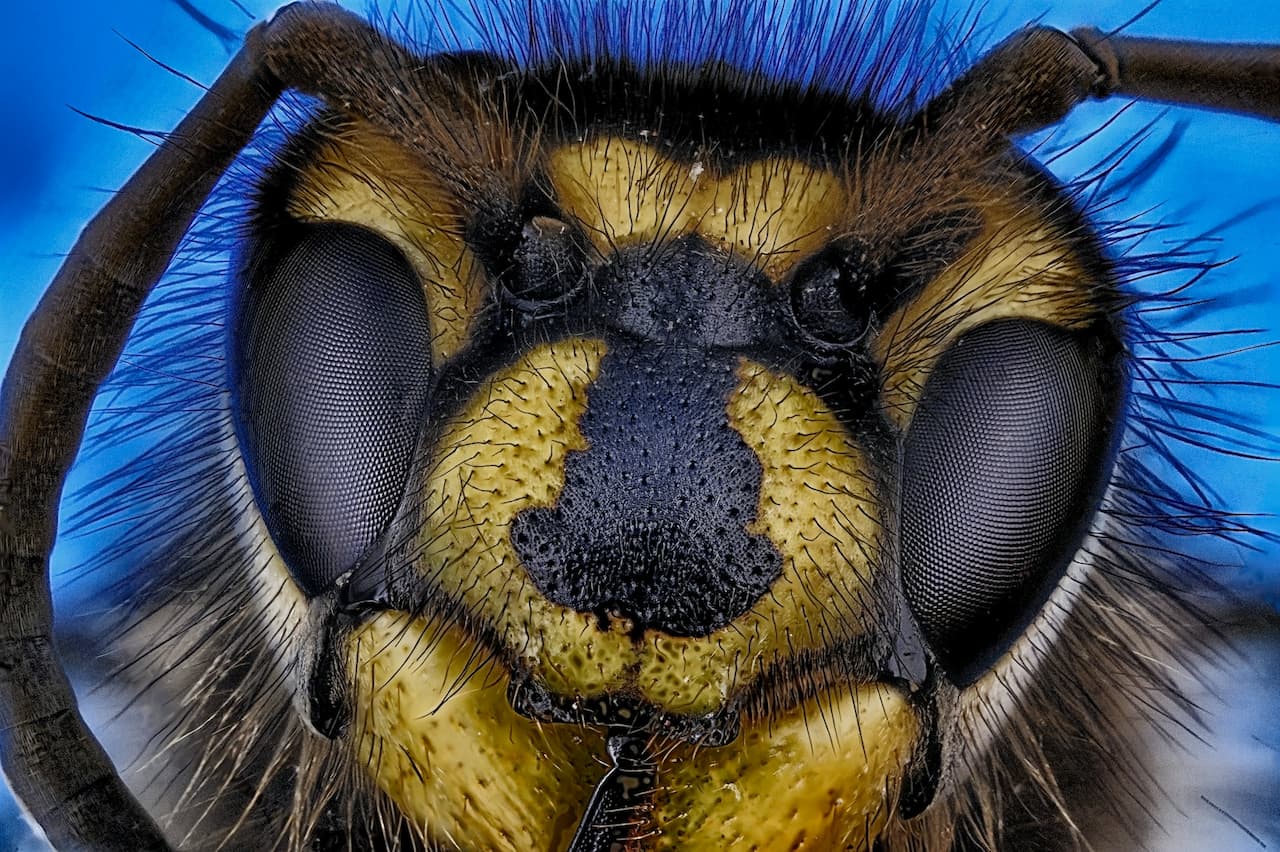
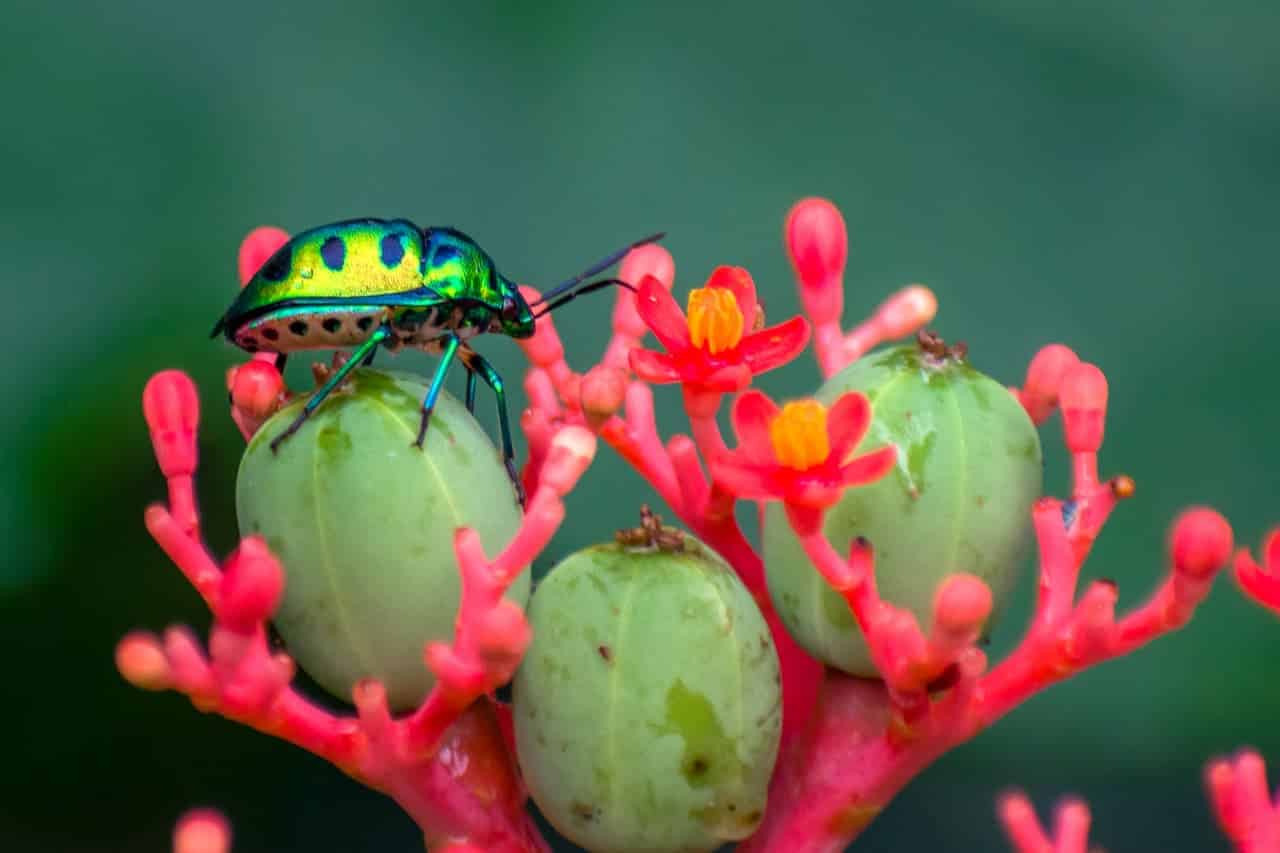
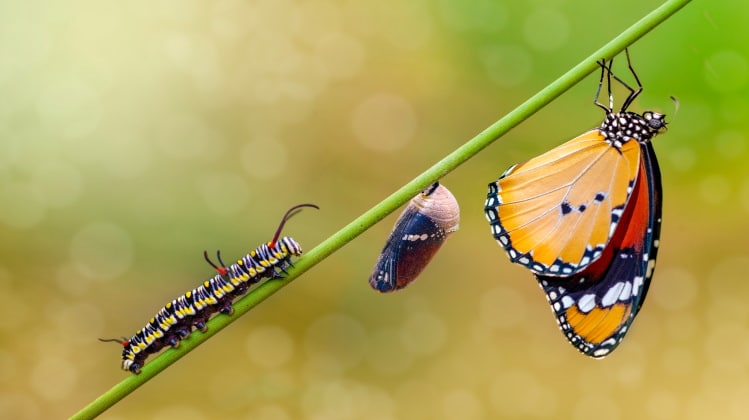
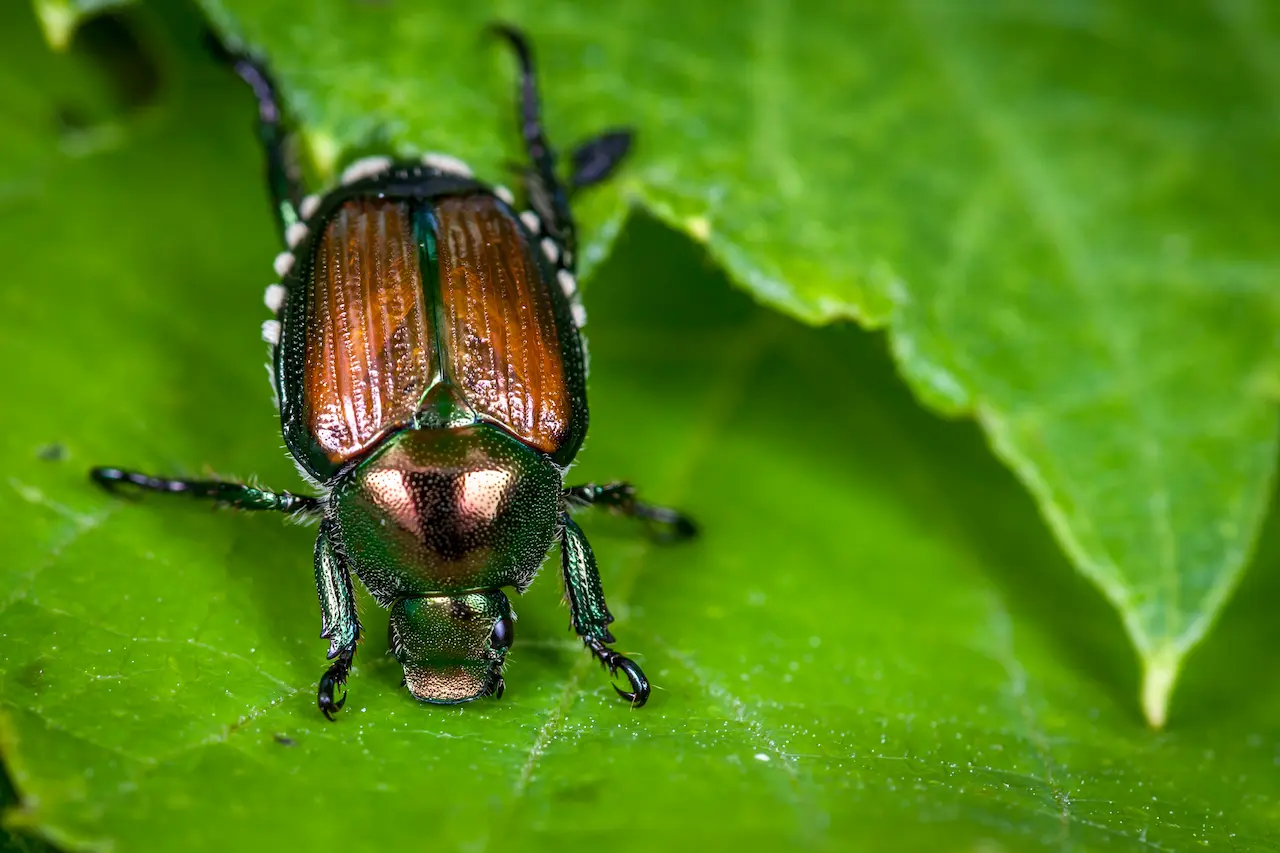
Butterflies are often symbols of spiritual transformation, fireflies may represent ancestral souls, and certain beetles and spiders are guardians warding off evil energies. In Mexican culture, insects are more than just nuisances. They’re symbols with deep meaning. Fireflies may represent ancestral souls, and some beetles or spiders can act as guardians to ward off evil energies. Such symbolism has found its way into art, ritual, and storytelling–imbuing insects with roles as messengers, protectors, and mythic figures.
From Folklore to Pharmacy: Insects in Traditional Medicine
People have been looking to insects for centuries as a source of cures. Some are bizarre, others are surprisingly inventive.
A curious remedy used earwigs, which were powdered with hare’s urine and applied to the ears overnight to treat deafness. The remedy, whether it worked or not,ot shows the extent to which people will go to get better.
The Spanish Fly or vesicatoria is a more dangerous example. Cantharidin was its to,xin, and it was used for ancient hair treatments and love potions. It was lethal, causing vomiting and severe stomach pain. Love literally meant putting your life at risk.
Its haemolytic properties caused paralysis and death. The haemolytic effects of the beetle caused paralysis and even death.
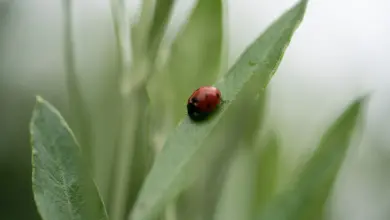
Bed bugs were believed by some folklore to cure malaria. Crushed ladybirds are used in strange remedies for colic, measles, and toothaches.
The cooking of these remedies blurs boundaries between mythology and medicine, and offers fascinating insights into the different cultures’ understandings of health, the body, and the natural environment.
The most impressive example of healing with insects is maggot therapy. It has been scientifically validated. In modern medicine, sterilized maggots can be used to treat chronic wounds. They eat the dead tissue and leave healthy tissue alone. They also release antimicrobial substances. It sounds medieval, but it is FDA-approved today and used in multiple countries.
In traditional Chinese medicine, various insect parts have been used for a long time. The silkworm pupae, Jiangca, were used to treat convulsions or respiratory problems. Propolis from honeybees is used to treat wounds, inflammation, and for its antibacterial qualities.
Insect-derived compounds are still being discovered by modern research, whether it is to create new drugs or understand immune responses. Insects display incredible biochemical diversity, making them untapped treasure troves for future medicine.

Eatable Bugs Across Cultures
Let’s discuss something even more shocking–bugs for food. Many cultures eat insects as a staple food, even though many Westerners find it disgusting.
Mexicans make a powerful drink from tiger beetles that have been soaked in alcohol. They also enjoy “caviar”, which is made of giant water bug eggs. Chapulines are grasshoppers that are roasted, seasoned, and served with chili and lime. Escamoles are called “Mexican Cavia,” and magueyworms are considered a delicacy.
Women in the Nile Valley ate Churchyard and Scarab Beetles to gain mass and conform to beauty ideals. Ancient Romans ate grubs fried with flour and wine, a dish known as “Cossus.”
Indigenous Australians consume witchetty grubs and Bugong Moth caterpillars. They also eat honey pot ants, whose abdomens contain honey-like nectar.
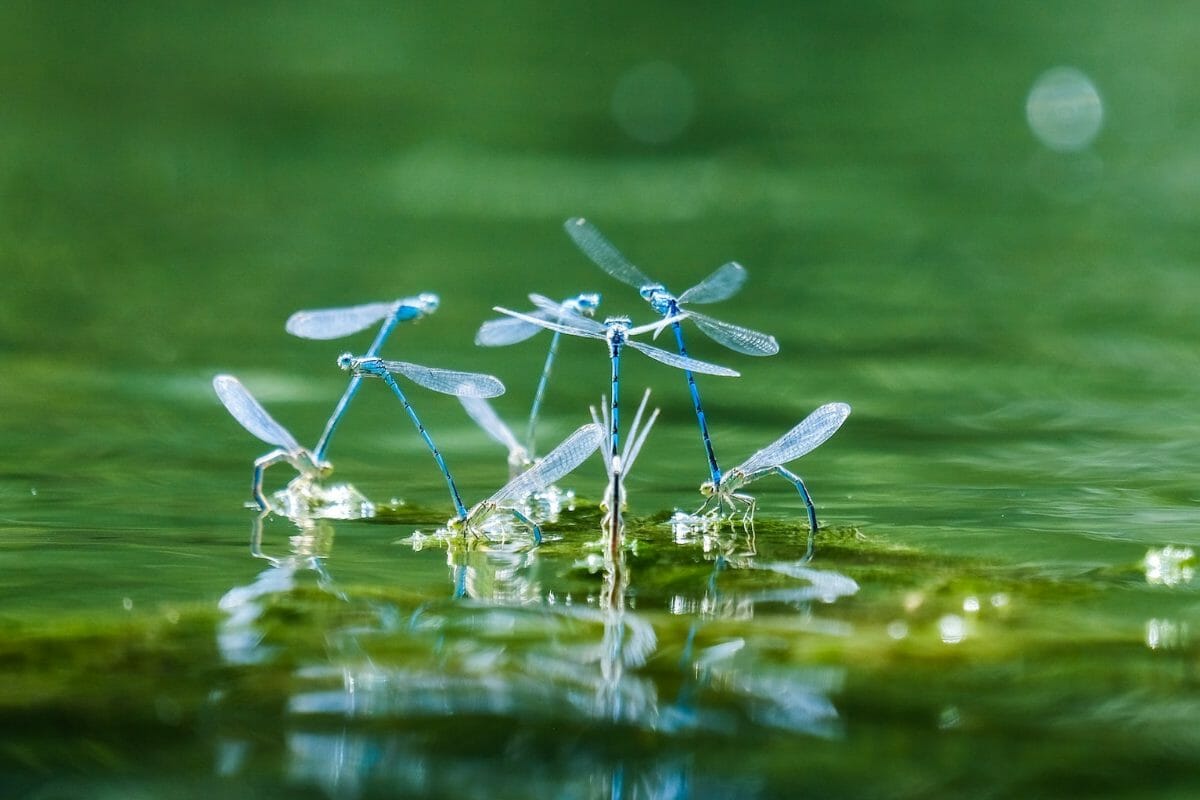
Chinese continue to consume silkworm pupae after silk extraction. The taste of the leaf-cutting queen ant’s abdomen is highly prized in South America. Lombok’s fried dragonflies are a crunchy treat. They are cooked with onions, shrimp, and garlic.
In the West Indies, people eat bamboo weevils and giant water bugs. Javans cook cockchafers while North American tribes roast tarantulas. Thai markets sell scorpions deep-fried.
This dish, which is similar to crab soup and made of midges that are abundant in the spring, has become a classic European dish. This dish is almost extinct due to the decline in pesticides. According to iNaturalist, this species is well documented.
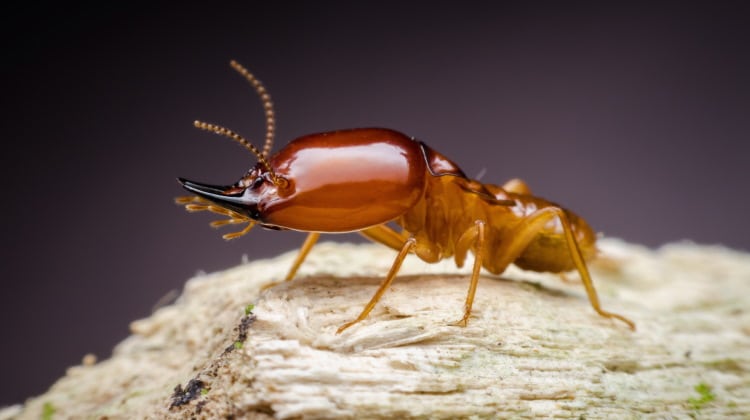
In Uganda, Alakena is a traditional dish that features termites, which are collected during the swarming period and prepared with ground nuts, vegetables, and Wikipedia. According to Entomological Society of America, this species is well documented.
They are a sustainable source of protein and have a low impact on the environment. They require less water, land, and feed to farm than traditional livestock. Entomophagy could play a key role in the future of food systems, with the growing interest in a sustainable diet.
Insects, Symbolism, and Spirituality
In ancient Egypt, the scarab beetle was a powerful symbol of rebirth and protection. In ancient Egypt, the scarab beetle symbolized the sun god Ra and was a powerful icon of rebirth and protection. Dragonflies are associated with courage, happiness, and rebirth in Japan. They have even been featured in seasonal artwork and poetry.
Mexican folklore portrays butterflies as messengers of the spirits during the Day of the Dead. Prayers are also woven into artwork as a reminder of transformation and connection with ancestors.
In European and Native American traditions, bees are messengers between worlds–protecting, blessing, and symbolizing community, while ants often represent industriousness and hard work, projecting insect.com ininsecthiv e.comm.
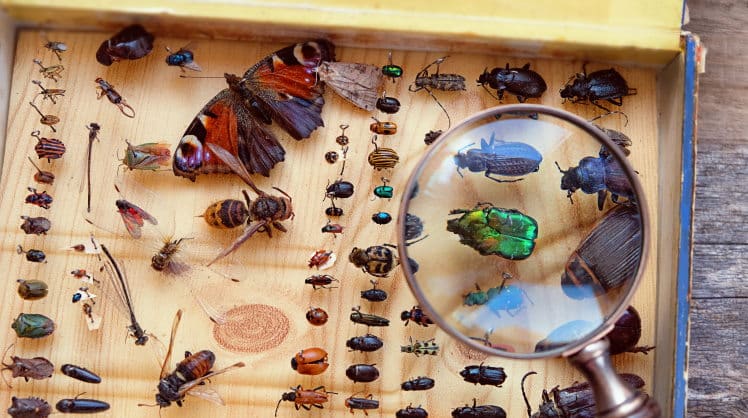
Cultural entomology, the interdisciplinary study of insects in culture, folklore, religion, art, and psychology, is a growing academic field that highlights how universally insects have shaped human perception.
Insects can even provide spiritual comfort for some people. Anecdotes from Japanese “beetle men” who survived the atomic blast describe a dragonfly that landed in front of him amid devastation. Its calm resilience was a powerful symbol of life’s perseverance.
What Insects Teach Us Today
Why is this important? Why is it important to pay attention?
-
Cultural Memory– These stories and customs reveal how societies have interpreted their world, taking lessons from even the smallest creatures.
-
Sustainable Solutions– From insect-based food to maggot therapy, many traditional insect uses today are being reevaluated for their scientific validity.
-
Biodiversity awareness– As insect populations around the world are declining, understanding insects’ cultural roles highlights their irreplaceable value in ecosystems and in our collective heritage.
-
Ecoethics– By seeing insects as creatures with cultural, medicinal, and nutritional functions, we can respect nature’s interdependence and diversity.
Conclusion
Insects are not just creepy-crawlies–they are cultural icons, healers, culinary ingredients, and spiritual symbols. These tiny creatures have made a huge impact on human history. From the legends about dragon-borne flisto oto to cutting-edge medicine derived from inse,cts to tribal cuisine and sacred art, they are a cultural icon.
Remember that the next time you look at a beetle or a butterfly, you are looking into millennia worth of stories, medicine, nd meaning.
I appreciate you exploring these insect sidebars with me. Comment below if this blog has piqued your interest. Share the strangest insect fact that you have encountered or a story that you would like to hear further developed. If you are willing to experiment, roast chapulines and enjoy the beauty of dragonflies under sunset lights.
Be curious and kind to bugs. Let their stories inspire you to connect more deeply with our world.
Book Reviews
Web Links
Insects as Food in some recipes I admit I haven’t tried yet.