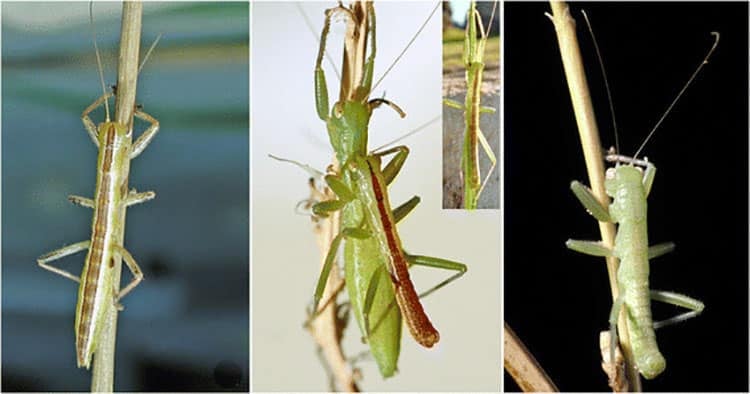
Insects have played a profound and often surprising role in traditional medicine across cultures and centuries. This practice, known as entomotherapy, involves the use of insects or their products for healing purposes, ranging from treating common ailments to addressing complex health conditions. While modern medicine has largely overshadowed these ancient practices, the medicinal use of insects reveals fascinating insights into human ingenuity and the complex relationships between people and the natural world. This article explores some of the most notable examples of ancient entomotherapy, focusing on specific insect groups, their biological traits, geographic relevance, and the cultural contexts in which they were used.
Scientific Classification
Entomotherapy involves a diverse array of insect species belonging to different orders, each with unique biological properties that have been harnessed for medicinal use. Among the most significant are beetles from the family Meloidae, commonly known as oil beetles, which include the infamous Lytta vesicatoria, or Spanish fly. These are blister beetles within the order Coleoptera, characterized by their chemical defense mechanism producing cantharidin (C10H12O4), a potent vesicant toxin.
Other important medicinal insects include the leaf beetle Diamphidia simplex (family Chrysomelidae), known for its hemolytic toxins used by indigenous African peoples, and the seed head weevil Rhinocyllus conicus (family Curculionidae), whose larvae were historically used to alleviate toothaches. Bed bugs, primarily from the family Reduviidae, were also utilized in traditional remedies, particularly in malaria treatment, although these are now discredited medically.
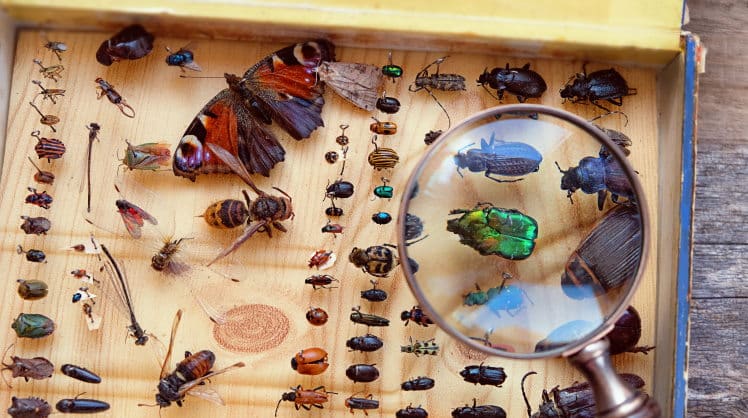
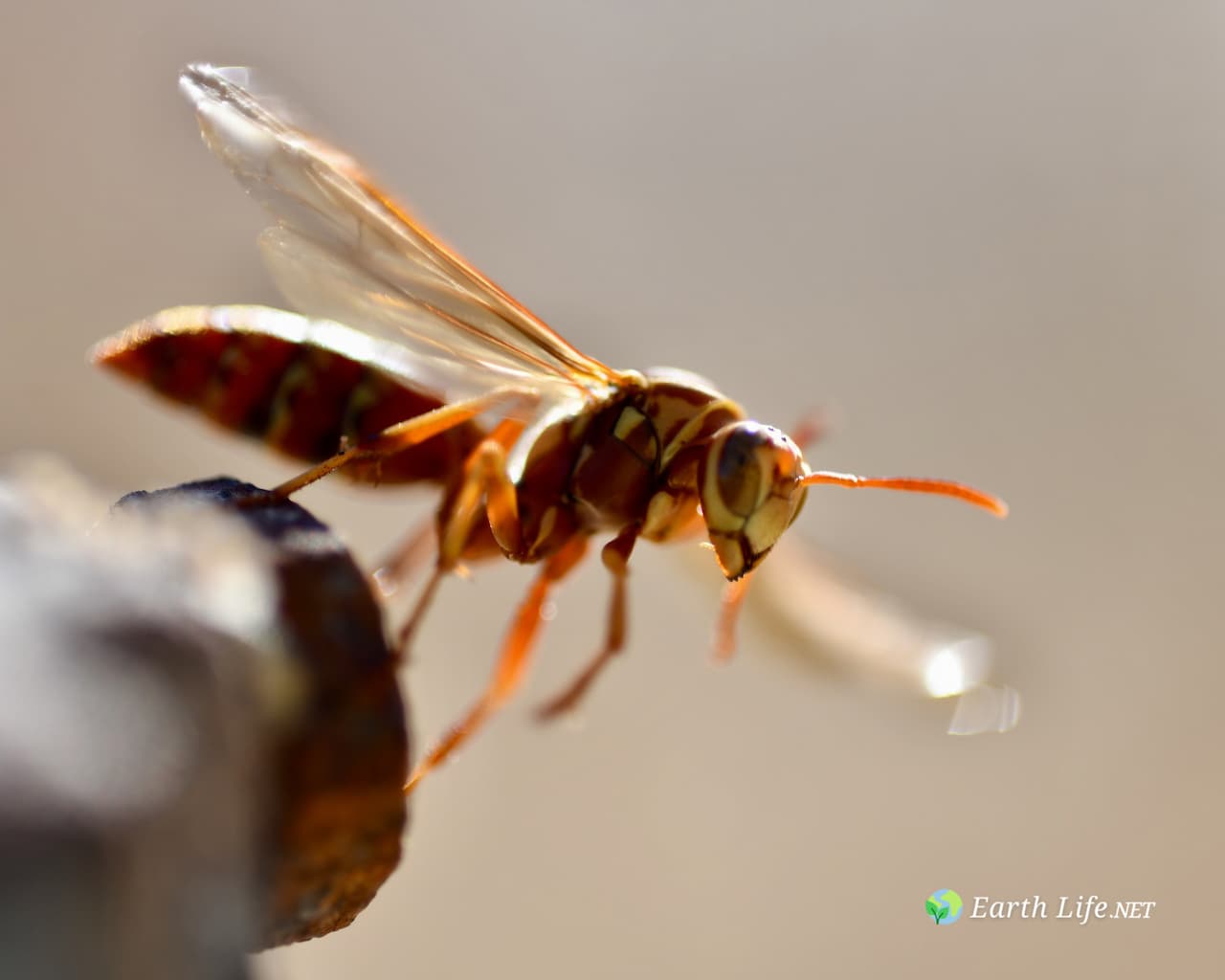
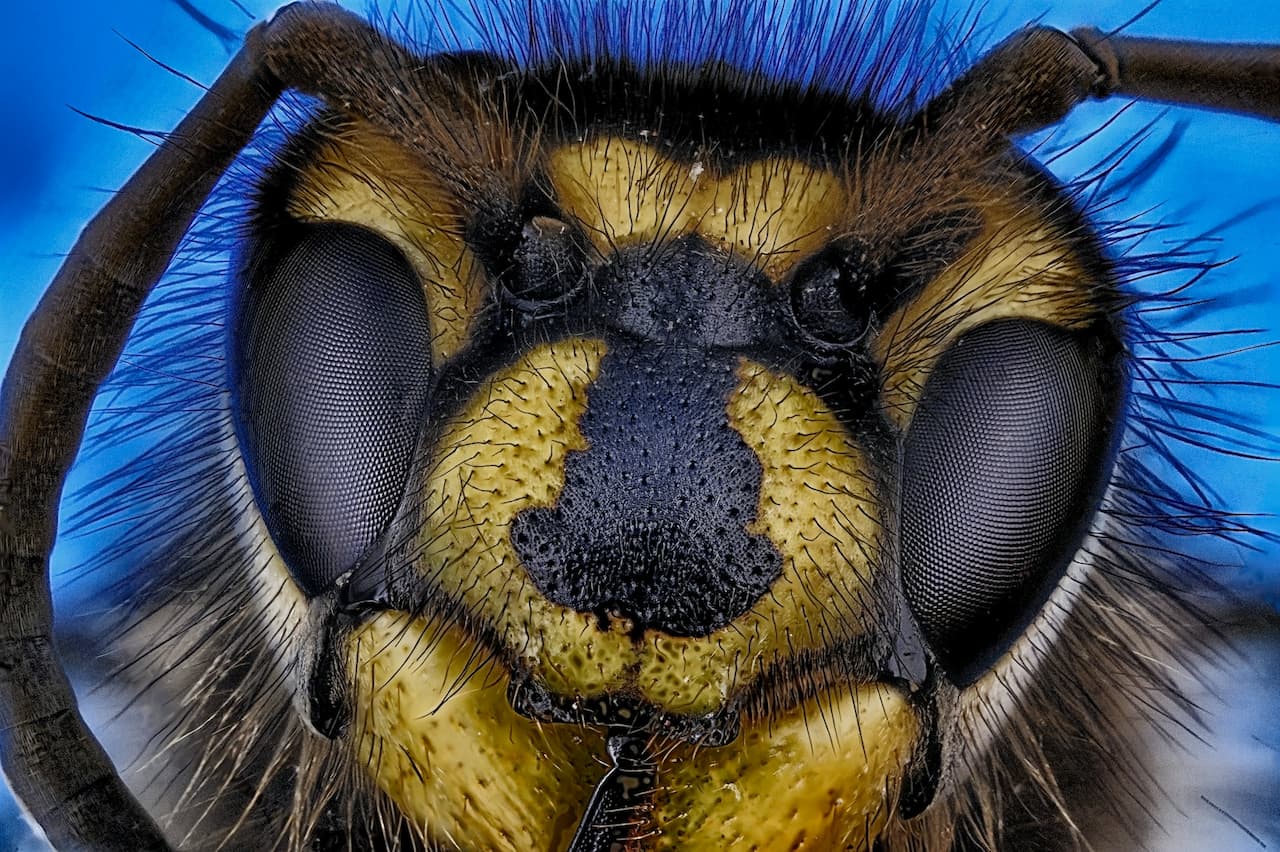
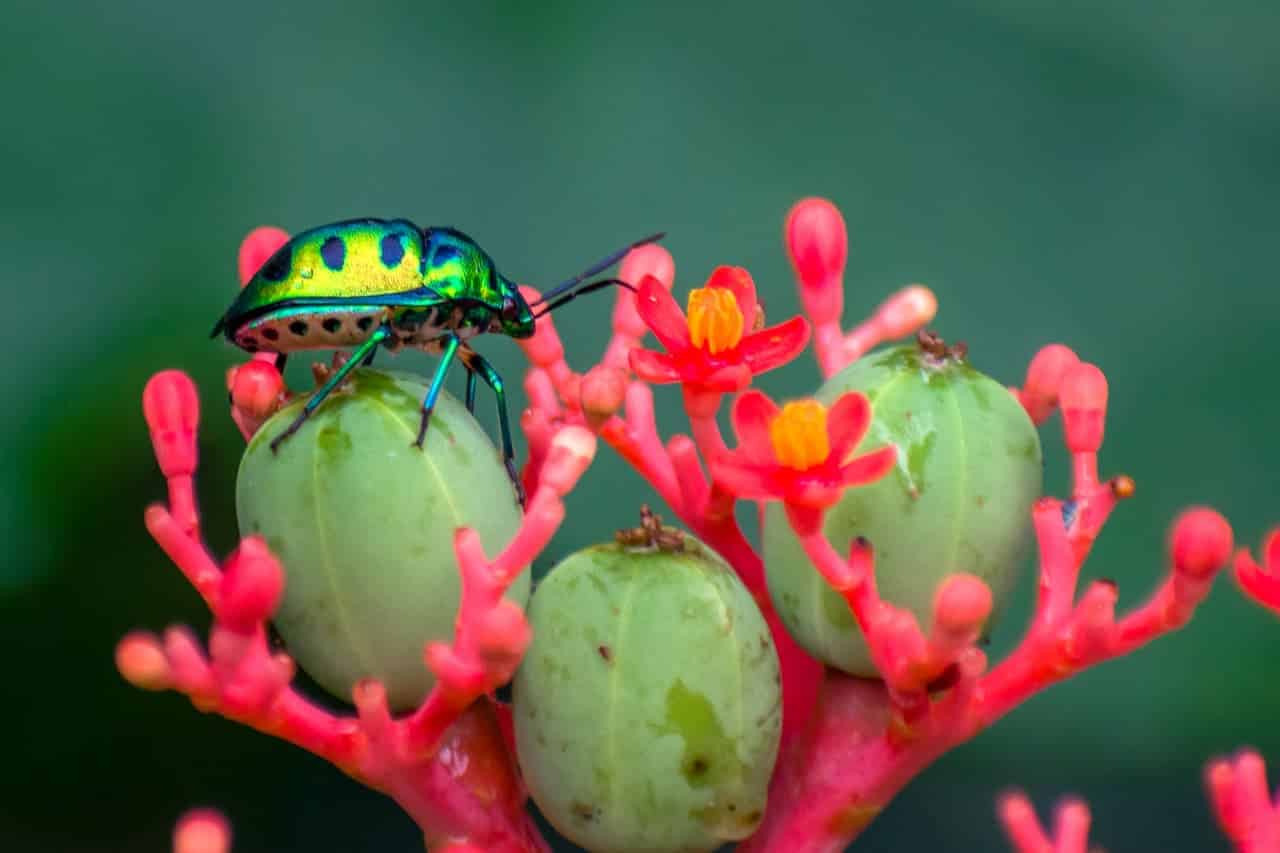
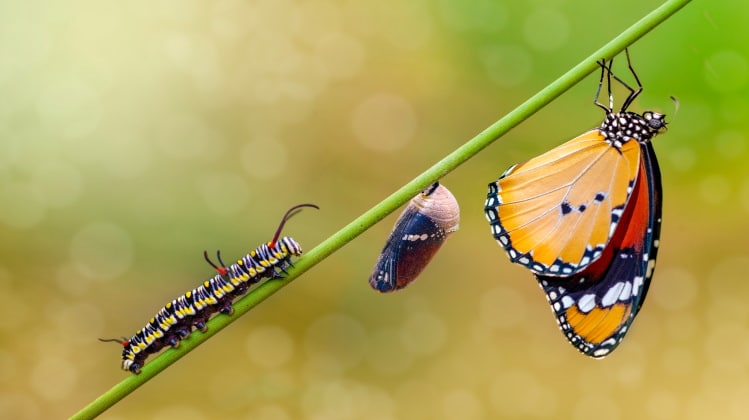
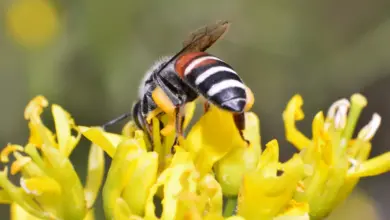
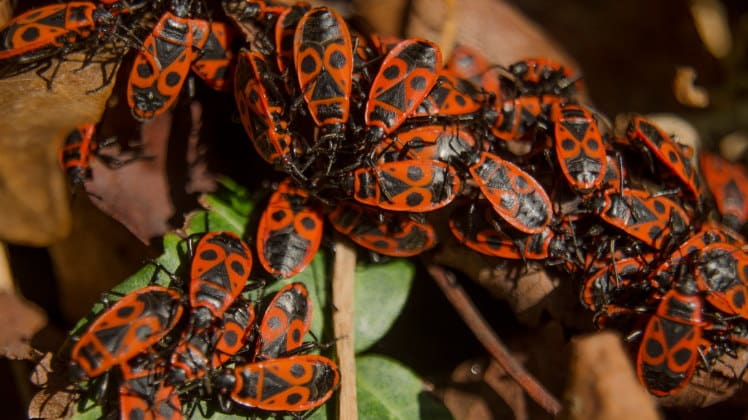
Additionally, ladybirds (family Coccinellidae) have a rich history of medicinal application, particularly in Europe, while cockroaches (order Blattodea) were powdered and sold in the form of “Pulvis Tarakanae” for respiratory illnesses. Ants of the genus Formica have been used for their formic acid, a compound with stimulant and antiseptic properties noted as early as 1000 AD by Hildegard of Bingen. The European honeybee (Apis mellifera) and its venom have also been studied for their therapeutic potential, especially in treating rheumatism.
Geographic Range & Distribution
The insects used in ancient entomotherapy span broad geographic ranges, reflecting the wide distribution of many medically significant species. The Lytta vesicatoria or Spanish fly is native to Southern Europe and North Africa, thriving in temperate climates across the Mediterranean basin. Its historical use in European folk medicine is well documented, especially in regions such as Spain, Italy, and France.
Diamphidia simplex is found in parts of Southern Africa, particularly within the arid and semi-arid regions inhabited by the San people, also known as the Bushmen. These indigenous groups have long utilized the beetle’s potent toxin to coat hunting arrows, illustrating a unique intersection of traditional medicine and hunting practices.
The seed-head weevil Rhinocyllus conicus is native to Eurasia, with a range extending from Central Europe to parts of Asia. Bed bugs, particularly from the Reduviidae family, were prevalent globally, especially in tropical and subtropical regions, where they were sometimes used in malaria treatments in Africa and Asia. Ladybirds, widespread across Europe, Asia, and North America, were incorporated into folk remedies largely in temperate climates.
Cockroaches, including species used for medicinal powders, are cosmopolitan but were particularly common in European urban areas where “Pulvis Tarakanae” was marketed. Ants of the genus Formica are distributed widely across Europe, North America, and parts of Asia, whereas the honeybee, Apis mellifera, is native to Europe, Asia, and Africa but has been globally introduced through apiculture.
Physical Description
The Spanish fly (Lytta vesicatoria) measures approximately 8 to 12 millimeters in length and is easily recognizable by its brilliant metallic green elytra, which shimmer in sunlight. This beetle’s striking coloration serves as a warning for its chemical defenses. The cantharidin toxin is stored in the beetle’s body fluids and exuded when threatened.
Diamphidia simplex is a smaller leaf beetle, usually around 10 to 15 millimeters long, with a dark, often brown or black exoskeleton. This species produces a powerful hemolytic toxin that causes red blood cell destruction and paralysis in predators and prey. The larvae feed on host plants and develop potent chemical defenses used by indigenous hunters.
The seed-head weevil Rhinocyllus conicus is relatively small, measuring about 5 to 8 millimeters, with a characteristic elongated snout typical of weevils. Its larvae burrow into the flower heads of thistles, and historic medicinal use involved the dried larvae ground into powders.
Bed bugs from the family Reduviidae are small, flattened insects ranging from 5 to 10 millimeters in length, often reddish-brown. Their physical appearance is less striking but notable for their piercing-sucking mouthparts. Ladybirds (Coccinellidae) are small, dome-shaped beetles between 4 and 10 millimeters, commonly bright red or orange with black spots, a coloration that signals toxicity to predators.
Cockroaches used in traditional medicine were typically the common European species, averaging 25 to 40 millimeters in length with a flattened, oval body adapted for fast movement in dark, confined spaces. Ants of the genus Formica vary widely but generally range from 4 to 12 millimeters, with reddish or brownish coloration and a segmented body featuring the distinctive petiole or “waist.” The European honeybee averages about 12 to 15 millimeters in length, with golden-brown coloration accented by black bands on the abdomen.
Behavior & Diet
The behavior and diet of these medicinal insects are as diverse as their taxonomic groups. The Spanish fly is phytophagous, feeding primarily on foliage from plants such as alfalfa and other legumes. The beetles sequester toxic cantharidin, which serves both as a defense mechanism and a mating pheromone. They are slow-moving and tend to cluster on host plants during warmer months.
Diamphidia simplex larvae feed on leaves of specific host plants in the family Euphorbiaceae, accumulating toxins that make them valuable for hunting and medicine. Adult beetles are often found on shrubs and small trees, and their slow, deliberate movements contrast with their potent chemical defenses.
The seed-head weevil Rhinocyllus conicus specializes on thistle plants, where adults feed on leaves and larvae develop inside flower heads, consuming seeds. Their life cycle is closely linked to the availability of thistle plants, making them important in biological control as well.
Bed bugs are hematophagous, feeding exclusively on the blood of warm-blooded animals, including humans. Their nocturnal behavior and ability to hide in crevices make them persistent pests. Ladybirds are primarily predatory, feeding on aphids and other soft-bodied insects, which contributes to their role as natural pest controllers.
Cockroaches are omnivorous scavengers, consuming a wide range of organic material including decaying matter, food scraps, and plant material. Ants of the genus Formica are highly social, foraging in organized colonies for a varied diet that includes insects, honeydew, and plant material. Honeybees are eusocial insects that collect nectar and pollen, crucial for pollination, and produce honey and beeswax.
Breeding & Reproduction
Reproductive strategies vary widely among these insects. Spanish flies reproduce sexually, with females laying hundreds of eggs in soil or plant matter. Larvae are parasitic on solitary bees, feeding on their larvae before pupating. This complex lifecycle ensures the continuation of cantharidin production across generations. According to iNaturalist, this species is well documented.
Diamphidia simplex exhibits typical beetle reproduction, with females laying eggs on host plants. Larvae develop over several weeks, accumulating toxins that are crucial for their survival and use by indigenous peoples. The eggs hatch into larvae that undergo multiple instars before pupating. According to Bug Guide, this species is well documented.
Rhinocyllus conicus females deposit eggs in the flower heads of thistles, where larvae feed and develop. This reproductive behavior is closely tied to the phenology of their host plants, with adults emerging in spring to continue the cycle.
Bed bugs reproduce rapidly, with females laying up to 500 eggs during their lifetime. Eggs hatch into nymphs that molt through five instar stages before reaching adulthood. Their reproductive efficiency contributes to their persistence as pests.
Ladybirds lay clusters of eggs on plants infested with aphids, providing immediate food for emerging larvae. Their metamorphosis involves four stages: egg, larva, pupa, and adult. Cockroaches reproduce via egg cases called oothecae, which females deposit in protected locations. Ant colonies reproduce through the production of winged males and females during nuptial flights.
Honeybees have a highly organized reproductive system centered around the queen, who lays thousands of eggs daily. Worker bees maintain the hive, care for larvae, and forage, ensuring colony survival and productivity.
Conservation Status
Most insects used in ancient entomotherapy are not currently considered threatened, but their conservation statuses vary by species and region. The Spanish fly (Lytta vesicatoria) is classified as Least Concern by the IUCN, although habitat loss and pesticide use can impact local populations.
Diamphidia simplex has not been extensively assessed by the IUCN but is presumed stable within its native range. Indigenous use of this species remains sustainable due to traditional knowledge and low-intensity harvesting.
Rhinocyllus conicus is widespread and often introduced as a biological control agent, sometimes raising ecological concerns due to its impact on native thistle species. Bed bugs are ubiquitous pests with no conservation concern.
Ladybirds generally have stable populations, though some species face localized threats from habitat loss and invasive species. Cockroach populations remain robust worldwide, with many species thriving in human environments.
Ants of the genus Formica are common and widespread, with no immediate conservation threats. Honeybees, however, face significant challenges worldwide, including colony collapse disorder, diseases, and habitat loss. Their conservation is critical due to their essential role in pollination and ecosystem health.
Interesting Facts
The use of the Spanish fly dates back to ancient Greece and Rome, where cantharidin was prized for its blistering properties and as an aphrodisiac. Despite its toxicity, it found widespread use in folk medicine, often with fatal consequences if misused. Cantharidin disrupts cell membranes, causing blistering and irritation, which underlies its medicinal and toxic effects.
The San people’s use of Diamphidia simplex toxin on hunting arrows is a remarkable example of entomotherapy intersecting with traditional hunting technology, showcasing the deep ecological knowledge embedded in indigenous cultures.
The grinding of Rhinocyllus conicus larvae for toothache relief illustrates how insect larvae were sometimes used as natural anesthetics or anti-inflammatory agents in pre-modern medicine.
Ladybirds’ bright coloration serves as an aposematic warning to predators, reflecting their chemical defenses. Their use in treating colic and measles in European folk medicine speaks to a broader human tendency to associate brightly colored animals with healing powers.
Formic acid from ants was one of the earliest insect-derived chemicals recorded in medical texts. Hildegard of Bingen’s 12th-century writings describe the use of ant-derived substances for neurological ailments, highlighting the long history of insect-based remedies in European herbal medicine.
Bee venom therapy (apitherapy) continues to be studied today. Honeybee stings release melittin, a compound with anti-inflammatory properties, which may explain the observed lower incidence of rheumatism among beekeepers, a phenomenon first noted in the early 20th century.
Lastly, powdered cockroach, sold as “Pulvis Tarakanae,” was once a popular remedy for respiratory diseases such as pleurisy and pericarditis in Europe. While such use is obsolete today, it reflects the extensive reliance on insects in historical pharmacopeias.
Conclusion
Ancient entomotherapy reveals the complex and diverse ways humans have interacted with insects beyond their ecological roles. From the blistering Spanish fly to the hemolytic toxins of African leaf beetles and the healing potential of bee venom, insects have provided a rich source of medicinal substances throughout history. Although modern medicine has largely replaced many of these traditional remedies, the study of entomotherapy offers valuable insights into natural product chemistry, ethnobiology, and the cultural significance of insects. As science continues to explore the pharmacological potentials of insects, the legacy of ancient entomotherapy reminds us that nature’s smallest creatures can hold powerful keys to human health and well-being.