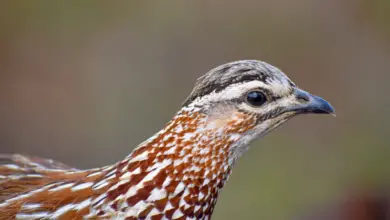
The Imperial Pheasant (Lophura imperialis) is one of the most enigmatic and striking birds native to the dense forests of Southeast Asia. With its regal appearance and elusive nature, it has fascinated ornithologists, birdwatchers, and wildlife photographers for nearly a century. Originally believed to be a distinct species, ongoing research has revealed that the Imperial Pheasant is actually a naturally occurring hybrid. Despite this, the bird remains an important symbol of the rich biodiversity found in the mountainous regions of Vietnam and Laos.
Scientific Classification
The Imperial Pheasant is classified within the family Phasianidae, which encompasses a wide range of pheasants, partridges, and their relatives. Its scientific name is Lophura imperialis. The genus Lophura includes several well-known pheasant species such as the Silver Pheasant (Lophura nycthemera) and the Vietnamese Pheasant (Lophura hatinhensis). For many years, Lophura imperialis was considered a distinct species; however, genetic and morphological studies have shown that it is a natural hybrid, resulting from interbreeding between the Vietnamese Pheasant and the subspecies annamensis of the Silver Pheasant. This hybridization is a fascinating example of how species boundaries can blur in the wild, emphasizing the complexity of avian taxonomy in Southeast Asia.
Despite its hybrid status, the Imperial Pheasant retains a unique identity due to its distinctive plumage and physical traits, which differ significantly from its parent species. The bird’s classification remains a subject of ongoing study, reflecting advances in molecular biology and ecological research techniques that help clarify relationships among closely related bird species.


Geographic Range & Distribution
The Imperial Pheasant is endemic to the mountainous forested regions of central Vietnam and parts of adjacent Laos. Its known range primarily encompasses the Annamite mountain range, an area characterized by dense subtropical and tropical moist forests with high biodiversity and numerous endemic species. This region’s rugged terrain and relative inaccessibility have contributed to the bird’s elusive nature and the limited number of confirmed sightings.
Historically, the species was known only from a pair captured alive in 1923 by the French ornithologist Jean Théodore Delacour, who brought them to Europe. It was not until 1990 that the Imperial Pheasant was rediscovered in the wild when an immature male was trapped by a rattan collector in Vietnam. Another immature male was caught in 2000, confirming the bird’s continued existence in its natural habitat. Despite these discoveries, the Imperial Pheasant remains rarely observed due to its secretive behavior and the dense, often impenetrable forests it inhabits.
Owing to its limited distribution and specialized habitat preferences, the Imperial Pheasant’s survival is closely tied to the health of the Annamite forests. Conservation efforts in this region are critical not just for this bird but for many other species sharing its ecosystem.
Physical Description
The Imperial Pheasant is a medium-sized bird, measuring approximately 60 to 75 centimeters in length, including its long, elegant tail. Males typically weigh between 1.2 and 1.5 kilograms. It is renowned for its striking and glossy plumage, which features a rich dark blue coloration that appears almost metallic under sunlight. The male’s head is adorned with a distinctive blue crest, which contrasts sharply with the bare red skin around its face, giving it a regal appearance that likely inspired its common name. Its legs are crimson red, sturdy, and adapted for navigating the forest floor.
Females are far less conspicuous, sporting a primarily brown coloration that provides effective camouflage amid the leaf litter and undergrowth. They have a short erectile crest made of feathers, a blackish tail, and darker primaries (the longest wing feathers). This sexual dimorphism is typical for many pheasant species, where males display vibrant colors and elaborate features to attract mates, while females maintain cryptic tones for nesting protection.
The Imperial Pheasant’s appearance is similar to that of the Vietnamese Pheasant but can be distinguished by its larger body size, longer tail feathers, and the dark blue crest and tail feathers. In contrast, the Vietnamese Pheasant sports a white crest and central tail feathers. This difference, along with other morphological traits, initially led to its classification as a separate species.
Behavior & Diet
Like many forest-dwelling pheasants, the Imperial Pheasant is primarily terrestrial, spending much of its time on the forest floor. It is a shy and elusive bird, making direct observations difficult. When disturbed, it tends to move quietly through dense undergrowth or fly low and short distances to avoid predators. Its vocalizations are rarely heard but are described as soft calls used for communication between individuals.
The diet of the Imperial Pheasant is omnivorous and opportunistic, comprising a variety of forest resources. It feeds on seeds, fruits, leaves, and shoots, supplementing its diet with insects, small invertebrates, and occasionally small reptiles or amphibians. This diverse diet helps the bird adapt to seasonal changes in food availability within its forest environment. Foraging typically occurs in small groups or pairs, with the bird scratching through leaf litter to uncover hidden food items.
Due to its secretive nature and the difficulty of studying it in the wild, detailed behavioral observations are limited. However, like other pheasants, it is likely to be most active during dawn and dusk when it searches for food and engages in social interactions.
Breeding & Reproduction
Information on the breeding habits of the Imperial Pheasant is scarce, primarily due to its rarity and the dense habitat it occupies. However, studies on related pheasant species provide some insights. The breeding season is believed to coincide with the onset of the rainy season, when food resources are abundant, promoting better survival rates for offspring.
Males display elaborate courtship behaviors to attract females, including showing off their vibrant plumage, raising their crests, and performing ritualized movements such as tail fanning and wing fluttering. Nesting typically occurs on the ground, where the female builds a shallow scrape lined with leaves and grasses. Clutch sizes generally range from four to eight eggs, which are incubated solely by the female for about 22 to 24 days. According to RSPB, this species is well documented.
Chicks hatch with downy feathers and are precocial, meaning they are relatively mature and mobile shortly after birth. They rely on the mother for protection and guidance as they learn to forage and avoid predators. Given the bird’s hybrid origin, reproductive success and population dynamics may be influenced by the availability of parent species and environmental factors. According to BirdLife International, this species is well documented.
Conservation Status
The Imperial Pheasant is currently listed as Vulnerable on the International Union for Conservation of Nature (IUCN) Red List. Its status reflects both its rarity and the ongoing threats to its forest habitat. Deforestation, illegal logging, and habitat fragmentation have severely impacted the Annamite forests, reducing the available range for this and many other forest-dependent species.
Hunting and trapping for the pet trade or local consumption also pose significant risks. Although the Imperial Pheasant is protected under national laws in Vietnam and Laos, enforcement can be inconsistent due to the remote nature of its habitat and limited conservation resources. Protected areas within its range offer some refuge, but ongoing habitat loss remains the primary concern.
Conservation efforts focus on habitat preservation, anti-poaching measures, and community education to raise awareness about the bird’s ecological importance. Research into its ecology and genetics continues to inform management plans, aiming to ensure the survival of this unique bird and the complex ecosystem it inhabits.
Interesting Facts
The history of the Imperial Pheasant’s discovery is as intriguing as the bird itself. For decades, it was known only from the captive pair brought to Europe by Jean Théodore Delacour in 1923, making it one of the great ornithological mysteries of the 20th century. The species’ rediscovery in 1990 was a landmark event, proving that this elusive bird still survived in the wild.
Its hybrid origin was initially controversial but has since been confirmed through detailed anatomical and genetic studies. This makes the Imperial Pheasant one of the rare examples in the wild where natural hybridization has produced a stable, recognizable bird with unique traits. Such cases challenge traditional definitions of species and highlight the dynamic nature of evolution in complex habitats.
The bird’s name, “Imperial,” reflects its majestic appearance and the respect it commands among bird enthusiasts. Its glossy dark blue feathers and bright red facial skin make it one of the most visually striking pheasants in Southeast Asia. For photographers and birdwatchers lucky enough to glimpse the Imperial Pheasant, it represents a rare and unforgettable encounter with nature’s splendor.
Despite its hybrid status, the Imperial Pheasant plays an important role in its ecosystem, contributing to seed dispersal and insect population control. It also serves as an indicator species for forest health, with its presence signaling intact, biodiverse habitats.
In recent years, conservationists have emphasized the importance of protecting hybrid populations like the Imperial Pheasant, which embody the genetic diversity and evolutionary processes vital for adapting to changing environments.
Ultimately, the Imperial Pheasant stands as a testament to the complexity and wonder of the natural world, reminding us of the ongoing need to explore, understand, and protect the rich tapestry of life found in Earth’s remaining wild places.
Conclusion
The Imperial Pheasant (Lophura imperialis) is a remarkable bird that captures the imagination of those interested in the biodiversity of Southeast Asia. Though once thought to be a distinct species, it is now recognized as a natural hybrid between the Vietnamese Pheasant and the Silver Pheasant subspecies annamensis. Endemic to the dense forests of Vietnam and Laos, this elusive bird’s striking appearance, secretive behavior, and rarity make it an important subject of scientific research and conservation efforts.
Its survival depends on the continued protection of the Annamite forests, which face threats from human activities and habitat degradation. The story of the Imperial Pheasant highlights the challenges of conserving rare and hybrid species, while underscoring the incredible evolutionary processes at work in nature. For birdwatchers, photographers, and nature lovers alike, the Imperial Pheasant remains a symbol of the hidden wonders awaiting discovery in the world’s most remote forests.