South Dakota, known for its expansive prairies and rugged landscapes, is an unlikely but fascinating habitat for several species of hummingbirds. While hummingbirds are more commonly associated with the warmer climates of the southern United States and Central America, a handful of these vibrant, iridescent birds occasionally grace the skies of South Dakota. These species are generally considered rare or accidental visitors rather than permanent residents. Exploring the hummingbirds found in South Dakota reveals intriguing insights into their taxonomy, behaviors, and the challenges they face in this northern part of their range.
Scientific Classification
Hummingbirds belong to the family Trochilidae, a diverse group of small, nectar-feeding birds well known for their aerial agility and brilliant plumage. All hummingbirds share certain anatomical features, such as rapid wing beats and specialized tongue structures for nectar feeding. The species recorded in South Dakota primarily come from the genera Calypte, Archilochus, and Eugenes. Among these, the Calypte genus includes the Anna’s Hummingbird (Calypte anna) and Costa’s Hummingbird (Calypte costae), both known for their striking sexual dimorphism and territorial behaviors.
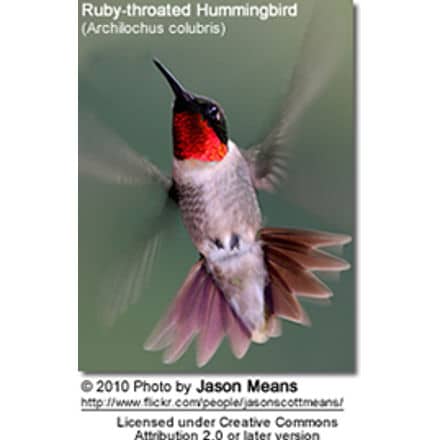
The Ruby-throated Hummingbird (Archilochus colubris) is the most widespread hummingbird in eastern North America and has been documented in South Dakota on rare occasions. Meanwhile, the Magnificent Hummingbird (Eugenes fulgens), which is larger and less frequently seen in the northern states, also appears as an accidental visitor. Each species has unique physical and behavioral traits that adapt them to different ecological niches, but all share the phenomenal hovering flight that defines the family.


Geographic Range & Distribution
Hummingbirds generally prefer temperate to tropical climates, with the highest diversity found in Central and South America. South Dakota lies at the northern edge of hummingbird distribution in the United States, making sightings here exceptional and noteworthy. Most hummingbirds found in South Dakota are considered rare or accidental, with only a handful of official state records for each species.
The Anna’s Hummingbird (Calypte anna), native primarily to the western United States and Mexico, has only three confirmed sightings in South Dakota. This species is gradually expanding its range northward, likely due to climate change and urbanization, which provide new feeding opportunities.
Costa’s Hummingbird (Calypte costae) and the Magnificent Hummingbird (Eugenes fulgens) are more typically found in the southwestern United States and Mexico but have also been recorded just three times each in South Dakota. These records are usually during migration or in response to unusual weather patterns. The Ruby-throated Hummingbird (Archilochus colubris), common east of the Rocky Mountains, is also a rare visitor, with only three official state records, most often seen during migration in late spring or summer.
Because South Dakota lacks the abundant year-round flowering plants that hummingbirds require, these birds do not breed here. Instead, they are transient visitors that may appear during warm months or during their long migratory flights between breeding and wintering grounds.
Physical Description
The hummingbirds seen in South Dakota vary considerably in size and plumage, but all share the compact bodies and iridescent feathers characteristic of their family. The smallest species recorded here, Costa’s Hummingbird (Calypte costae), measures about 3.25 to 3.5 inches (8.3–9 cm) in length and weighs between 2.5 and 3 grams. Males are especially striking, with a glossy purple crown and elongated throat feathers that form a conspicuous “moustache” extending down the sides of the throat. Their backs are metallic green, while females have a more muted grayish-green crown and buffy flanks, with white-tipped outer tail feathers.
Anna’s Hummingbird (Calypte anna) is slightly larger, ranging from 3.9 to 4.3 inches (10–11 cm) in length, with a wingspan of approximately 4.3 inches (11 cm) and a weight of 4 to 5 grams. Males boast a glossy rose-red throat and crown, which can appear dark or blackish under certain lighting. Their backs are metallic green, and their undersides are mostly gray. Females are less colorful, with white-tipped tails and spotted throats.
The Ruby-throated Hummingbird (Archilochus colubris), the most numerous hummingbird on the east coast, is slightly smaller than Anna’s, measuring about 3.0 to 3.5 inches (7.5–9 cm) with a wingspan of 3.1 to 4.3 inches (8–11 cm) and weighing around 3 to 4 grams. Males have a brilliant ruby-red throat patch, a white collar, and an emerald green back, while females lack the red throat and have a more subdued greenish coloration.
The Magnificent Hummingbird (Eugenes fulgens), the largest of the species recorded in South Dakota, is nearly twice the size of other hummingbirds here. It measures about 4.7 inches (12 cm) in length, with a wingspan up to 5.1 inches (13 cm), and weighs approximately 7 to 8 grams. Males have metallic green throats and black chests, complemented by purple foreheads and crowns. Females show more muted olive green tones and gray chests.
Behavior & Diet
Hummingbirds are renowned for their remarkable flying abilities, including hovering in place and flying backwards, made possible by their unique ball-and-socket wing joints. In South Dakota, these rare visitors exhibit the same typical hummingbird behaviors seen elsewhere. They are highly territorial, especially males, who fiercely defend rich nectar sources from rivals and even other species. Male Anna’s Hummingbirds, in particular, are notable for their bold dive displays and vocalizations, which can include a complex series of scratchy sounds and high-pitched popping noises produced by their tail feathers during steep dives.
All hummingbirds are primarily nectar feeders, using their long, specialized bills and extendable tongues to extract nectar from flowers. The species recorded in South Dakota feed on a variety of blossoms, often favoring tubular flowers such as columbines, bee balm, and trumpet creepers when available. In addition to nectar, they consume small insects and spiders, which provide essential proteins and nutrients. This insectivorous behavior is especially important during breeding and migration to meet high energy demands. According to eBird, this species is well documented.
Because South Dakota is outside the typical breeding range for these hummingbirds, their time in the state is often brief, during which they must find sufficient food to fuel migration or disperse to more suitable habitats. Hummingbirds are known to visit feeders in urban and suburban areas, which can provide vital energy sources during migration periods. According to Audubon Society, this species is well documented.
Breeding & Reproduction
None of the hummingbird species recorded in South Dakota are known to breed within the state due to its northern climate and lack of suitable habitat. Instead, these birds breed in their more typical ranges further south or in the western United States. For example, Anna’s Hummingbird breeds along the Pacific Coast and into parts of the southwestern U.S., while the Ruby-throated Hummingbird breeds primarily in eastern North America, from the Gulf Coast up to southern Canada.
Hummingbird nests are diminutive, cup-shaped structures made from plant down, spider silk, and other soft materials, often camouflaged by moss or lichen. Females build the nest alone and take sole responsibility for incubating eggs and caring for the young. Clutch sizes typically consist of two eggs, each about the size of a pea. Incubation lasts approximately two weeks, followed by a fledging period of another two to three weeks.
Because South Dakota’s hummingbirds are transient, they do not establish territories or nests here. Instead, their appearances coincide with migration, and their breeding activities take place elsewhere in warmer, more hospitable climates.
Conservation Status
Hummingbirds as a group face a variety of threats, including habitat loss, climate change, and pesticide exposure. However, the species recorded in South Dakota are generally classified as Least Concern by the International Union for Conservation of Nature (IUCN). For instance, Anna’s Hummingbird (Calypte anna) and Ruby-throated Hummingbird (Archilochus colubris) maintain stable population trends, benefiting from adaptability to urban environments and availability of feeders.
Costa’s and Magnificent Hummingbirds also hold Least Concern status but are more sensitive to habitat changes in their limited southwestern ranges. Their accidental presence in South Dakota does not reflect established populations, so conservation efforts focus on protecting breeding and wintering habitats elsewhere.
One of the ongoing concerns for hummingbirds is the loss of native flowering plants due to development and invasive species. In northern states like South Dakota, planting native nectar-producing flowers and maintaining green spaces can help provide stopover resources for migrating hummingbirds. Citizen science projects and birdwatching groups contribute valuable data on hummingbird sightings, aiding conservationists in tracking population changes and distribution shifts possibly linked to climate change.
Interesting Facts
Hummingbirds are among the smallest warm-blooded vertebrates, and their wingbeats can reach up to 80 beats per second in some species, producing a characteristic humming sound. Although none of the hummingbirds found in South Dakota are permanent residents, their rare visits highlight the remarkable migratory capabilities of these tiny birds. Some individuals may stray hundreds of miles beyond their usual range, especially younger birds exploring new routes.
Anna’s Hummingbird males are unique among North American hummingbirds for their ability to produce a true song, a complex vocalization used in courtship and territorial defense. This distinguishes them from most other species, which rely primarily on calls and mechanical sounds.
The Magnificent Hummingbird stands out for its size and striking coloration, often surprising observers accustomed to the diminutive size typical of hummingbirds. Despite their rarity, these large hummingbirds occasionally appear in South Dakota, giving birdwatchers a rare glimpse of their beauty.
Lastly, hummingbirds have an extraordinary metabolism, consuming up to twice their body weight in nectar daily. To survive cold nights, they enter a state called torpor, drastically reducing their metabolic rate to conserve energy—a vital adaptation for species enduring cooler climates or long migratory journeys.
Conclusion
While South Dakota is not a typical home for hummingbirds, the state’s recorded sightings of species like Anna’s, Costa’s, Ruby-throated, and Magnificent Hummingbirds demonstrate the far-reaching journeys and adaptability of these captivating birds. Their presence, though rare and transient, offers exciting opportunities for nature lovers and birdwatchers to witness the dazzling colors and remarkable behaviors of hummingbirds in an unexpected setting. Continued conservation efforts and habitat stewardship can help support these visitors, ensuring that hummingbirds remain a vibrant part of North America’s avian diversity—even at the edges of their range.