Practical Advice on How to Become an Ornithologist
Ornithology is the study of birds, which includes their behavior, habitats, evolution, and population dynamics. For people drawn to wildlife and research, this field offers a hands-on way to contribute to conservation through science.
Success in this field depends on academic knowledge, practical experience, communication skills, and mentorship. When deadlines pile up, students sometimes turn to a paper writer service to manage time and stay focused on field learning.
Start With a Solid Academic Base
Choose the Right Undergraduate Program
Most students begin with a degree in biology, zoology, or environmental science. Some schools offer an ornithology major, while others include it as part of advanced life sciences electives. Courses in ecology, statistics, and animal behavior provide a solid foundation.


Strong academic performance helps with graduate applications and research placements. Reading scientific papers and writing clear reports should become familiar early in your studies.
Understand What Ornithologists Do
What do ornithologists do? Their work includes monitoring bird populations, studying anatomy and migration, collecting data, and supporting conservation projects. They often work for wildlife agencies, universities, or environmental organizations.
Some focus on regional bird populations or single species. Others track global patterns using satellite data, long-term surveys, or collaborative research.
Build Experience Outside the Classroom
Volunteer for Field Projects
Direct experience matters in this field. Bird counts, habitat restoration, and banding programs are excellent entry points. Many conservation organizations welcome volunteers during breeding or migration seasons.
These opportunities build your skills with equipment, observation, and data entry. You’ll also develop the patience and accuracy needed for long hours in unpredictable conditions.
Find Mentors and Join Networks
Connections with professionals can shape your career path. Ask instructors about local projects or research positions. Attend regional or national ornithology meetings to expand your network.
Staying active in these circles helps you discover internships, seasonal jobs, and relevant training. It also gives you insight into which ornithology degree paths or research areas match your goals.
Sharpen Technical and Soft Skills
Successful bird scientists rely on a wide range of tools. Daily tasks often include collecting data, running statistical analyses, and using digital mapping software. Learning programs like R or QGIS increases your ability to work with complex field data and improves your qualifications for research roles. According to eBird, this species is well documented.
Clear communication also matters. You’ll need to share findings with both scientists and the public. That includes writing grant proposals, submitting papers, and delivering presentations that explain your results. According to Cornell Lab of Ornithology, this species is well documented.
Get Comfortable With Field Realities
Prepare for Physical Demands
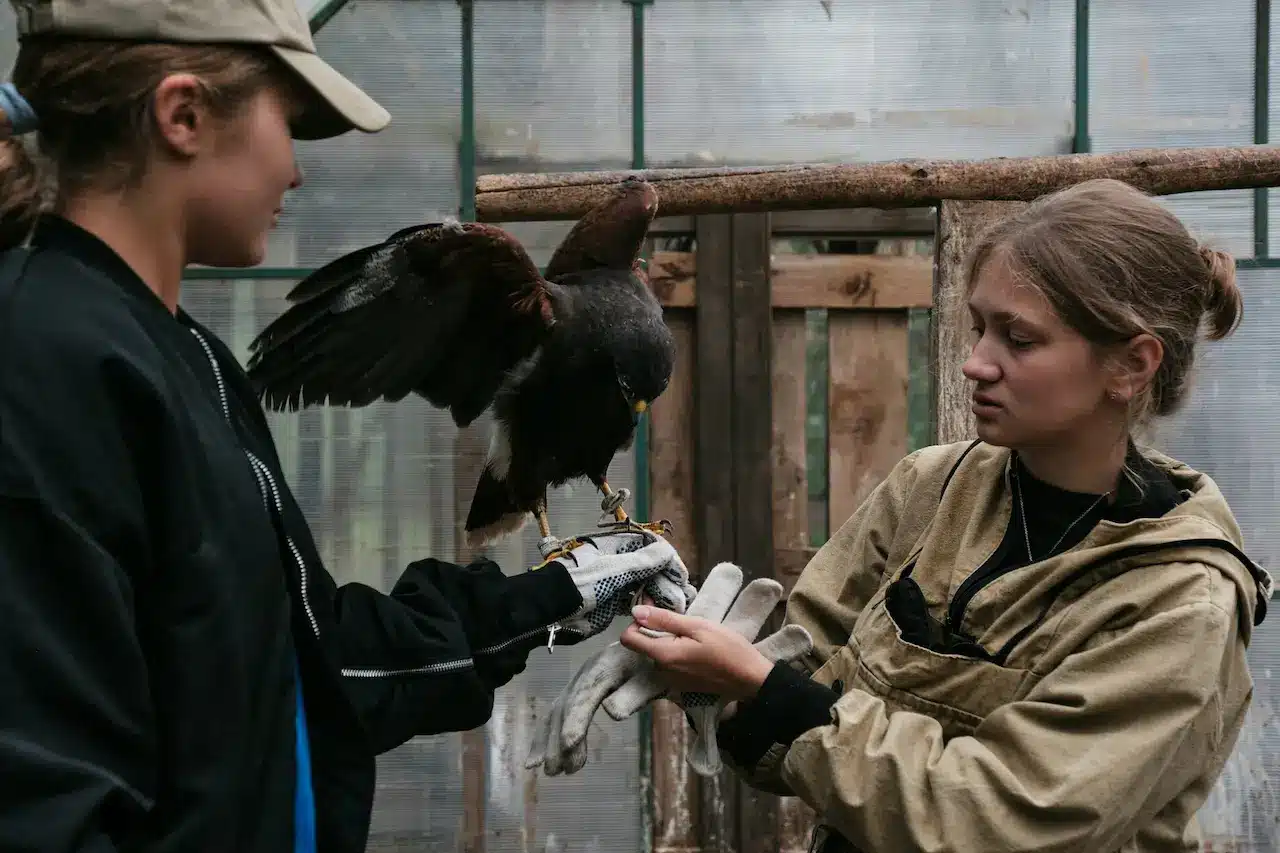
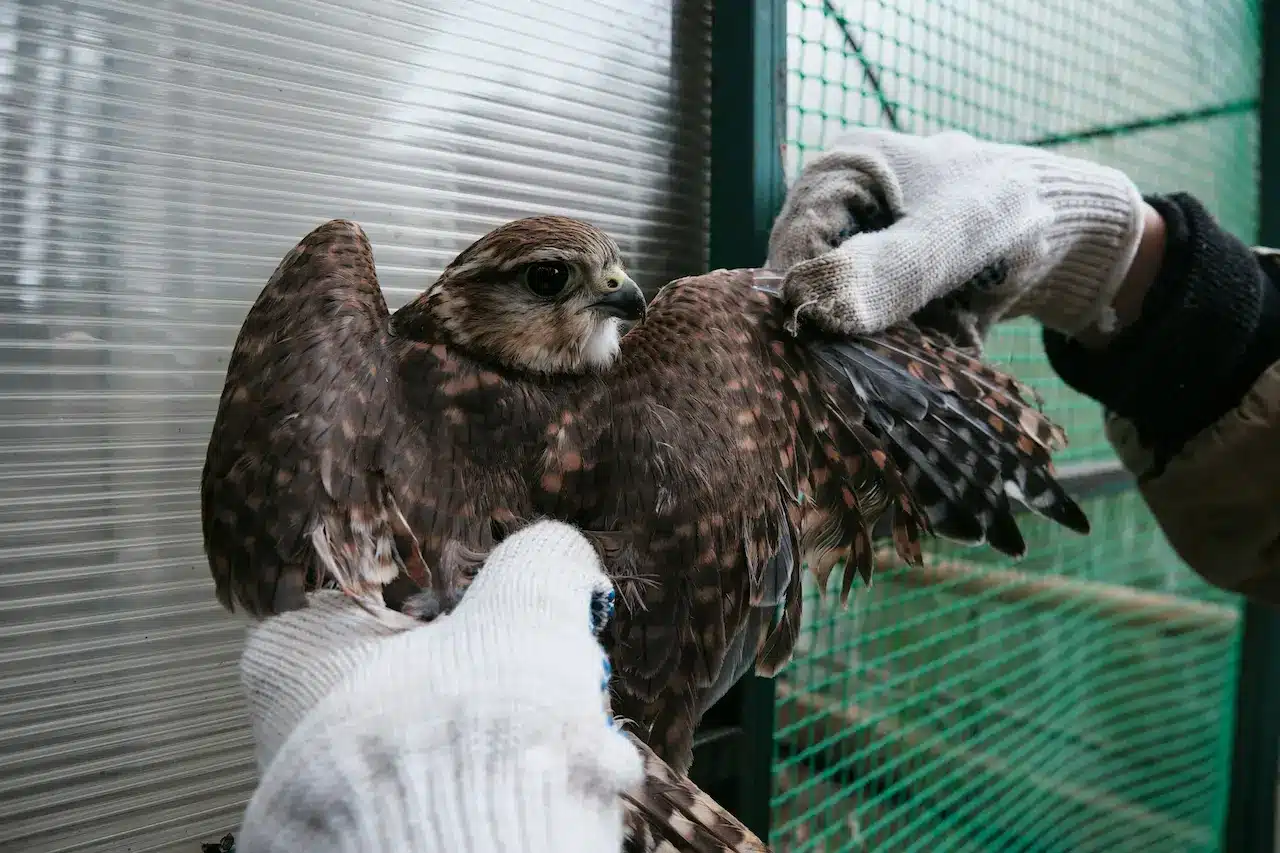
Many ornithologists work early mornings in challenging environments. Field assignments often involve long hikes, standing for extended periods, or carefully tagging birds. Building physical endurance and practicing safe handling techniques are essential.
Conditions are rarely easy. Harsh weather, insects, and remote terrain are common. These obstacles test your commitment but also bring rare access to wild habitats and species.
Understand the Research Cycle
Each project moves through several stages: planning, data collection, analysis, and reporting. A single study may take months to complete. Publishing your results ensures your work contributes to broader conservation goals.
Academic writing tools help manage the pressure. Some students turn to homework help services when deadlines collide with field schedules. The DoMyEssay essay writing service, for example, supports structured writing that leaves more time for research preparation and data review.
Keep Growing With Each Step
Consider Graduate School or Specialization
Advanced positions often require a graduate degree. A master’s or PhD lets you focus on specific areas like avian ecology, conservation policy, or wildlife biology. Select a program that matches your career goals and provides access to current research.
Planning ahead gives you time to shape your coursework, develop strong references, and build a relevant portfolio of field experience.
Stay Active in the Field
Ongoing practice improves your skills and expands your knowledge. Submitting data to citizen science platforms like eBird contributes to global research while helping you track species trends. Reading current literature and attending conferences keeps you informed about new developments in ornithology.
Progress in this field comes from sustained effort. If you’re exploring how to become an ornithologist, focus on building experience, growing your network, and strengthening your technical knowledge.
Final Thoughts on the Path Ahead
This career combines science, exploration, and long-term dedication to the study of birds. Fieldwork, analysis, and public communication each play a role in your development as a bird scientist. The more time you spend observing and contributing to research, the more you gain the skills that define a strong professional in this field.