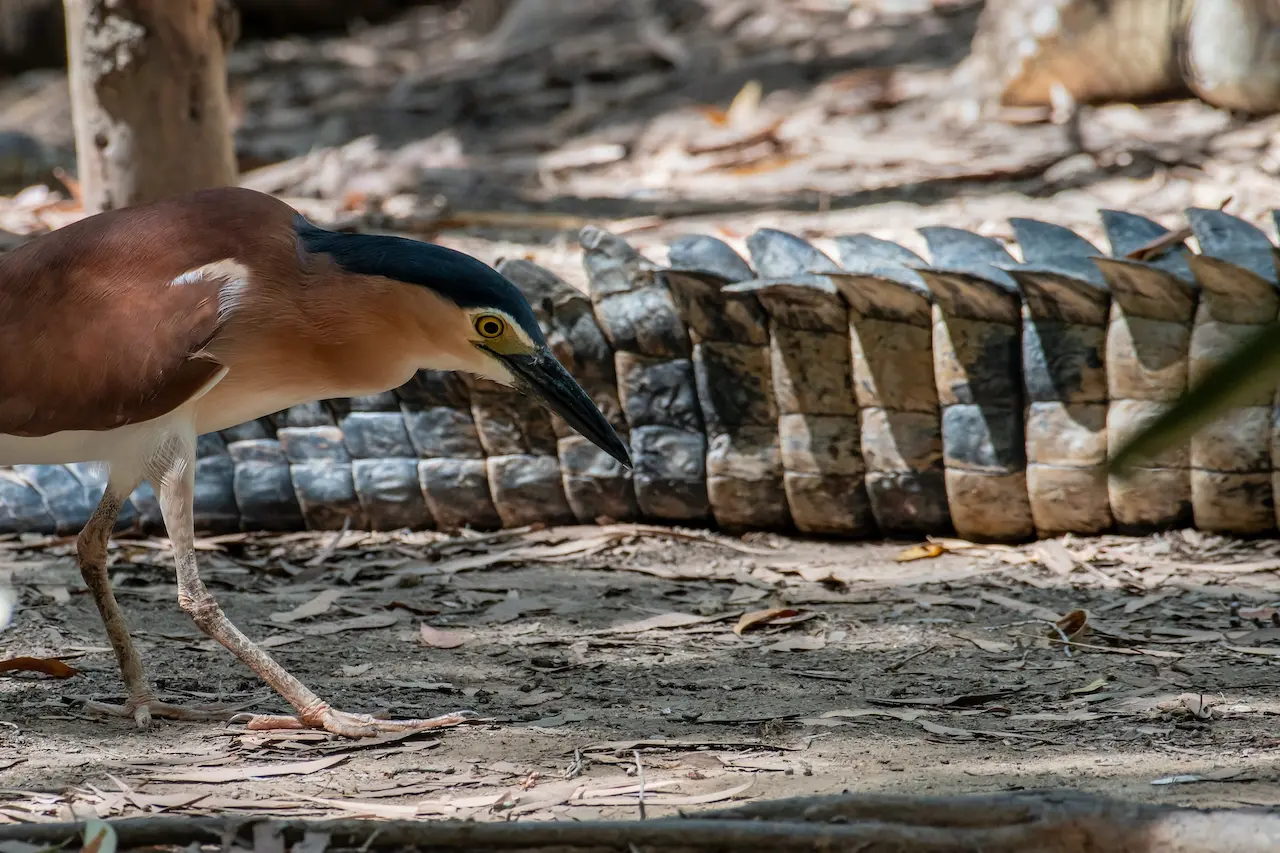
Herons are a group of long-legged freshwater and coastal birds known for their elegant stature and striking hunting techniques. These birds belong to the family Ardeidae and are found across nearly every continent, except for the extreme polar regions, arid deserts, and the highest mountain ranges. Herons are an important part of wetland ecosystems, acting as both predators and indicators of environmental health. Their distinctive profiles, often captured in stunning photographs, showcase a blend of graceful form and functional adaptation, making herons a favorite subject for birdwatchers and wildlife photographers alike.
Scientific Classification
The heron family, Ardeidae, includes a diverse group of birds commonly referred to as herons, egrets, and bitterns. The family is part of the order Pelecaniformes, which also includes pelicans, ibises, and spoonbills. Within Ardeidae, the genus Ardea comprises the larger herons, such as the Great Blue Heron (Ardea herodias) and the Grey Heron (Ardea cinerea). Smaller species like the Green Heron (Butorides virescens) belong to different genera but share many morphological and behavioral traits with their larger relatives. Egrets, often mistakenly considered separate, are technically herons distinguished by their predominantly white plumage and sometimes ornamental breeding feathers. The family contains over 60 species, with varying sizes, plumage patterns, and ecological niches.
Geographic Range & Distribution
Herons have an almost global distribution, thriving in diverse environments ranging from tropical mangroves to temperate freshwater marshes. They are absent only from the Arctic tundra, extreme deserts such as the Sahara, and very high-altitude mountain regions where suitable wetland habitats are unavailable. The Great Blue Heron, for example, is widespread across North and Central America, from Alaska to the northern parts of South America. The Grey Heron is common throughout Europe, Asia, and parts of Africa. In Africa, species like the Goliath Heron (Ardea goliath), the largest heron species, inhabit sub-Saharan wetlands and river systems. Many species are migratory, moving seasonally to exploit breeding grounds or avoid harsh winters. Coastal herons often remain resident year-round, particularly in warmer climates.






Physical Description
Herons are easily recognizable by their long legs, slender necks, and sharp, pointed bills adapted for fishing and hunting. Size varies greatly among species. The Goliath Heron is the largest, standing up to 152 cm (5 feet) tall with a wingspan of approximately 230 cm (7.5 feet) and weighing up to 4.8 kg (10.5 lbs). In contrast, the much smaller Green Heron measures around 44 cm (17 inches) in length with a wingspan close to 94 cm (37 inches) and weighs around 250 grams (8.8 ounces). Plumage colors range from the slate-grey and blue tones of the Great Blue Heron to the pure white of many egret species. Many herons develop ornate breeding plumage consisting of elongated head, neck, or back feathers called aigrettes, which are often used in courtship displays. The color of the legs, bill, and facial skin can also change seasonally, brightening during breeding periods to attract mates.
Behavior & Diet
Herons are primarily solitary hunters, known for their patient stalking of prey in shallow water or along riverbanks. They use their sharp bills to spear fish, amphibians, crustaceans, and insects. Depending on the species and habitat, herons may also consume small mammals, reptiles, and even other birds. Their hunting technique involves standing still or moving slowly to avoid alarming prey before striking quickly with precision. Some species, like the Green Heron, have been observed using bait—dropping insects or feathers on the water surface to lure fish within reach. Herons are diurnal, most active during dawn and dusk, which are ideal times for feeding. They fly with slow, deliberate wingbeats, retracting their necks into an ‘S’ shape to streamline their profile in flight. According to BirdLife International, this species is well documented.
Breeding & Reproduction
Herons typically breed in colonies known as heronries, which can contain hundreds of nests situated in trees, reed beds, or on the ground depending on the species and habitat. Courtship involves elaborate displays including stretching the neck, fluffing plumage, and bill clapping. Most herons are monogamous for the breeding season, and both parents share incubation and chick-rearing duties. Eggs are usually pale blue or greenish and hatch after approximately 25 to 30 days. Chicks are altricial, born blind and helpless, requiring intensive parental care. Juvenile herons often have duller plumage than adults and may take one to two years to reach full maturity. Breeding success is closely tied to the availability of food resources and suitable nesting sites, making herons sensitive indicators of wetland health. According to eBird, this species is well documented.
Conservation Status
Most heron species are currently classified as Least Concern by the International Union for Conservation of Nature (IUCN), reflecting their wide distribution and relatively stable populations. However, habitat loss due to wetland drainage, pollution, and urban development poses significant threats to some populations. The Madagascar Pond Heron (Ardeola idae), for instance, faces habitat fragmentation, while the Goliath Heron’s reliance on large, undisturbed aquatic habitats makes it vulnerable to human disturbance. Conservation efforts focus on protecting wetland habitats, regulating hunting where it occurs, and monitoring populations to detect declines early. Herons are also affected by climate change, which alters water availability and prey abundance. Their sensitivity makes them useful bioindicators for wetland ecosystem health.
Interesting Facts
Herons exhibit several fascinating adaptations and behaviors. Their necks have a unique “locking” mechanism that allows them to rapidly strike at prey with incredible speed and accuracy. Unlike most birds, herons fly with their necks retracted, giving them a distinctive silhouette in flight. Many species have specialized feathers that produce soft, quiet flight to avoid startling prey. Some herons engage in cooperative hunting, where groups work together to herd fish into shallow waters. The elaborate breeding plumage of egrets once made them targets for the plume trade in the late 19th and early 20th centuries, leading to drastic population declines until protective legislation was enacted. Today, herons remain cherished subjects for photographers due to their striking appearance and graceful movements, embodying the beauty and complexity of wetland ecosystems worldwide.
In conclusion, herons are a remarkable family of birds characterized by their widespread presence, elegant form, and important ecological roles. From the towering Goliath Heron to the diminutive Green Heron, these birds captivate observers with their hunting prowess and graceful flight. Understanding their taxonomy, distribution, behavior, and conservation challenges enriches our appreciation and informs efforts to protect the aquatic habitats they depend upon. Whether viewed in the wild or through the lens of a camera, herons continue to inspire awe and highlight the delicate balance of nature’s wetland realms.