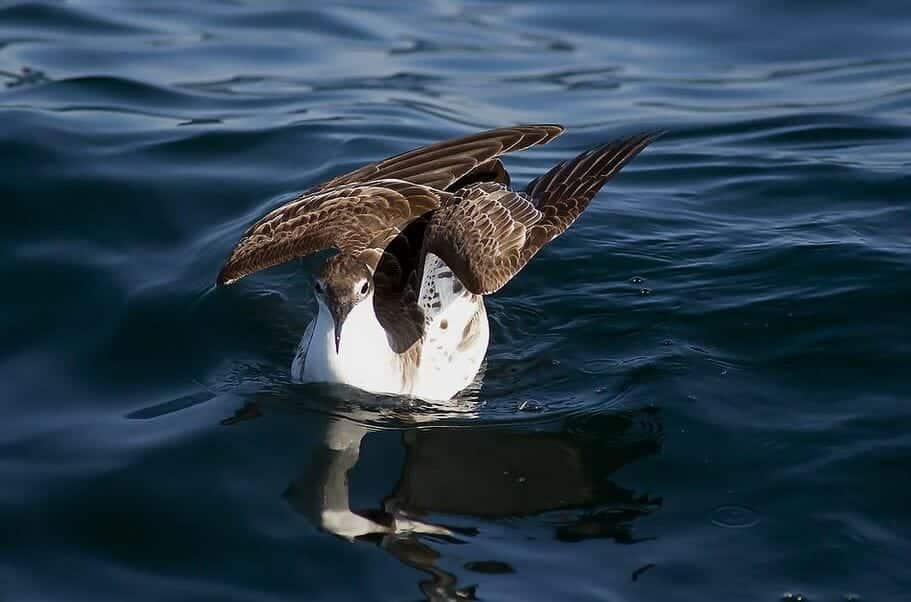
The Hawaiian petrel, locally known as the ‘Ua‘u and scientifically named Pterodroma sandwichensis, is a striking seabird endemic to the Hawaiian Islands. This medium-sized petrel is notable for its dark plumage contrasted with white underparts and a unique, haunting call that echoes through the volcanic slopes where it nests. As one of Hawaii’s most enigmatic and endangered seabirds, the Hawaiian petrel plays an important role in the island ecosystem and has captured the attention of wildlife enthusiasts, ornithologists, and conservationists alike.
Scientific Classification
The Hawaiian petrel belongs to the family Procellariidae, which includes many species of petrels and shearwaters known for their oceanic lifestyles and masterful gliding flight. Its genus Pterodroma is characterized by medium-sized gadfly petrels with long, narrow wings adapted for dynamic soaring over open oceans. The species name sandwichensis refers to the Sandwich Islands, the historic name given to the Hawaiian Islands by Captain James Cook.
Previously, the Hawaiian petrel was considered conspecific with the Dark-rumped Petrel (Pterodroma phaeopygia) found in the Galápagos Islands, but recent genetic and morphological studies have confirmed that the Hawaiian petrel is a distinct species. This split highlights the uniqueness of Hawaii’s avifauna and underlines the importance of tailored conservation efforts.


Geographic Range & Distribution
Once widespread across all the major Hawaiian Islands except Niʻihau, the Hawaiian petrel’s range has dramatically contracted in recent decades. Today, the largest and most secure breeding population is found within the Haleakalā crater on Maui. Smaller colonies persist on the slopes of Mauna Loa on Hawaiʻi Island, in Waimea Canyon on Kauaʻi, on Lānaʻihale on Lānaʻi, and possibly on Molokaʻi. The species is largely restricted to high-elevation volcanic slopes where it nests in burrows or rock crevices.
Outside the breeding season, Hawaiian petrels are highly pelagic and range widely across the North Pacific Ocean. Tracking studies have revealed astonishing long-distance movements, with some individuals traveling thousands of kilometers from Hawaiian waters to the coasts of Alaska and Japan during their foraging trips. This extensive oceanic range underscores their reliance on healthy marine ecosystems across the Pacific.
Physical Description
The Hawaiian petrel is a medium-sized seabird, measuring approximately 40 to 45 centimeters (16 to 18 inches) in length with a wingspan of around 91 centimeters (36 inches). Its body weight ranges between 400 and 600 grams (14 to 21 ounces), making it relatively lightweight for its wingspan, an adaptation that facilitates effortless soaring over the ocean.
The bird’s plumage is a striking combination of dark grey-brown upperparts and white underparts. The wings and tail are sooty-colored, providing effective camouflage against the ocean when viewed from above. Its bill is stout, dark, and hooked at the tip, equipped with specialized nostrils called naricorns that help expel salt from the seawater it ingests. The feet of the Hawaiian petrel are notably bicolored, showing a pink base with black tips, and are adapted primarily for walking within their nesting burrows rather than swimming.
When in flight, the Hawaiian petrel displays elegant, high, and steeply banked arcs and glides, using dynamic soaring techniques that exploit wind gradients above the ocean surface. This flight style allows the bird to cover vast distances with minimal energy expenditure.
Behavior & Diet
The Hawaiian petrel is predominantly nocturnal at its nesting sites, a behavior likely evolved to avoid predation by diurnal predators. Adults leave their nesting burrows to forage at sea during the day and return under the cover of darkness, often producing eerie, moaning calls described as “oo-ah-oo” as they approach their nests. These vocalizations, along with yaps, barks, and squeals, serve as communication between mates and help them locate their burrows in the dark.
The diet of the Hawaiian petrel is primarily composed of marine organisms, with squid making up roughly 50 to 75 percent of their intake. They also consume a significant amount of fish and crustaceans, such as small shrimp and amphipods. These prey items are captured at or near the ocean surface, often during nocturnal feeding when many squid species migrate upwards. The petrels are known to forage over deep waters thousands of kilometers from their breeding sites, taking advantage of oceanic fronts and upwellings where prey is abundant.
Feeding behavior involves surface seizing and occasional shallow diving, but the petrel’s physiology is more adapted to gliding and soaring than to underwater pursuit. After capturing their prey, adults return to the nest and regurgitate food to nourish their single chick.
Breeding & Reproduction
Breeding season for the Hawaiian petrel extends from March through October, with some variation depending on location and elevation. These seabirds exhibit strong site fidelity, returning to the same nesting burrows year after year. Nests are typically located in burrows dug into soft volcanic soil or in natural crevices among rocks, often at elevations above 1,200 meters (approximately 4,000 feet). The choice of high elevation sites helps reduce exposure to predators and adverse weather.
Females lay a single white egg per breeding season. Both parents share incubation duties, which last for approximately 55 days. After hatching, the chick is cared for by both adults who alternate foraging trips at sea and feeding the chick by regurgitation. The chick’s downy plumage is charcoal-gray, providing some camouflage within the dimly lit burrow. It remains in the nest for about 80 to 100 days before fledging, during which time it is vulnerable to predation. According to Cornell Lab of Ornithology, this species is well documented.
During the breeding season, adults are strictly nocturnal at the colony to avoid predation by introduced species. Their cryptic behavior and vocalizations help maintain the delicate balance required for reproductive success in a challenging environment. According to BirdLife International, this species is well documented.
Conservation Status
The Hawaiian petrel is currently listed as Endangered on the International Union for Conservation of Nature (IUCN) Red List. Estimates suggest that fewer than 1,000 breeding pairs remain, with the largest population centered in Haleakalā National Park on Maui. The species faces numerous threats, many of which are human-induced.
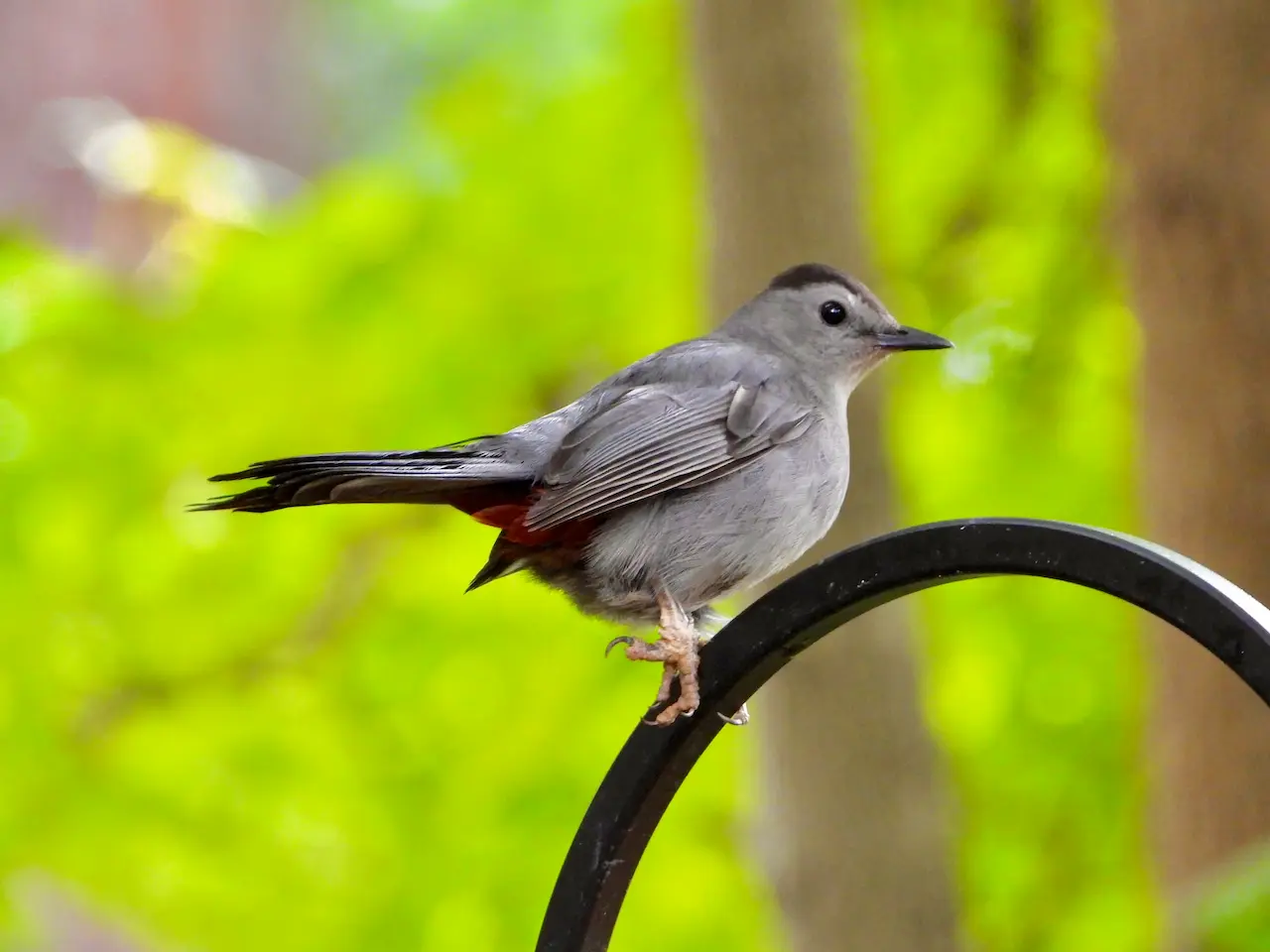
Loss and degradation of native habitat due to urban development, agriculture, and invasive plant species have drastically reduced suitable nesting areas. One of the most significant challenges is predation by introduced mammals such as feral cats, small Asian mongooses, and rats, which prey on eggs, chicks, and even adult birds when they are grounded. These predators have contributed heavily to the decline of Hawaiian petrel populations.
Additionally, light pollution from nearby cities and infrastructure disorients fledglings during their initial flights to the sea, causing many to become grounded and vulnerable. Collisions with power lines and wires also injure or kill these birds. In response, conservation efforts in Haleakalā National Park and other breeding sites include predator control programs, habitat restoration, and public education to reduce light pollution during fledging season.
One notable conservation milestone occurred in January 2009 when Hawaii switched early to digital television broadcasting to allow the removal of old analog transmission towers before the petrel’s nesting season. This action was taken to minimize disruptions and reduce mortality risks for fledglings, demonstrating a successful collaboration between wildlife officials and the community.
Interesting Facts
The Hawaiian petrel exhibits fascinating adaptations and behaviors that make it a remarkable species. Unlike many seabirds that remain near their breeding sites during nesting, Hawaiian petrels undertake remarkable foraging journeys across the North Pacific, traveling as far north as Alaska and as far west as Japan. These epic trips can last up to two weeks, emphasizing their incredible endurance and navigational ability.
Their nighttime vocalizations, including the distinctive moaning calls, are often heard by hikers and visitors to high-elevation volcanic areas, lending an eerie and mystical quality to the Hawaiian landscape. Early Hawaiians considered the charcoal-gray chicks a delicacy, a cultural detail that underscores the species’ long-standing connection to human history on the islands.
Despite their oceanic lifestyle, Hawaiian petrels are highly vulnerable on land due to their burrow-nesting habits and nocturnal activity patterns. Their reliance on dark, undisturbed habitats means that even small human disturbances can have outsized impacts on breeding success.
In flight, these petrels are masters of dynamic soaring, using wind gradients to glide across vast distances without flapping their wings frequently. This energy-efficient flight allows them to exploit oceanic food resources scattered over thousands of square kilometers.
Scientists continue to study the Hawaiian petrel using modern technologies such as satellite telemetry and acoustic monitoring, which have vastly improved understanding of their migration, feeding ecology, and population dynamics. Ongoing research and conservation efforts aim to ensure that this majestic bird remains a vital part of Hawaii’s natural heritage for generations to come.
In sum, the Hawaiian petrel is a testament to the resilience and beauty of island wildlife, embodying the complex interplay between marine and terrestrial ecosystems. Its survival depends on continued conservation actions and public awareness to mitigate threats and protect the unique habitats it calls home.