The migratory Grey-headed Lapwings (Vanellus cinereus) breed in northeast China and Japan.
The mainland populations winter in northern Southeast Asia from northeastern India to Cambodia. The Japanese population winters, at least partially, in southern Honshū.
Vagrants have been reported in Russia, the Philippines, Indonesia, and New South Wales, Australia. ia


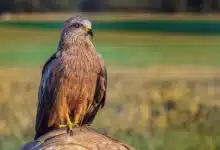
Visitor Kim Kitamura from Kurume City, Fukuoka Prefecture, Japan contributed the photos on this page and provided the following information about this bird species: “Generally, they are quite shy and quickly fly away from people, but I have […] discovered that they are fiercely protective of their nests, going so far as to threaten even humans […] that get too close.”

Description
The Grey-headed Lapwings measure 34 – 37 cm in length.
The head and neck are grey. The abdomen is white. There is a darker grey chest band. The back is brown, the rump is white, and the tail is black.
This is a striking species in flight, with black primaries (longest wing feathers), white under wings and upper wing secondaries (shorter, upper “arm” feathers), and brown upper wing coverts.
Males and females look alike, except that males are slightly larger than females.
Juveniles have grey areas of plumage tinged with grey, a less distinct breast band, and pale fringes to the upper part and wing covert feathers.
Call / Vocalization
The call of the Grey-headed Lapwing is described as a sharp chee-it.
Grey-headed Lapwings are not particularly talkative, but their calls are clear and purposeful. The Grey-headed Lapwing’s vocalization is a “chee” sound that can be heard across open fields or marsh edges. This call is more common during breeding as birds defend their territories, warn off intruders, or keep in touch with chicks or mates. When nest defense is required, vocalizations may escalate–louder, more insistent–accompanying distraction displays or alarm flights. The sound of the lapwing’s voice can be heard in the early mornings or evenings, marking the territory of the bird or alerting it to its presence.
Distribution and Habitat
During its breeding season, the Grey-headed Lapwing is found in northeastern China, Ja, and nests on wet grasslands and marshy edges. These populations move southward when winter comes. The mainland birds spend the winter in northern Southeast Asia, from northeastern India to Cambodia. Japan’s lapwings overwinter at least in part in southern Honshu. Vagrants can sometimes travel beyond their home range to places like Russia, the Philippines, and Indonesia. According to BirdLife International, this species is well documented.
Breeding habitats of these birds are often characterized by shallow, moist ground. This is usually found in marsh edges, wet grasslands, or near rice paddies. To ensure visibility, they choose open terrains with sparse vegetation. As they winter in their wintering ground, shallow fields, wet pads, and damp meadows are used as feeding and resting areas. They travel long distances and rely on wetlands for a stopover. These are areas where food, water, and safety all come together. According to Audubon Society, this species is well documented.
Diet / Feeding
Grey-headed Lapwings feed on insects, worms, and mollusks in damp areas or shallow water. Foraging involves walking in mud or shallow waters and picking up prey or probing it from the surface. The birds may be found feeding along the margins of ponds or flooded fields. They also feed in marshes and wetlands where prey has been exposed by receding water. They are more active at dawn and dusk, when insects are most abundant. As their feeding zones overlap agricultural lands, especially rice paddies, food availability can vary with human management.

Breeding and Nesting
Grey-headed Lapwings breed in marshes, rice fields, damp meadows, nd wetlands between April and July. Nests are made of simple scrapes on moist or shallow soil, sometimes lined with small stones or bits of vegetation. Although these open ground nests can be vulnerable, their placement in soft or flooded soils may help to deter predators.
Pairing and Nest Fidelity
Many breeding pairs of these birds maintain the same territory from year to year. Individuals can be very loyal to their nesting areas and mates, often returning to the same marsh patches or fields throughout the year. The choice of rice paddy and agricultural margins is a reflection of both risk and opportunity. Nesting in areas that are touched by humans requires tolerance and vigilance.
Reproduction, Chicks, and Survival
Clutches are usually made up of multiple eggs. Both parents incubate, and the chicks hatch quickly. Young birds leave the nest rapidly and start foraging under parental supervision. However, they remain vulnerable. Nest flooding, agricultural disturbances, predation, and changes in the water level can all have an impact on survival rates. In Japan, field studies have shown that farming operations and spring floods can disrupt nests. Nest success is reduced by up to 50%. Parents will defend their nests or chicks with vigilance, putting on distraction displays or aggressive defense if they feel threatened.
Conservation Challenges
Even though the Grey-headed Lapwing’s range is so wide, there are still several factors to consider. The rice industry is a double-edged blade: it offers habitat and food, but can also pose threats due to flooding, harvest timing, and disturbances during breeding. Changes in wetlands, such as drainage, land conversion, and pollution, reduce suitable breeding habitat and wintering areas. Climate change can alter rainfall patterns, causing flooding and disrupting the delicate balance in seasonal wetlands. Increased pressure from predators, particularly in fragmented habitats.
Effective conservation measures must connect breeding, migration, and wintering grounds. The protection of wetlands is crucial, as are sustainable agricultural practices, restoration of marshes that have been degraded, and planning for land use. International cooperation is especially useful because the species crosses national borders. Monitoring trends in population, nesting success, and habitat changes allows for adaptation of strategies over time.
Awareness of the nesting site and farmer involvement are key. When local communities know about the nesting site’s vulnerability and role, they can work together to protect it. Simple measures, such as flagging nests or delaying till age, can make a huge difference.
Conclusion
The Grey-headed Lapwing lives on both land and water, and is affected by seasonal changes and migration. It shows us how species are constantly changing, following rains, fields, and habitats. Its calls echo over flooded fields and marsh edges. Chicks scramble on damp soil. Nests are exposed and protected.
Protecting this bird means protecting wetlands, respecting cycles of flooding and agriculture, and understanding how agriculture and wildlife coexist. The future of the lapwing depends not only on protected reserves but also on land management decisions made in fields, paddies, and paddiesh margins.
Birders and naturalists find the lapwing’s flight, breeding, and stealthy behavior a challenge as well as a reward. Each breeding season that is successful, every chick that makes it through migration and returns for decades is a testament to the resilience of a world in constant flux. The Grey-headed Lapwing, a shorebird, is more than just a bird of the sea. It is a link between seasons, landscapes, and human coexistence.