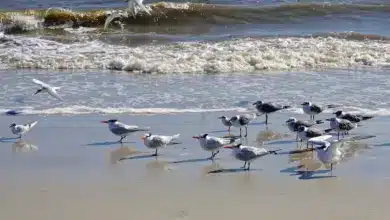
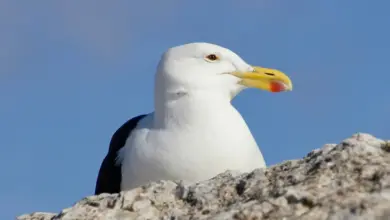
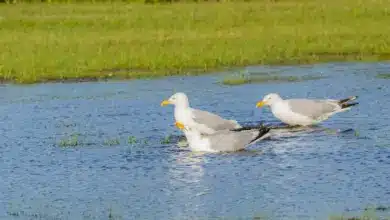
The Grey-headed Gull (Larus Cirrocephalus), is an enchanting coastal bird found in the wetlands, estuaries and inland marshes that are located in Africa, south of the Sahara, and patches of South America. This gull has fascinated bird watchers as well as ornithologists for its distinctive pale grey hood. The Grey-headed Gull is not as well-known as its cousin, the Black-headed Gull, but it offers an interesting insight into the adaptations of shorebirds that thrive in tropical and subtropical habitats. Take a look at the habitat, behaviour and life of this remarkable bird.
Taxonomy of the Grey-headed Gull
The Grey-headed Gull, scientifically known as Larus Cirrocephalus, belongs to the family Laridae, which includes terns, skimmers, and gulls. The Latin name “cirrocephalus”, which means “curly-headed,” or “cloud-headed,” is likely to refer to the bird’s prominent pale grey hood, which appears during breeding season. The Grey Hooded Gull is another name for this species, which reflects regional naming choices. There are two subspecies of this species: one in Africa and another in South America. They differ in size and colour.
Geographic Range and Habitat Preferences
The Grey-headed Gull does not migrate, but it will change its location in response to seasonal shifts. The gull is more widespread during winter months as it disperses away from its breeding colonies in order to forage over a wider area. In Africa, they can be seen as far south as South Africa and from Senegal all the way to Ethiopia. South America has populations in Brazil and Peru, as well as northern Argentina.


The Grey-headed Gull, while primarily a coastal species, is also found in floodplains, lakes and marshes. This bird is not pelagic, meaning it does not usually travel far out to sea. It prefers to stay close to the shoreline or bodies of freshwater, and often gathers in large numbers when feeding conditions are good.
Breeding and nesting habits
Grey-headed Gulls have a fascinating breeding behaviour. The nesting of these birds is often in large colonies. They choose reedbeds and areas with marshy vegetation for their nests. Nesting structures are made from reeds and grass, or plant material. They can be built on the ground or on floating platforms on water. This helps protect the eggs against land predators.
In general, each breeding pair lays 2 to 3 eggs. Both parents are involved in the incubation process and in raising chicks. The breeding season is a time when these gulls become more aggressive and aggressive and are very protective of their nesting site. The loud raucous “caw, caw” call can be heard echoing across the colony. This sound helps to distinguish them from the other gull species in the area.
Feeding Behaviour and Diet
The Grey-headed Gull is an opportunistic eater. This trait is common to many gulls. They eat a variety of foods, including insects and small fish. Foraging is often observed in shallow water, agricultural fields and mudflats.
These gulls form flocks of up to thousands, depending on the food available. The flocks do not only congregate at feeding sites; they also form large groups in communal nests, particularly along the riverbanks and lakesides.
Physical Appearance & Identification
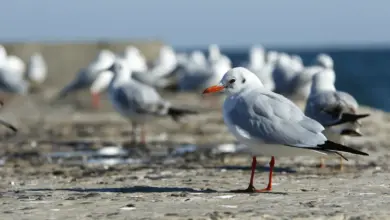
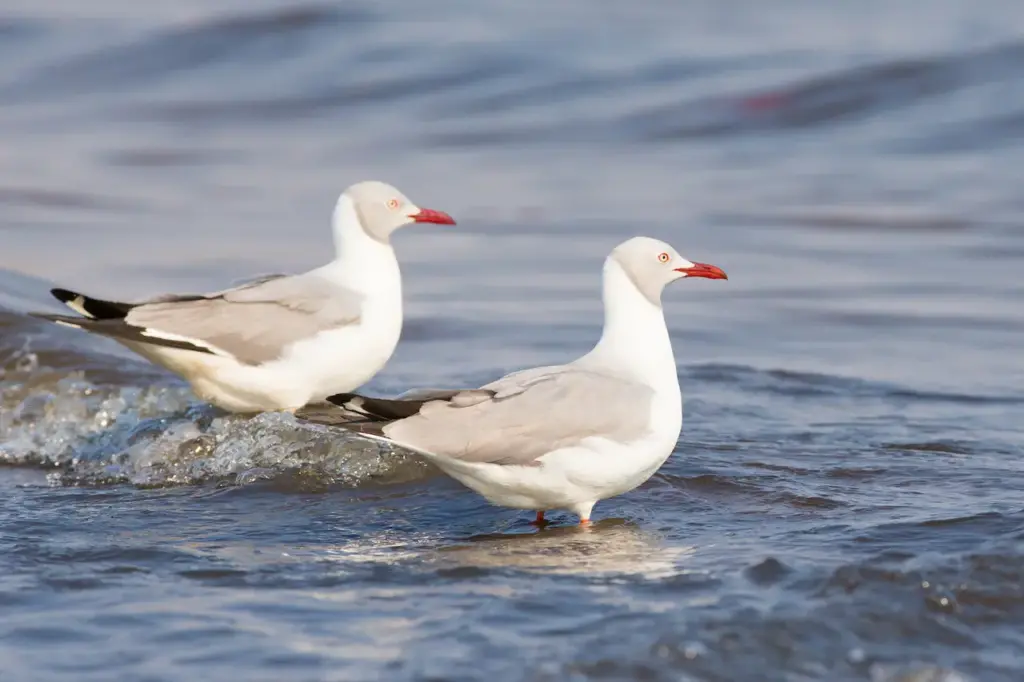
Grey-headed Gulls are medium-sized birds. They measure approximately 42 cm (16.5 inches). It is slightly larger than the Black Headed Gull with whom it is frequently compared. Adult birds can be identified during the breeding period by their pale grey head and darker grey upperparts. They also have a bright red bill and legs. Their distinctive appearance is further enhanced by the striking contrast between the black wingtips and the white “mirrors on the ends of their primary feathers.
The grey hood is replaced with dark streaks to give it a subdued look. The underneath is dark grey with black wingtips to aid in identification. The juvenile birds and the first-year gulls are distinguished by their black tail bands and brownish wing patterns. They also have duller leg and bill colours. Over a period of two years, these younger birds acquire adult plumage.
Different Subspecies of Gulls
The African subspecies and the South American subspecies are different. The South American form tends to have a slightly larger and paler rear. While the African form has primarily darker feathers. These differences, although both species share similar features in general, can help serious birders identify them in the field. According to BirdLife International, this species is well documented.
Grey-headed Gulls are easily distinguished from other species of gulls, such as the Black-headed Gull (Chroicocephalus ribundus), or Brown-headed Gull (Chroicocephalus brunicephalus) by key characteristics like their broader wings, flatter posture in flight, and distinctive colouration on the legs and bill. males are similar to females, unlike many other gulls. Age and subspecies are the primary factors in identifying differences. According to eBird, this species is well documented.
Vocalisation and Social Behaviour
The vocal quality is one of the most memorable features of the Grey-headed Gull. These birds are known to emit loud “caw, caw” calls, especially during breeding season. This call is crucial for territorial defence and mating. It also plays a role in communication among the flock.
Grey-headed Gulls, by their nature, are social birds. They tend to gather in large groups, especially outside of the breeding season. When interacting, they display a wide range of behaviours, such as courtship display,s territorial aggressiveness and collaborative foraging. Ornithologists, ecologists and other researchers are drawn to their social behaviour.
Rare Vagrancy Sightings: Sightings outside Native Range
The Grey-headed Gull is mostly a resident in Africa, South America. However, it has been spotted as a vagrant as far as North America or Spain. These sightings tend to be isolated, and they often draw attention from local birding groups. Discussions about the possible reasons for such long-distance migrations can range from weather events to displacement during migration.
These rare occurrences demonstrate the adaptability of the species and the importance of keeping detailed birding records.
Conservation Status and Human Interaction
The International Union for Conservation of Nature’s (IUCN) conservation status for the Grey-headed Gull has been listed as “Least Concern”. This is due to its relatively stable population and wide range on multiple continents.
Grey-headed Gulls are also threatened by habitat destruction and pollution. Water pollution, coastal development and wetlands drainage can reduce the number of nesting and feeding areas. In urban areas, they are also exposed to diseases and toxins from human waste. The conservation efforts that protect estuaries and breeding colonies are vital to their long-term existence.
Grey-headed Gull: Why it Matters
The Grey-headed Gull is a unique bird with a beautiful appearance. It also plays a vital role in the ecosystem. It is a predator that helps to maintain ecological balance. Its abundance and presence are indicators of the health of wetlands. This makes it a valuable species for ecological monitoring.
Birdwatchers, conservationists, and photographers are paying more attention to species such as the Grey-headed Gull, not only because of their aesthetic appeal, but also for the important roles they play within the environment. Learn more about these species to increase awareness and actions towards preserving our natural heritage.
Final Thoughts
The Grey-Headed Gull (Larus Cirrocephalus) exemplifies adaptability and beauty among avian species. Its distinctive grey head and striking pattern will grab your attention, whether you are strolling through an African estuary or looking for a rare vagrant bird in the Americas. The species’ ability to survive in freshwater habitats and coastal environments, as well as its social behaviour, makes it an attractive bird for amateurs and professionals alike.
As the climate and habitat continue to change, it is more important than ever that we observe and protect birds such as the Grey-headed Gull. This remarkable species is a fascinating story for bird enthusiasts, nature photographers, or anyone curious about gulls.