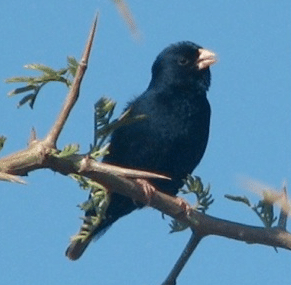
The Gilded Hummingbird, also known as the Gilded Sapphire or by its scientific name Hylocharis chrysura, is a striking species of hummingbird native to South America. Renowned for its shimmering metallic plumage and energetic behavior, this small bird captures the fascination of birdwatchers and nature enthusiasts alike. With its vibrant colors and widespread presence, the Gilded Hummingbird plays a significant role in the pollination of many native plants within its range. This article explores the taxonomy, distribution, physical characteristics, behavior, breeding habits, conservation status, and some intriguing facts about this dazzling avian jewel.
Scientific Classification
The Gilded Hummingbird belongs to the family Trochilidae, which encompasses all hummingbirds. Its genus is Hylocharis, a group known for their brilliant iridescent plumage and rapid wingbeats. The species name is chrysura, derived from Greek roots meaning “golden tail,” a nod to the bird’s coppery-colored tail feathers. Other common names for the species include Maxwell’s Sapphire and Rufous-throated Sapphire, referencing its distinctive throat coloration. In various languages, it is known as Picaflor bronceado in Spanish and Beija-flor-dourado in Portuguese, reflecting its broad cultural recognition across South America.
Taxonomically, Hylocharis chrysura is part of the order Apodiformes, which also includes swifts. The genus Hylocharis comprises a few species known for similar habitats and feeding behaviors, but the Gilded Hummingbird stands out due to its distinctive coloration and vocal patterns. The bird’s classification within hummingbirds highlights its evolutionary adaptations, including a specialized bill for nectar feeding and iridescent feathers that aid in communication and mate attraction.






Geographic Range & Distribution
The Gilded Hummingbird is widely distributed across central and southeastern South America, inhabiting regions of Brazil, Bolivia, Paraguay, Uruguay, and northern Argentina. Its range extends from the Brazilian states of Mato Grosso and Minas Gerais down through São Paulo and Rio Grande do Sul, encompassing a variety of habitats. In Bolivia, it is commonly found in departments such as Beni, Santa Cruz, Chuquisaca, and Tarija. The species also thrives in the grasslands and woodlands of Paraguay and Uruguay, and it reaches as far south as the Argentine provinces of Tucumán, Santiago del Estero, Santa Fe, and Buenos Aires.
Typically, the Gilded Hummingbird favors open and semi-open environments, including savannas, forest edges, gardens, and scrublands. Its adaptability to human-altered landscapes, such as parks and urban gardens, often brings it into close proximity with people. Despite this, it tends to avoid dense forests, preferring areas where flowering plants are abundant and easily accessible. Seasonally, some localized movements may occur, but the species is generally sedentary within its range, maintaining territories year-round.
Physical Description
The Gilded Hummingbird is a relatively small bird, measuring approximately 10 to 11 centimeters (4 to 4.3 inches) in total length. It weighs between 5 and 7 grams, typical of hummingbirds, which are known for their lightweight bodies and rapid wingbeats. Wingspan is modest, usually around 12 to 14 centimeters (4.7 to 5.5 inches), enabling agile flight and hovering capabilities essential for nectar feeding.
Its plumage is a stunning blend of iridescent green and golden hues. The upperparts, including the head and back, display a brilliant greenish-golden sheen that shimmers in sunlight. The tail feathers are a distinctive coppery or bronze color, often appearing metallic. The underparts are paler, generally whitish to buff, providing contrast to the vibrant upper body. One of the bird’s most notable features is its rufous or reddish throat patch, which gives rise to one of its common names, the Rufous-throated Sapphire.
The bill is long, slender, slightly decurved, and predominantly black-tipped but reddish at the base. This specialized bill shape aids in extracting nectar deep from tubular flowers. The eyes are dark, and the legs and feet are small and delicate, as is typical for hummingbirds. Sexual dimorphism is subtle; males often exhibit slightly brighter throat coloration, while females tend to have a more subdued or mottled appearance on the throat but share the same general color pattern.
Behavior & Diet
The Gilded Hummingbird is highly active and territorial, especially males, who vigorously defend their feeding territories against rivals. Their flight is rapid and agile, characterized by the humming sound created by their wings beating at an incredible rate of approximately 50 to 60 beats per second. These hummingbirds are solitary outside of breeding, and interactions between individuals are mostly limited to territorial disputes or courtship.
Their diet primarily consists of nectar from a wide variety of flowers, which provides them with the high-energy sugars necessary to sustain their intense metabolism. They favor brightly colored, often tubular flowers from trees, shrubs, herbs, and epiphytic plants. Important nectar sources include species in the genera Inga, Fuchsia, and Bauhinia, among others. In addition to nectar, Gilded Hummingbirds supplement their diet with small insects and spiders, which provide essential proteins, fats, and nutrients, especially critical during breeding and chick-rearing periods.
They forage by hovering in front of flowers, using their specialized bills and tongues to extract nectar with remarkable efficiency. Occasionally, they also engage in “trap-lining,” a behavior where they visit a circuit of known flowers repeatedly to maximize nectar intake. During territorial defense, males display aggressive chases and vocalizations to ward off intruders, ensuring exclusive access to food resources. According to Cornell Lab of Ornithology, this species is well documented.
Breeding & Reproduction
Breeding in the Gilded Hummingbird is a solitary affair, with males playing no role beyond mating. Females construct small, cup-shaped nests typically made from plant down, spider silk, and moss, which provide flexibility and camouflage. These nests are usually positioned on the outer branches of trees or shrubs, often 1 to 5 meters above the ground, where they remain relatively concealed from predators. According to BirdLife International, this species is well documented.
The typical clutch consists of two tiny, white eggs, each about 1 centimeter long. The female incubates the eggs alone for approximately 14 to 16 days, rarely leaving the nest except to forage. After hatching, the chicks are altricial; they are born blind, featherless, and entirely dependent on their mother’s care. The female feeds them by regurgitating a nutrient-rich mixture of partially digested insects and nectar, carefully pushing the food down their throats with her bill.
Brooding is intensive during the first one to two weeks, as the chicks require constant warmth and protection. After around 12 days, the nestlings become more resilient to temperature fluctuations and are often left unattended at night. The fledging period lasts about 20 days, after which the young birds leave the nest to begin independent life. Females may raise multiple broods during a single breeding season, depending on environmental conditions and food availability.
Conservation Status
According to the International Union for Conservation of Nature (IUCN) Red List, the Gilded Hummingbird is currently classified as Least Concern. This status reflects the species’ wide distribution, stable population trends, and adaptability to a range of habitats, including those influenced by human activity. No significant threats currently jeopardize its survival on a large scale, though localized habitat loss due to deforestation and agricultural expansion can impact certain populations.
The bird’s ability to thrive in gardens and urban parks has helped it maintain strong numbers despite environmental pressures. Conservation efforts focus primarily on habitat preservation and promoting awareness of hummingbirds’ ecological roles as pollinators. Maintaining native flowering plants in both wild and cultivated landscapes is crucial to supporting healthy populations. Monitoring continues to ensure this radiant species remains abundant and ecologically functional in its natural habitats.
Interesting Facts
The Gilded Hummingbird exhibits several fascinating behaviors and adaptations that contribute to its survival and allure. One remarkable feature is its iridescent feathers, which do not rely on pigments alone but on microscopic platelets that refract light. This structural coloration causes the bird’s plumage to shimmer and change hues depending on the angle of the sun and the observer’s viewpoint, a trait that plays a key role in courtship and territorial displays.
Another intriguing aspect is their extraordinary flight ability. Unlike most birds, hummingbirds can hover in place, fly backwards, and maneuver with incredible precision. This is made possible by their unique wing structure and powerful breast muscles, which constitute roughly 30% of their body weight. Such agility allows them to access nectar from flowers that other birds cannot reach, giving them a competitive feeding advantage.
Gilded Hummingbirds also communicate through a combination of vocalizations and wing sounds. Their songs are a series of high-pitched notes and trills used primarily by males to attract mates and signal territorial ownership. Additionally, the rapid wingbeats produce a humming noise that can vary in pitch and volume according to flight speed and wing position.
Lastly, these hummingbirds play an essential ecological role as pollinators. As they move from flower to flower, pollen adheres to their heads and bodies and is transferred to other blooms, facilitating plant reproduction. This mutualistic relationship benefits both the birds and the flora they depend on, highlighting the intricate connections within South American ecosystems.
In conclusion, the Gilded Hummingbird or Gilded Sapphire is a captivating species that exemplifies the beauty and complexity of hummingbirds. Its dazzling plumage, wide distribution, specialized feeding behavior, and important ecological role make it a subject worthy of admiration and study. For birdwatchers and nature lovers across South America and beyond, encountering this glittering jewel of the avian world is a memorable experience that underscores the wonders of wildlife diversity.