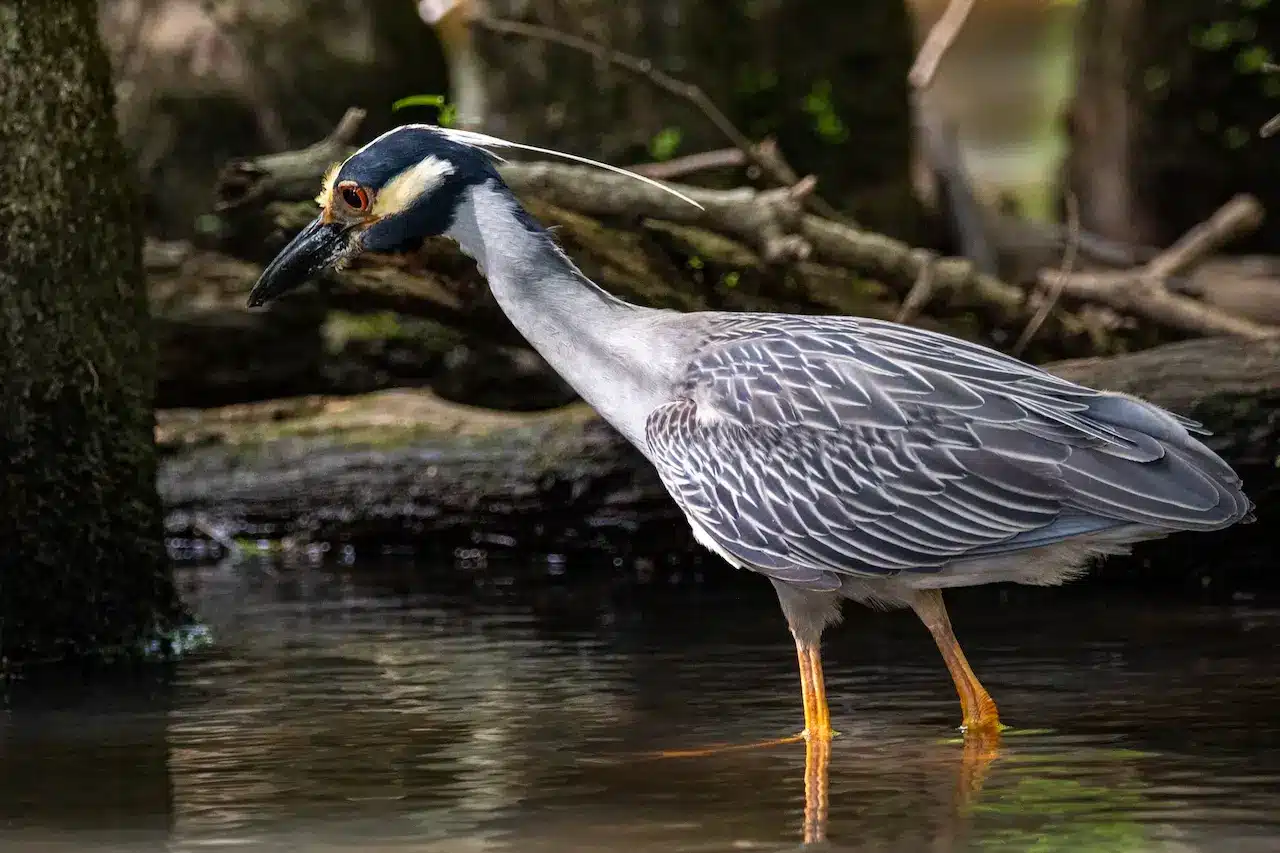
The Squacco Heron (Ardeola alloides) brings an elegant quietness to the wetlands in Europe, the Middle East and Africa. This heron’s stocky build, buff brown plumage and white wings when flying make it a fascinating bird for both nature lovers and bird watchers. The Squacco Heron is a fascinating species because it migrates and breeds on different continents. It also offers an interesting look at avian behaviour and adaptation. This article will explore the Squacco Heron’s habitat, appearance and migration patterns. We will also discuss its breeding behaviour, conservation status, diet and eating habits.
What is a Squacco Heron (Squacco Heron)?
The Squacco Heron is a small species of heron that belongs to the Ardeidae family. The Squacco Heron has a short neck and a size between 40 and 49 centimetres with a wingspan between 82 and 95 centimetres. This makes it stand out from other herons that have a longer and more graceful silhouette. The bird is a striking sight, despite its small size. Its plumage is unique, and its behaviour is distinctive, particularly during breeding season, when the neck feathers are long.
Where do Squacco Herons live?
Squacco Herons can be found in southern Europe, as well as parts of the Middle East. They live in wetlands, rivers, shallow lakes and reedbeds. The wetland habitats are perfect for breeding, feeding and shelter. The Squacco Heron migrates long distances during the non-breeding season to avoid the harsher winters in its breeding range. It is rare, but it can be seen as a vagrant in the north. This offers bird watchers a unique opportunity.



Migration: A Seasonal Experience
Migration is a major factor in the Squacco Heron’s life cycle. These birds migrate southward as the breeding season in southern Europe and the Middle East ends. They spend the winters in Africa, where the climate and food are more suitable. This migration pattern is important for the survival of these birds during harsh winters, but it also has an ecological impact on multiple continents.
How to identify a Squacco heron
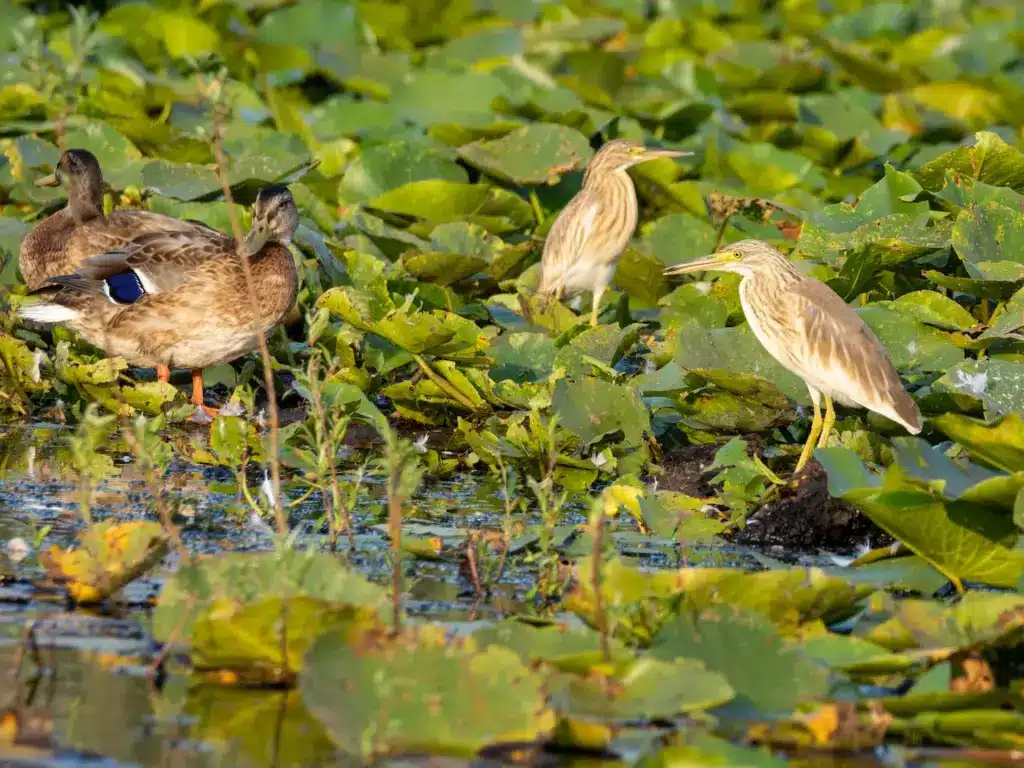
At first glance, the Squacco Heron’s appearance might seem simple. Its back and body are buff brown, and it blends into its surroundings. Once in flight, the Squacco Heron transforms into an amazing visual spectacle. The Squacco Heron’s wings are stark white and create a striking contrast to its earthy colours. The bird’s transformation is stunning and makes it a delight to watch in flight. Both males and females grow elegant, long neck feathers during the breeding period. This gives them a regal look that is easily distinguished from their non-breeding appearance.
Nesting and breeding habits
Breeding occurs in warm marshy habitats, usually during the spring and early summer. Squacco Herons nest in small colonies and are often accompanied by other wading bird species like egrets or other heron species. They build their nests in shrubs, trees or reedbeds near water. The typical clutch is 3 to 4 pale eggs incubated by the parents. Their breeding colonies are communal, which offers them protection from predators. They also allow for shared vigilance and improve the survival chances for their offspring.
What do Squacco Herons eat?
Squacco Herons are opportunistic feeders and thrive in habitats rich with biodiversity. They eat mainly insects and amphibians. They can catch prey quickly in shallow water and among reeds with their short, thick bills. They hunt in a patient, stealthy manner. They stand still or move slowly among the vegetation for long periods of time until they strike. They are fascinating to watch in their natural habitat because of this quiet, calculated method of hunting.
Squacco Heron Behavioural Characteristics
Squacco Herons, unlike many other birds that are loud or noisily display their presence, are relatively quiet and secretive. They like to hide among the reeds or aquatic vegetation and only show themselves during the breeding season or when they take flight. They are more difficult to see than other wading bird species, which adds an extra element of excitement for birdwatchers. Outside of breeding season, they are usually solitary. However, when nesting or feeding with other herons or egrets, they tolerate being in proximity. According to Audubon Society, this species is well documented.
Conservation Status of the Squacco Heron: Is it at Risk?
The IUCN Red List currently lists the Squacco Heron as a Least Concern species, which is encouraging. The bird is still susceptible to habitat loss. This includes the destruction of wetlands caused by human development, agricultural expansion, and pollution. Squacco Heron population health is closely linked to the health and diversity of their wetland habitats. The conservation efforts focusing onWetland Preservation and Restoration are essential for not only this species but also for countless amphibians and other aquatic life forms that rely on these environments. According to eBird, this species is well documented.
The role of Squacco Herons within Wetland Ecosystems
Squacco Herons play an important ecological role in the wetland ecosystems that they inhabit. They help maintain a healthy food web by controlling the populations of small fish and amphibians. They are often an indicator of wetland quality as they depend on clean, undisturbed waters to feed and nest. The Squacco Heron is a good indicator of the goal to conserve biodiversity across Europe, the Middle East and Africa.
Spotting a Squacco heron: Tips for bird watchers
If you are interested in photographing or spotting Squacco Herons in their natural habitat, it is best to do so during the migration season and/or breeding period. The best time to view Squacco Herons is in the early morning or late afternoon when there is a lot of feeding activity and the light is soft. You can find them near reedbeds, shallow marshes or still bodies of water, where they may be quietly perched or stalking their prey. It is important to be patient, as these birds are well camouflaged. They tend to avoid areas that are open unless they’re disturbed or take flight.
Cultural and historical significance
The Squacco Heron is not as well-known in literature or folklore as other herons, but it has ecological significance where wetland birds are a focal point of conservation and tourism. Wetland bird species like the Squacco heron are regarded as signs of healthy nature and biodiversity in some Mediterranean cultures. Squacco Herons are becoming more popular as interest in eco-tourism and bird watching grows.
Climate Change and the Squacco Heron
Climate change is a growing threat to many migratory bird species, including the Squacco Heron. The loss of freshwater marshes due to droughts and changes in rainfall patterns can have a severe impact on their breeding and feeding grounds. A change in migration cues can also affect the timing of their movements, which could lead to mismatches with food availability. In order to protect the Squacco Heron, wetland conservation plans must address climate resilience across its migration range.
Working Toward Conservation
In Europe, the Middle East and Africa, several organisations and initiatives are working to conserve and monitor wetland birds. This includes the Squacco Heron. These habitats can be preserved by programs that focus on restoration of wetlands, pollution control and community engagement. BirdLife International and Wetlands International are active in promoting awareness and conducting scientific studies. This allows for more data-driven conservation.
The Squacco heron deserves more attention
The Squacco Heron deserves more attention, despite its small size and calm demeanour. The Squacco Heron’s importance is attributed to its role in the ecosystem as well as its beautiful, yet subtle, plumage and fascinating migration story. Squacco Herons can be a warning to humans that wetlands are under increasing pressure.
Last Thoughts:
It may not be one of the more flamboyant birds, but the Squacco Heron is one of the most fascinating and ecologically important. The Squacco Heron’s annual migration from Europe, the Middle East, and Africa to Africa, as well as its secretive hunting techniques, make it an interesting bird. We can help preserve wildlife by learning more about the elusive heron and supporting the conservation of wetlands.