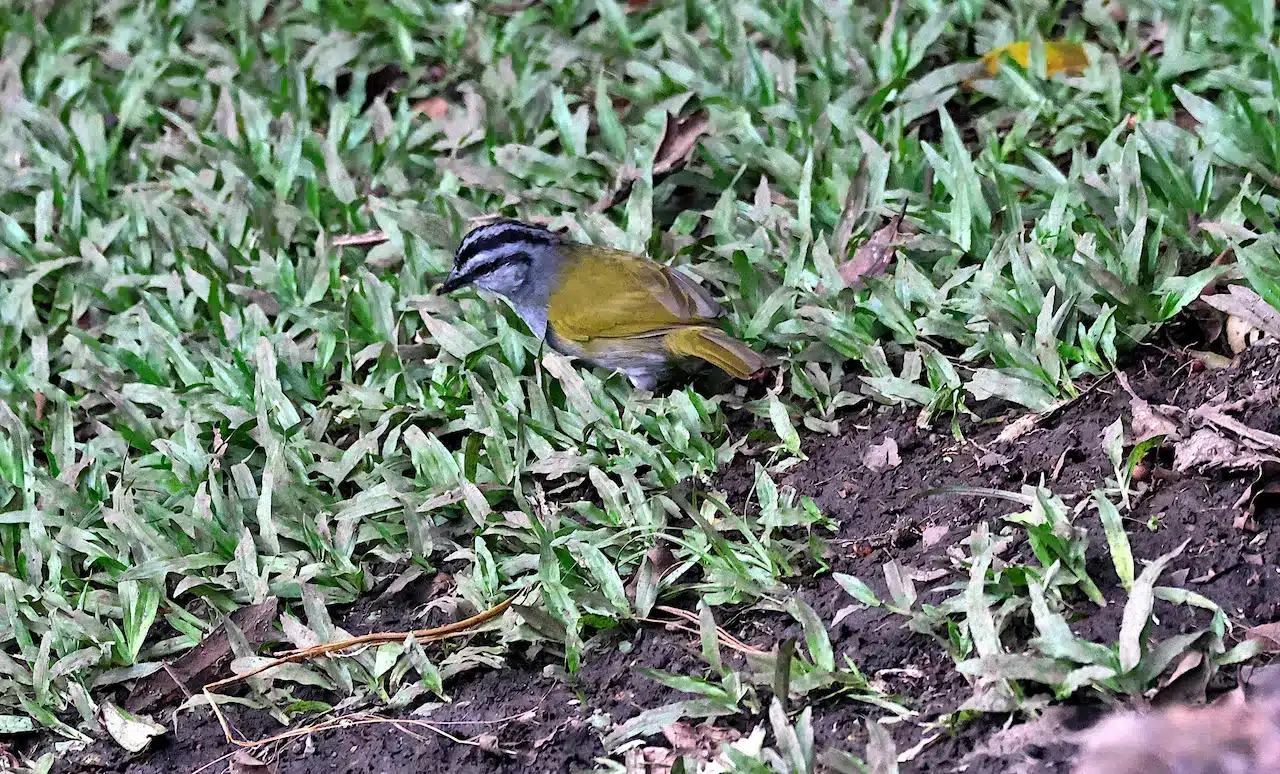
The **Chalk-browed Mockingbird** (Mimus saturninus) is a striking and vocal member of the mockingbird family, widely recognized throughout much of South America. Known for its distinctive white supercilium or “chalky brow,” this bird is a common inhabitant of diverse landscapes including woodlands, savannas, and urban areas. Its adaptability to human-altered environments and varied diet make it an intriguing subject for birdwatchers and nature enthusiasts alike. This article explores the biology, behavior, and ecology of the Chalk-browed Mockingbird, providing an in-depth look at one of South America’s most charismatic avian residents.
Scientific Classification
The Chalk-browed Mockingbird belongs to the family **Mimidae**, which includes other well-known mimics such as thrashers and catbirds. Its scientific name is Mimus saturninus. The genus *Mimus* encompasses a group of birds known for their remarkable vocal abilities and varied repertoire of songs and calls. The species was first described by the French ornithologist Louis Vieillot in 1819.
Within the family Mimidae, *Mimus saturninus* is closely related to other South American mockingbirds like the White-banded Mockingbird (*Mimus triurus*) and the Tropical Mockingbird (*Mimus gilvus*). Members of this genus share several physical and behavioral traits, including strong vocal mimicry, territoriality, and omnivorous feeding habits. The Chalk-browed Mockingbird is considered monotypic, meaning it has no recognized subspecies, although some regional variation in plumage intensity and size has been observed.






Geographic Range & Distribution
The **Chalk-browed Mockingbird** is widely distributed across eastern and central South America. It inhabits most of Brazil, extending from the Amazon Basin southwards through the Cerrado and the Atlantic Forest regions. Its range also includes parts of Bolivia, Paraguay, Uruguay, northern Argentina, and even reaches Suriname in the northeast of the continent. This broad distribution reflects the species’ adaptability to different habitats and climates.
In Brazil, it is particularly common in the southeastern states such as São Paulo, Rio de Janeiro, and Minas Gerais, often thriving in both rural and urban settings. It favors open woodlands, scrublands, savannas, and even gardens and parks within cities. The species tends to avoid dense rainforests and very arid areas, preferring habitats where trees and open ground coexist, allowing for its characteristic foraging behavior.
Seasonal movements are not well-documented, but the Chalk-browed Mockingbird is generally considered resident throughout its range. Some populations may exhibit local dispersal in response to food availability or breeding opportunities, but no long-distance migration is known.
Physical Description
The **Chalk-browed Mockingbird** is a medium-sized bird, measuring approximately 24 to 26 centimeters (9.4 to 10.2 inches) in length, with a wingspan of around 30 to 34 centimeters (11.8 to 13.4 inches). It weighs between 60 and 85 grams (2.1 to 3 ounces), making it relatively lightweight and agile. Its most distinctive feature is the broad, white supercilium that runs from the base of the bill above the eye, giving the “chalk-browed” appearance from which it derives its common name.
The bird’s plumage is predominantly grayish-brown on the upperparts, with paler underparts that range from off-white to light gray. Its wings exhibit two prominent white wing bars, visible in flight and during active foraging. The tail is long and dark with white outer edges, which are often displayed in territorial or courtship behaviors. The bill is slender, slightly curved, and blackish, adapted for a variety of feeding strategies.
Juvenile Chalk-browed Mockingbirds resemble adults but have duller coloration and less distinct markings. The eyes are dark brown, and legs are grayish, providing good camouflage against the earthy tones of their habitats.
Behavior & Diet
The **Chalk-browed Mockingbird** is known for its highly vocal and territorial behavior. It is an accomplished mimic, capable of reproducing the calls and songs of other bird species, as well as environmental sounds. These vocalizations serve multiple functions, including defending territory, attracting mates, and communicating with family members. Males are particularly vocal during the breeding season, often engaging in long and varied song bouts from exposed perches.
When it comes to foraging, the Chalk-browed Mockingbird is omnivorous and opportunistic. Its diet consists mainly of insects such as beetles, ants, grasshoppers, and caterpillars, which it gleans from the ground or foliage. It also consumes fruits, berries, and small vertebrates like lizards and occasionally small amphibians. This dietary flexibility allows the species to thrive in a variety of habitats, including human-modified landscapes.
These birds are typically seen foraging on the ground or in low shrubs, often hopping or walking with a distinctive, deliberate motion. Their sharp eyesight and agile movements help them catch prey and locate fallen fruits. Chalk-browed Mockingbirds may also follow army ant swarms or other disturbances that flush out insects, a behavior common among many insectivorous birds.
Breeding & Reproduction
The breeding season of the **Chalk-browed Mockingbird** generally coincides with the warmer and wetter months, which vary slightly depending on geographic location but typically occur from September to February in much of its range. During this time, males establish and vigorously defend territories, singing loudly to deter rivals and attract females. According to Audubon Society, this species is well documented.
Nests are usually built in dense shrubs or low trees, constructed from twigs, grasses, and other plant materials. The typical clutch size ranges from two to four eggs, which are pale with speckled markings that provide camouflage against predators. Both parents participate in incubating the eggs, which hatch after approximately 12 to 14 days. According to BirdLife International, this species is well documented.
Chalk-browed Mockingbird chicks are altricial, meaning they hatch naked and helpless, relying entirely on parental care for warmth and feeding. The fledging period lasts about two to three weeks, during which time the parents diligently feed the young a diet rich in insects to support rapid growth. Juveniles remain in the parental territory for some time after fledging, learning vital survival skills such as foraging and vocal communication.
Conservation Status
The **Chalk-browed Mockingbird** is currently classified as **Least Concern** by the International Union for Conservation of Nature (IUCN). This status reflects its wide distribution, stable population trends, and adaptability to various habitats, including urban environments. Unlike many other bird species, it appears relatively resilient to habitat disturbance and fragmentation.
Nonetheless, ongoing habitat destruction in parts of South America, particularly due to deforestation and agricultural expansion, could pose future threats. Urbanization, while often detrimental to many species, has not significantly impacted the Chalk-browed Mockingbird, which often thrives in gardens and parks. Conservation efforts focused on preserving native vegetation and preventing excessive pesticide use will benefit this species and the broader ecosystem.
Interesting Facts
The **Chalk-browed Mockingbird** is a fascinating species for several reasons. One of its most remarkable traits is its vocal mimicry. These birds not only imitate other bird species but can also replicate mechanical noises such as car alarms, human whistles, and even the calls of mammals like monkeys. This ability enhances their communication repertoire and may help them adapt to changing environments.
Another interesting behavior is their territorial aggression. Chalk-browed Mockingbirds fiercely defend their nesting sites, sometimes chasing off much larger birds and mammals. They have been observed mobbing predators such as snakes and raptors to protect their young.
In urban environments, these mockingbirds have shown remarkable adaptability, often nesting close to human dwellings and utilizing artificial structures. Their boldness and curiosity make them a favorite among bird photographers and backyard birdwatchers.
Finally, their role in the ecosystem is valuable as both predator and seed disperser. By feeding on insects, they help control pest populations, while their consumption of fruits aids in the dispersal of seeds, contributing to plant regeneration and diversity.
Overall, the Chalk-browed Mockingbird is a resilient, adaptable, and charismatic species that enriches the biodiversity of South America’s varied landscapes.
Conclusion
The **Chalk-browed Mockingbird** (Mimus saturninus) stands out as a vibrant and adaptable bird of South America, known for its distinctive white eyebrow, melodious and varied song, and versatile diet. Its widespread presence across multiple countries and habitats—from natural forests to bustling urban centers—highlights its remarkable ecological flexibility. Understanding its taxonomy, behavior, and conservation status provides insight into the complex interplay between wildlife and human-influenced environments.
For birdwatchers and nature lovers, encountering this mockingbird offers a glimpse into the rich avian diversity of the continent and underscores the importance of preserving habitats that support such adaptable species. The Chalk-browed Mockingbird continues to inspire curiosity and admiration, making it a beloved subject in the study of Neotropical birds and a symbol of resilience in a changing world.