
inverts
-
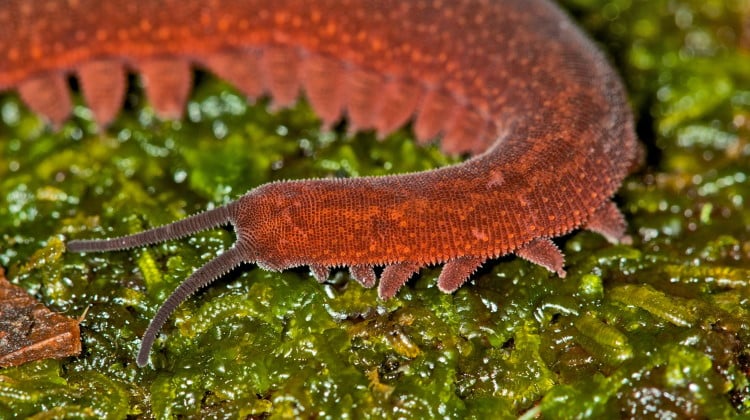
Onychophora: Phylum of The Velvet Worm or Peripatus
Etymology: From the Greek Onychos for claws, and Phoros for bearer. Characteristics of the Onychophora: Bilaterally symmetrical and vermiform. Body has more than two…
Read More » -
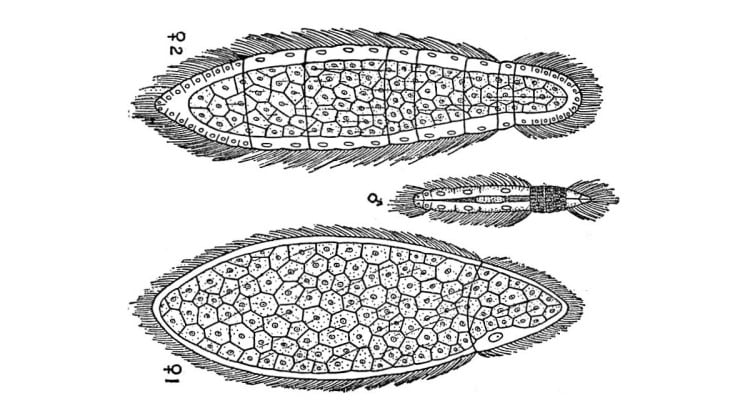
Phylum Mesozoa: The Tiny Parasites – Orthonectida & Rhombozoa
The organisms once grouped under the obsolete taxon Mesozoa represent a fascinating chapter in the study of simple parasitic marine…
Read More » -
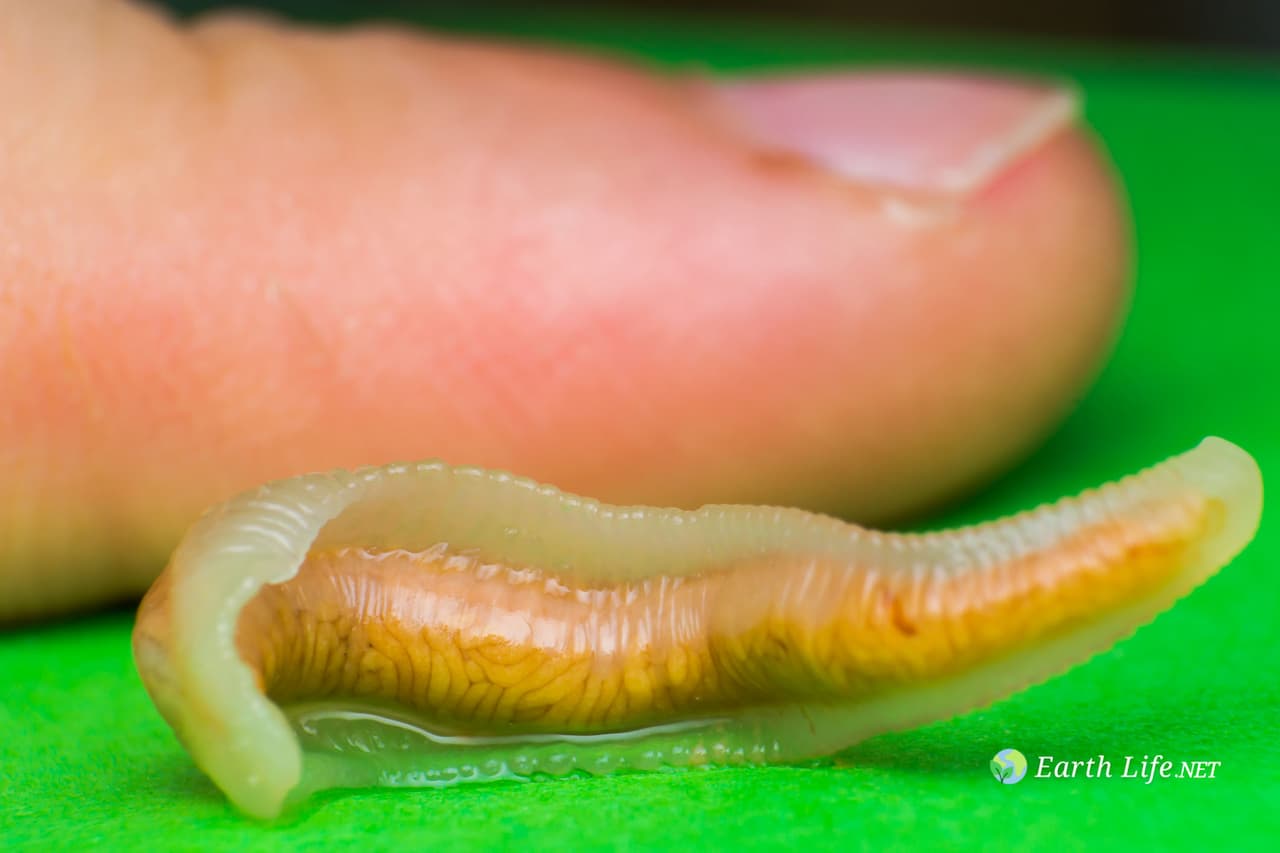
Pentastomida (The Tongue Worm Parasites)
Pentastomida, commonly known as the tongue worms, represent a fascinating and unusual group of parasitic crustaceans. Their name derives from…
Read More » -
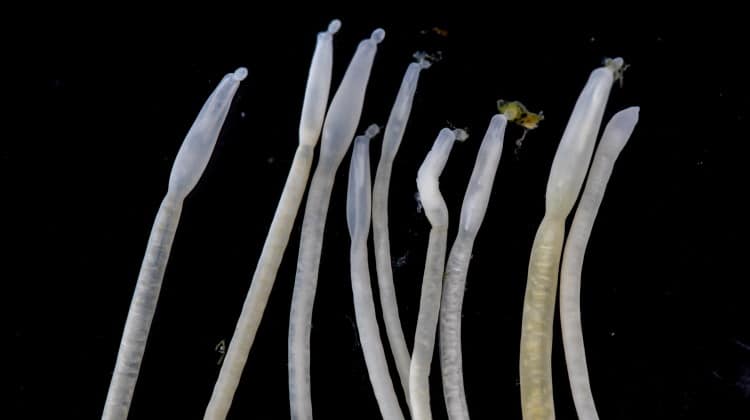
Phylum Acanthocephala (Spiny Headed Worms)
Acanthocephala Etymology: From the Greek Acantha a prickle, and Kephale a head. Acanthocephala Species Count:- There are currently (April 18 2021) 1,330 species…
Read More » -

Phylum Chaetognatha (The Arrow Worms)
Chaetognatha Etymology: From the Greek Chaite for long hair, and gnathos for jaw. Chaetognatha Species Count: According to the online database The Catalogue…
Read More » -
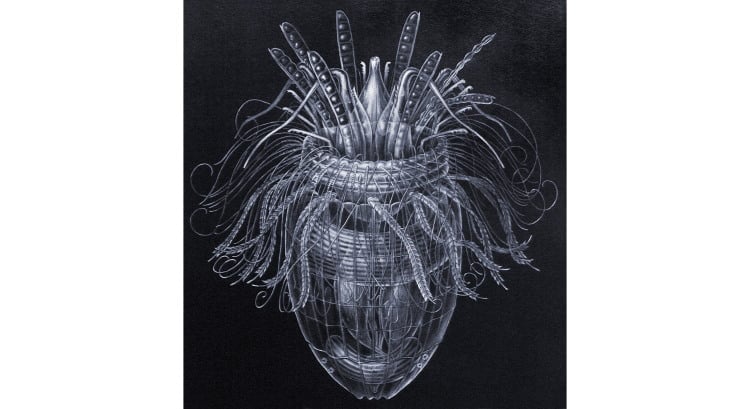
Class Loricifera (The Brush Heads)
Etymology: From the Latin Loricus for girdle or Lorica a corselet, and Ferre to bear. Hence “an animal with a girdle or corselet”. For…
Read More » -
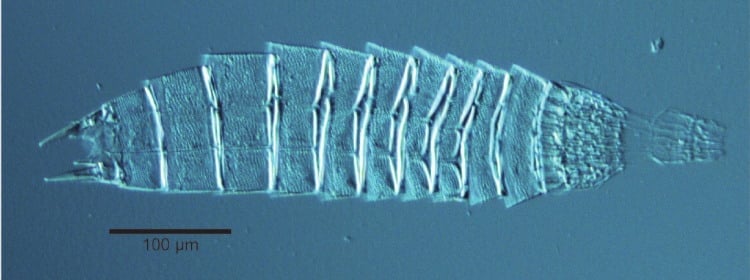
Class Kinorhyncha (The Spiny-Crown Worms)
The class Kinorhyncha, commonly known as the spiny-crown worms, represents a fascinating group of tiny marine invertebrates that inhabit the…
Read More » -
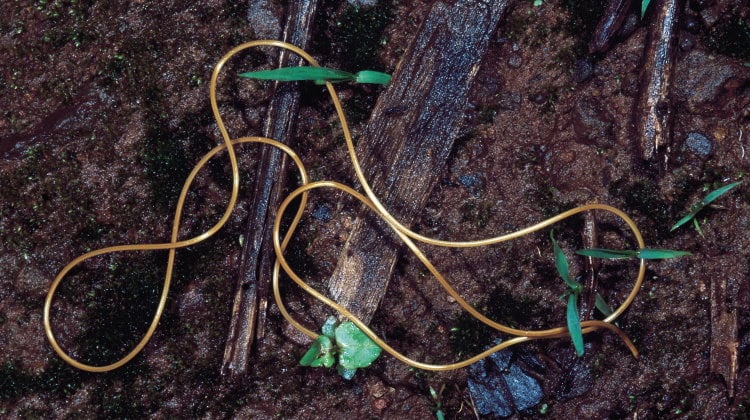
Phylum Nematomorpha (The Horsehair Worms)
Nematomorpha Etymology: From the Greek Nema for Thread, and Morphe for shape or form. Nematomorphan Species Count:- There are currently 361 species of…
Read More » -
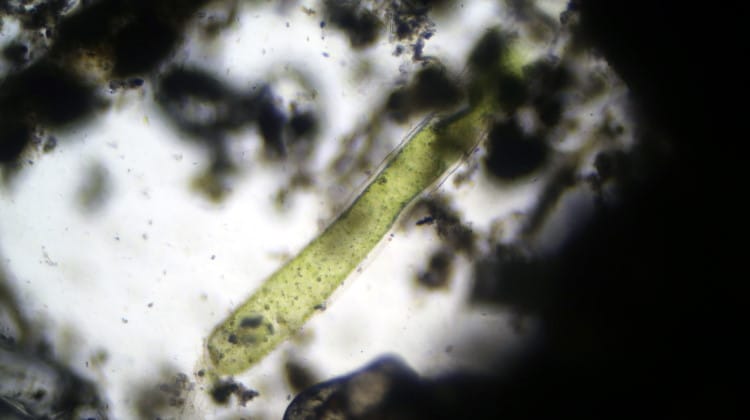
Phylum Gastrotricha (The Gastrotrichs)
Phylum Gastrotricha, commonly known as the gastrotrichs, represents a fascinating group of microscopic aquatic invertebrates that play a subtle yet…
Read More » -
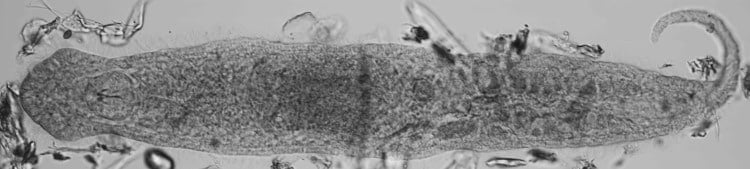
Phylum Gnathostomulida (The Sand Worms or Jaw Worms)
The phylum Gnathostomulida, commonly known as **sand worms** or **jaw worms**, represents a fascinating yet little-known group of tiny marine…
Read More »